


KNOW YOUR PLACE
Five field-tested strategies to avoid getting lost while hunting—and a game plan if you do lose your way
Advertisement
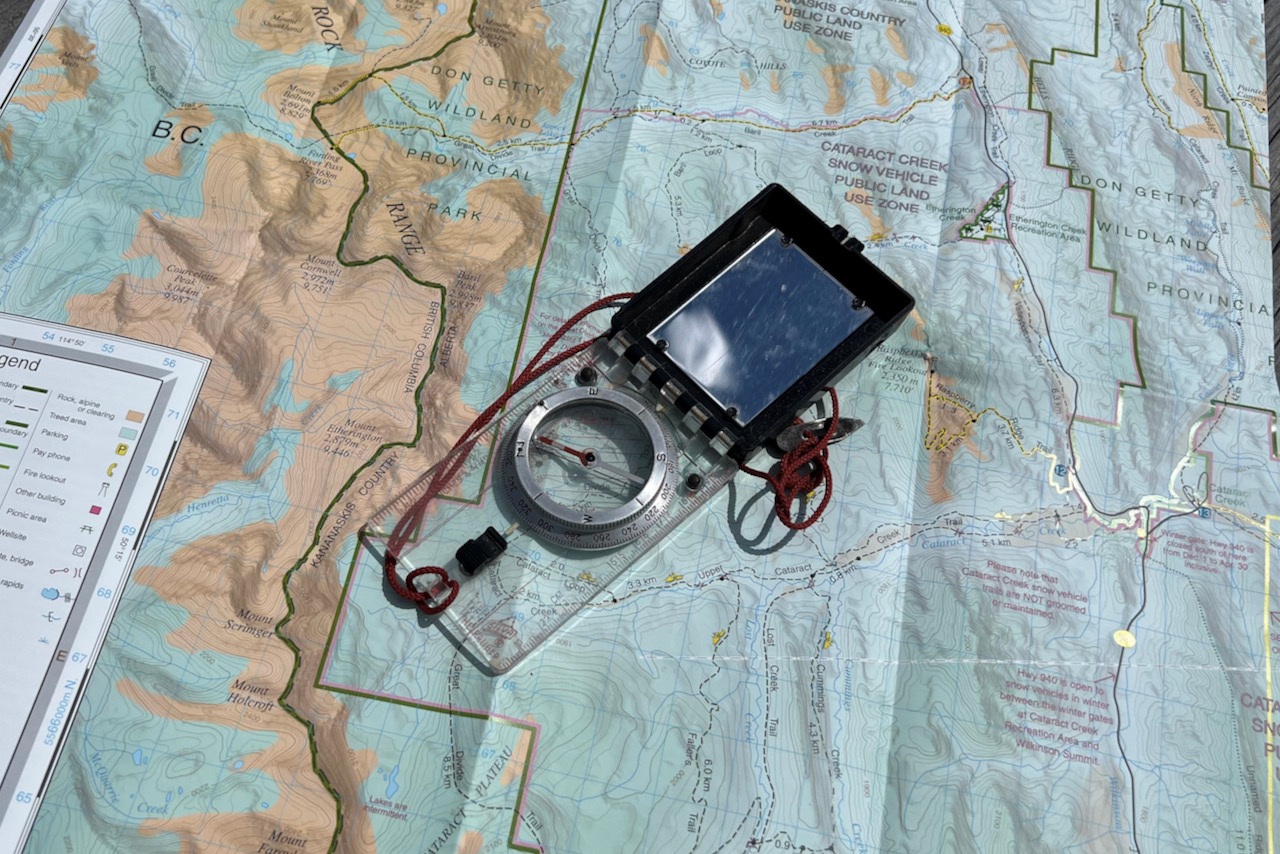 A compass and topo map can get you to safety
#4 GO OLD SCHOOL
I’ve been using GPS units and a variety of navigation apps that use the same technology for more than 30 years, but I still maintain my old-school skills of reading paper topo maps and using a compass. Technology is helpful, but it can be rendered instantly useless if you run out of battery power or have a system failure. It’s pretty rare I head afield without a paper map in my pack, and I’m never without a compass. No matter how lost you think you are, knowing how to use those two items can get you to safety—the map indicates where roads or trails are, and the compass determines your direction. It’s that simple.
I often hunt whitetails and mule deer in an area that’s bisected with myriad cutlines, none of which run in a consistent direction. Of all the places I’ve hunted, it’s the easiest to get turned around in, especially if you’ve been focusing on finding sign for several hours. There is, however, a well-maintained trail to the north where I always park. All I have to do is pull out my compass and head straight north, knowing I’ll eventually end up on that trail.
Advertisement
#5 DON’T PANIC
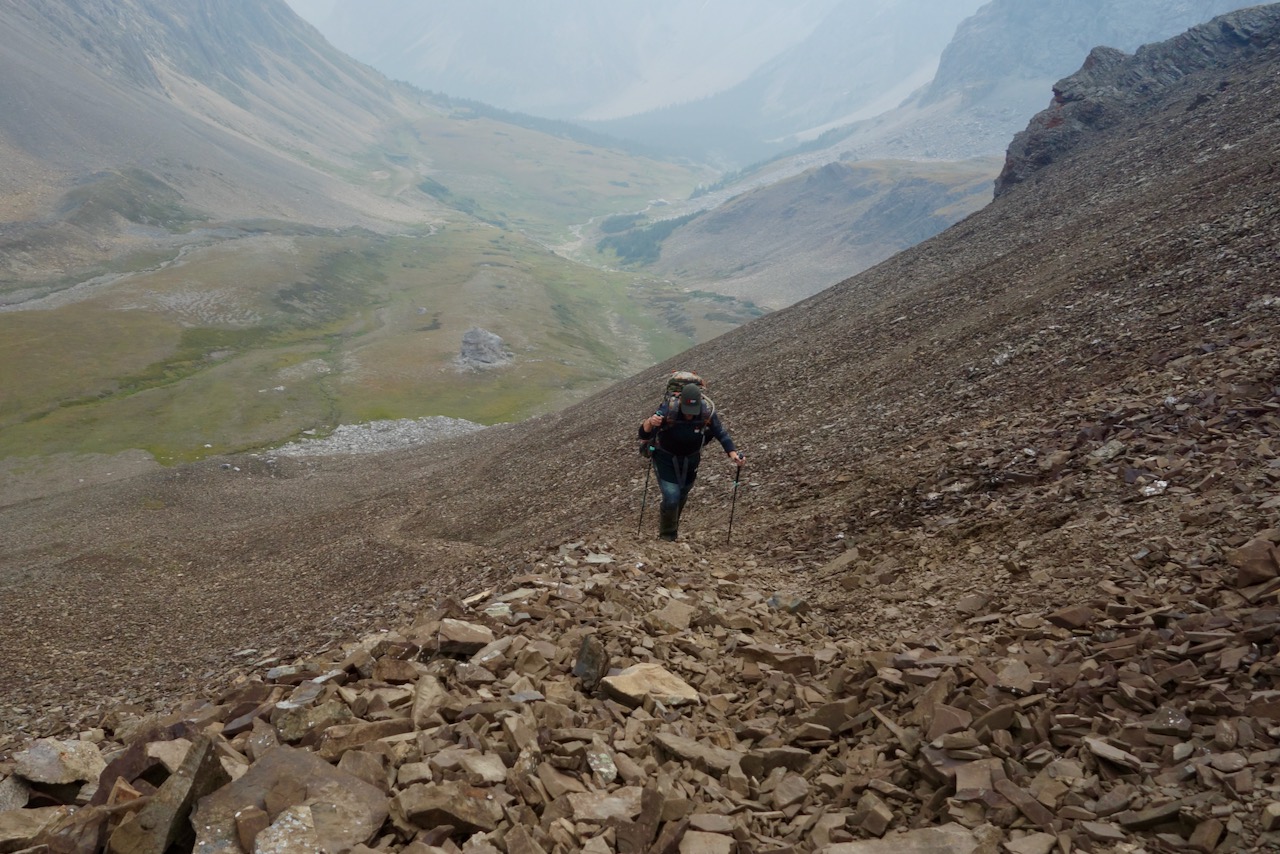
Becoming hopelessly lost is pretty hard to do, especially considering the relatively short distances most people actually travel in the woods or mountains. Rarely is safety more than a few kilometres away. What is easy, however, is to convince yourself you’re hopelessly lost and begin to panic.
Most commonly, people become disoriented, rather than truly lost. If you remain calm and have the tools, however it’s fairly easy to reorient yourself, figure out where you are and get yourself to safety. Even during my cold night in the moose woods, for example, I wasn’t truly lost. I had the ability to backtrack, but I was terribly ill-prepared. Had I followed the same practices I do now, I likely could have made it out without spending a frigid night in the wilds.
If you do become disoriented, stop where you are as long as it’s safe to do so, and gather your wits before doing anything else. Assess the situation. How long have you been hiking? Have you crossed any trails or roads? Are your electronic navigational aids working? What time is it? Answering those questions can help you make the right decisions to find your way home.
Advertisement
There’s a difference between being lost hundreds of kilometres from civilization and being just 10 kilometres away. If you walked to where you are in a single day, you can get to safety just as quickly. If there’s time to reach safety before darkness sets in, that’s likely your best option. If there isn’t and you’re equipped to spend a night out, that’s often the right plan. The type of terrain you are in will dictate that. It’s a big commitment to make when you’re already stressed, but you need to consider what’s best and safest.
Remember, backtracking may not be the best route out, but if you are following a trail back on a GPS unit, it’s likely the safest. If you’re forced to rely on old-school methods, it’s often best to find the nearest trail or road, since that requires fewer navigational skills. Check your map, and if there’s a road in one particular direction with no major obstructions in the way, such as mountains or rivers, then simply head that way. And once you reach a road, it’s then typically easy to return to your camp or vehicle. At the very least, the likelihood of encountering help increases significantly.
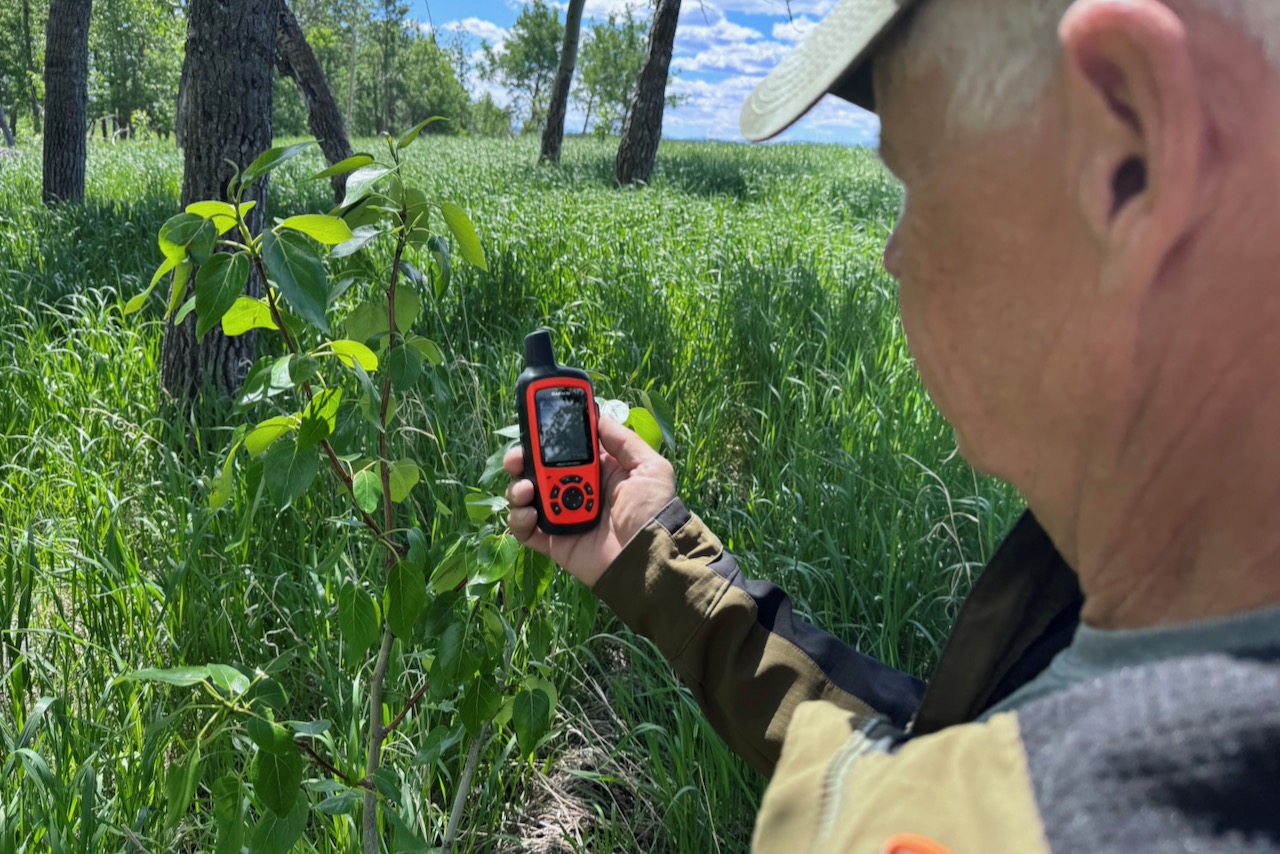 A GPS unit can be essential
BONUS TIP: SURVIVAL GEAR
I couldn’t imagine heading out for a day in the woods without a daypack and the bare essentials for survival, including a first-aid kit, knife, compass, fire starter and paper map of the area, along with water and protein bars, and warm clothing. I also bring along a handheld GPS unit and a smartphone with navigation apps.
Some of the best smartphone apps I’ve used, which show trails and roads in much more detail than straight GPS units, include AllTrails, iHunter and Gaia GPS. You may also want to carry an emergency communication device, such as an InReach; it allows you to text existing contacts, get weather updates and sync with your smartphone. And in case of emergency, it also features an SOS button to mobilize the appropriate authorities.