


LAST-CHANCE BRUINS
Embrace the chill and challenge of fall’s final opportunities to hunt trophy black bears
Advertisement
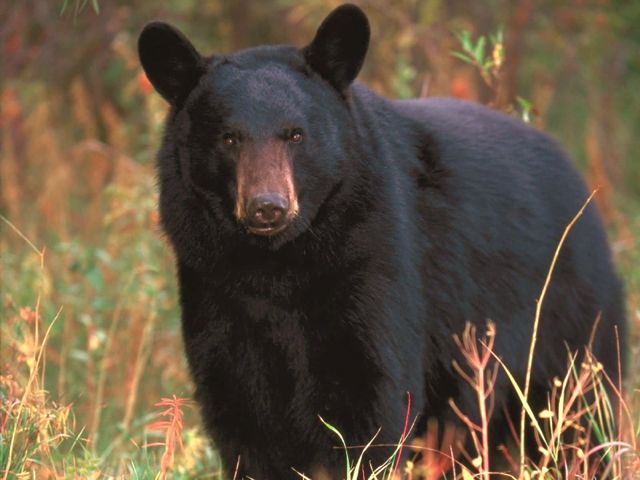 Understanding bear biology is key to late-fall success
Late-season bear hunting offers rewards both tangible and spiritual. The meat is prized for its richness, flavoured by countless feeds on acorns and berries, and laden with fat reserves, which yield excellent roasts and sausages. And the hide, thick and glossy, is a testament to the animal’s preparation for winter. Hunters cherish the hours of reflection spent amid silent forests, and the camaraderie forged around campfires. The finality of the season’s end is a rite of passage, and a time of gratitude for the bounty at hand.
The final frosty weeks of the season are also a test of persistence and endurance. As the adage goes, the hardest thing to do in hunting is getting a trophy black bear to appear during legal light. But for those who can think less like a modern creature of comfort and more like a primitive hunter-gatherer, success can be assured. And it all starts with understanding the biological changes bears go through in the fall.
Advertisement
FALL BEARS IN CANADA
Canada boasts more than a half-million black bears, with thriving populations stretching from the rugged B.C. coast to the boreal forests of Newfoundland and Labrador. Each province has its own unique terrain and, as a result, its own approach to bear hunting. All provinces except Saskatchewan and Manitoba offer hunts well into November, and in some cases into December. P.E.I does not have a black bear population.
B.C.
Known for its dense rainforests, mountainous terrain and abundant salmon streams, B.C. offers world-class black bear hunting, with seasons extending into late November in some regions.
Advertisement
PRAIRIE PROVINCES
While less forested than B.C., central Alberta, Saskatchewan and Manitoba boast healthy bear populations. The late season here is marked by bears foraging in grain fields and wooded draws.
ONTARIO & QUEBEC
Vast dense forests dotted with lakes, along with a mix of agricultural land, provide ideal late-fall bear habitat. Bears here can gorge on leftover crops, as well as wild apples and nuts, while hunters can benefit from the long sightlines after the leaves fall.
ATLANTIC CANADA
Nova Scotia and Newfoundland and Labrador feature remote wilderness and old-growth forests, where bears target blueberry barrens and boggy lowlands in the final weeks before hibernation. As a bonus, the abundant moose population gives bears an occasional windfall due to vehicle-related injuries or death.