

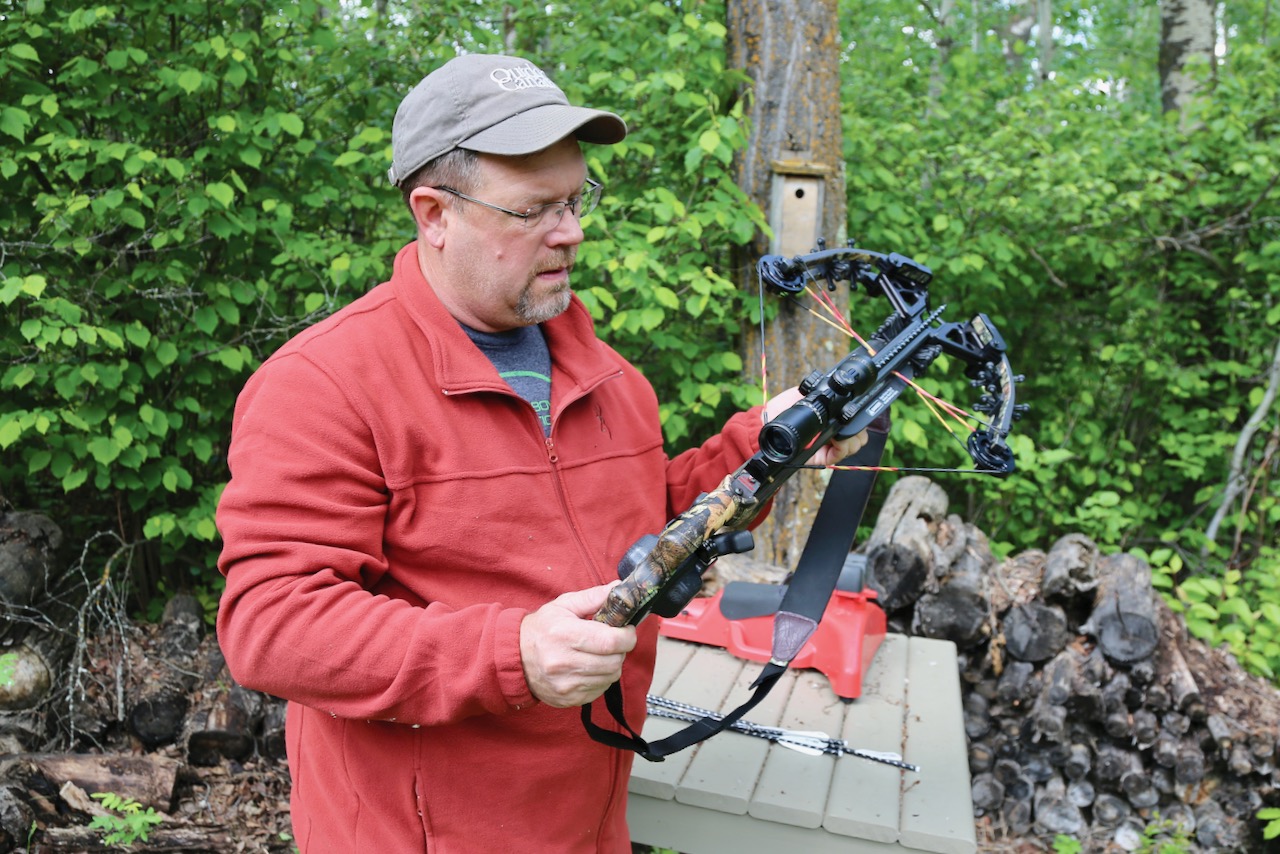

TUNE-UP TIME
Advertisement
#2 STRING AND CABLES
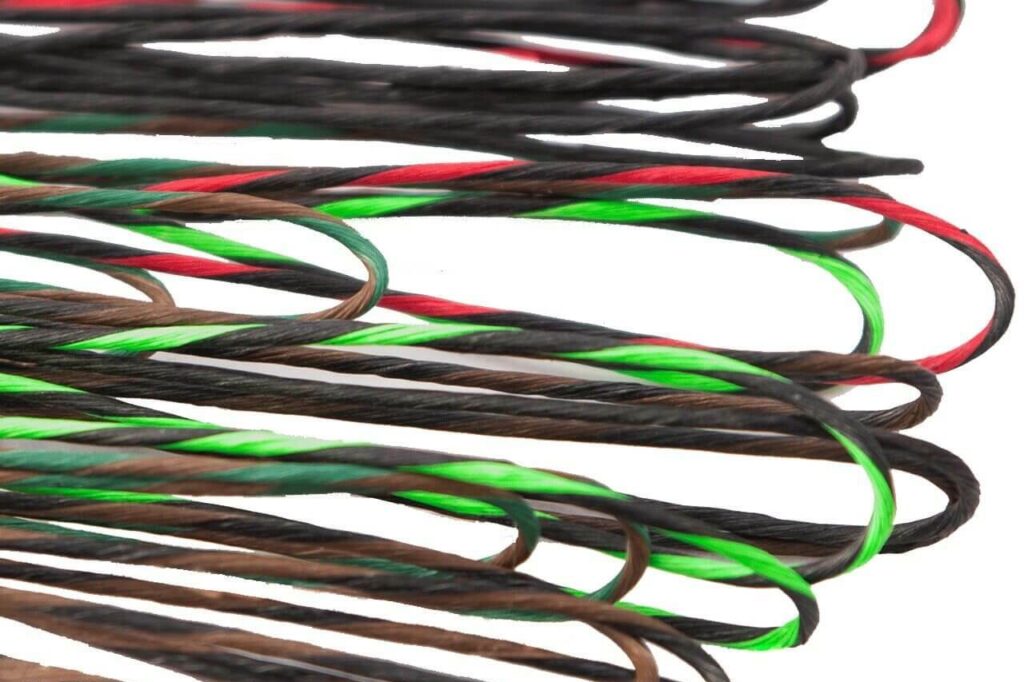
The string and cables require the most attention. A modern, high-performance crossbow produces extensive torque and tension, so string wear will occur if the bow is not correctly tuned, or a cam is not rotating correctly. Even a slight wobble can quickly cause string wear—a broken string will not only cause a dry fire, it can also be dangerous to the shooter.
Advertisement
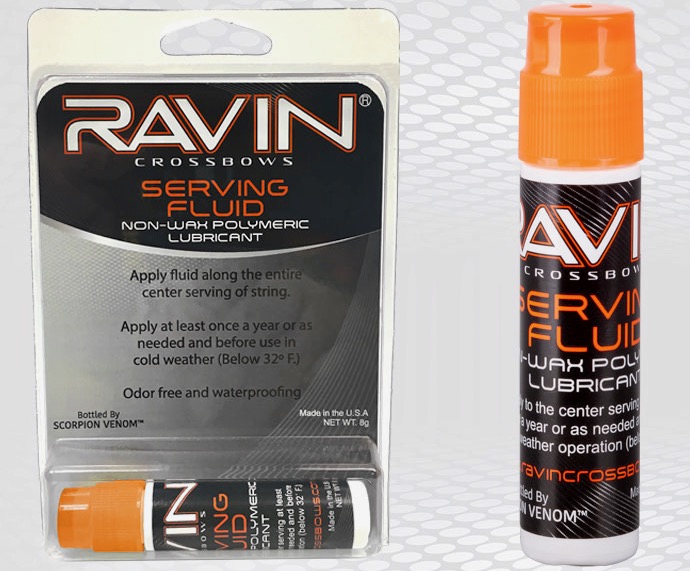
To avoid such problems, it’s important to regularly wax the string and cables. This will extend the string’s life by making it weather-resistant, controlling fraying and reducing friction. Wax will also prevent the string from drying up and possibly shrinking. Just be sure to use proper bowstring wax or lubricant, such as Scorpion Venom Polymeric Bowstring Lubricant. Apply the wax or lubricant onto the entire length of the string and cables, working it in with your fingertips or a soft piece of leather (the rubbing creates friction to better adhere the wax to the string and cables).
When considering a new crossbow, consider the manufacturer’s recommendations for maintenance and when to replace the string, which can range from 200 to 1,200 shots. Some manufacturers, meanwhile, recommend changing the string every two years or less. Regardless, a well-maintained string lasts longer.
Advertisement
#3 SERVING
Do not wax the serving, as the wax can build up and hamper the trigger assembly. Instead, use specialized liquid lubricant on the serving and the flight rail. If the rail looks or feels dry, it will create friction and reduce the life of the serving. A worn and heated serving that has run down a dry rail will change colour and appear scorched.
Ensuring the rail is constantly lubricated will also increase the consistency and accuracy of the crossbow. Apply a couple of drops on the rail and spread it along the entire length with your fingertip. Only apply manufacturer-recommended or oil-based lubricants, and always check for debris stuck to the lubricant, which will prevent the arrow from sitting level on the rail. Avoid lubricating the area beyond the arrow rail to prevent gumming up the trigger box.