

FLY FLUBS
9 great ways to make sure you stay a mediocre fly angler
Advertisement
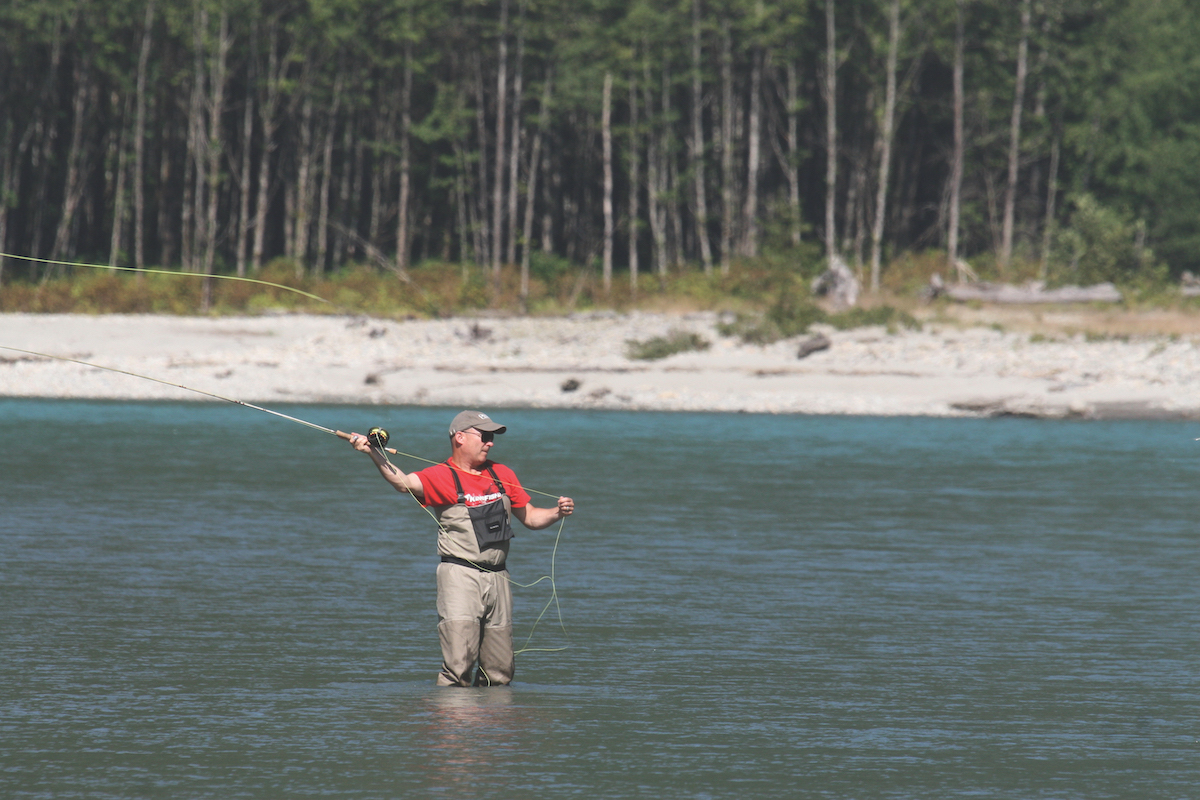 Shorter casts are usually more effective than long ones
#4 Always make the longest cast possible
On several occasions, I’ve fished with fly casters of astonishing skill, capable of effortlessly zinging out 70-foot casts. At first, I was in awe, until I noticed they didn’t any catch more fish that the rest of us. In fact, they caught fewer. Long, elegant casts look very cool, especially when filmed in front of a sunset or some mountains. But when long casts hit the water, problems ensue. All that line is hard to control, leading to sloppy drifts. Strikes are harder to detect, too, and hooksets are weaker. It also takes ages to reset and cast again, and there’s a higher likelihood of encountering snags and tangles as you do. Looking for chances to cast long also leads you to overlook closer productive water.
There are a handful of scenarios where long casts help, such as reaching distant fish in still water. In reality, though, most freshwater fly-fishing situations benefit from the shortest, most controlled casts you can make. This links back to studying the water for a minute, and planning your approach. You may have the skill to put a 60-footer under that overhanging branch, but once the fly lands, you can’t fish it very well. Instead, figure out how to get 30 feet closer—or just move to the next spot.
Advertisement
#5 Live in terror of the wind
Wind makes fly casting harder, but do you really want to stay home on an otherwise beautiful day? There are also great fly-fishing waters where, if you wait for a calm day, you’ll never take your rod out of the case. Once you’ve got the fly-fishing basics down, there are ways to adapt to high winds. You can focus on areas protected by natural windbreaks, for example. Or you can position yourself so the wind is at your back, or blowing on your non-casting side, pushing the line (and hook) away from you.
Working on your casting also pays off on windy days. You might try casting sidearm, keeping the line low where it’s less affected by wind. Or use the double-haul casting technique to increase your line sped, so it cuts through the wind. A final bonus is that braving the wind gives you more room to fish, since other anglers will be cowering at home.
#6 Fuss around with complicated leaders
All fly-fishing advice published since the 1950s says it’s imperative to use tapered monofilament leaders. You can buy tapered leaders, or make your own by tying together segments of successively lighter mono. Allegedly, this tapering is required to smoothly transfer energy from line to leader, so the fly turns over. (“Turning over” is fly-speak for fully extending the leader). This whole theory is nonsense. It’s also bunk, hooey and baloney. It’s the most persistent bad advice in all of fly fishing. I know, because I gave up tapered leaders more than 20 years ago, and it massively improved my quality of life.
Advertisement
Here’s the deal: When mono fishing line first arrived in the 1950s, it was super stiff—so stiff that it would only work for fly leaders if it was tied in tapering sections. Since at least the 1980s, however, modern mono has been limp enough to make tapering unnecessary. Yet this whole tapering dance is so entrenched, it still lingers.
I learned about all this in the early 2000s. Since then, 95 per cent of the time I use a single length of mono—such as Trilene, Maxima or whatever’s handy—for my leaders. I typically go with six- or eight-pound-test for trout, with heavier mono for bigger flies and bigger game. If you can’t turn over your fly with a flat mono leader, you don’t have a leader problem—you have a casting problem. Simplifying leaders like this won’t directly catch you more fish, but it saves money, time and mental energy, all of which leads to better fishing days.
Advertisement