


FLY FLUBS
9 great ways to make sure you stay a mediocre fly angler
Advertisement
#7 Ignore fly-line maintenanceWhen was the last time you washed your fly line? And would you like to instantly add five or 10 feet to your casts? Well, that’s the effect of a clean fly line. Over time, dirt, algae and fine debris accumulate on the line, along with household dust. Practice casting on grass also builds up grime on lines. At a minimum, you should wash lines every season, and more often if you fish gunky water. Not many fly anglers seem to know this, and even fewer do anything about it.
Assuming you have access to a bucket, dish soap and water, washing a line takes 15 minutes, and costs nothing (see www.outdoorcanada.ca/cleanflyline). The effects are dramatic. A clean line moves much more smoothly through the rod guides, for longer, more accurate casts. Clean lines also float better, last longer and are less prone to tangling and coiling.
Advertisement
On a related note, I generally eschew high-end fly gear, except for lines. Premium lines really do perform significantly better than bargain ones, so they’re always worth it—especially if you take care of them.
#8 Try very hard not to lose flies
The late Canadian guide and author Ian Colin James used to say, in his thick Scottish accent, “Flies aren’t your little buddies.” It’s simple, brilliant advice. He’d follow up by explaining that if you’re fishing sub-surface flies and not losing any, you’re doing something wrong. Snags aren’t humiliating failures—they’re simply the price of putting flies where the fish are.
The corollary is that we often fish too shallow, either from fear of snags or simply not understanding how flies act in the water. In both rivers and lakes, unweighted flies on a floating line sink much more slowly than many anglers realize. There are three main ways to get deeper: weighted flies, sinking lines or leaders, and adding weight to your leader. All work well, depending on the situation and your personal inclinations. Like mending, you can really only learn to use these tools and techniques on the water, by trial and error. It’s worth the time, because controlling fly depth is a potent fishing skill.
Advertisement
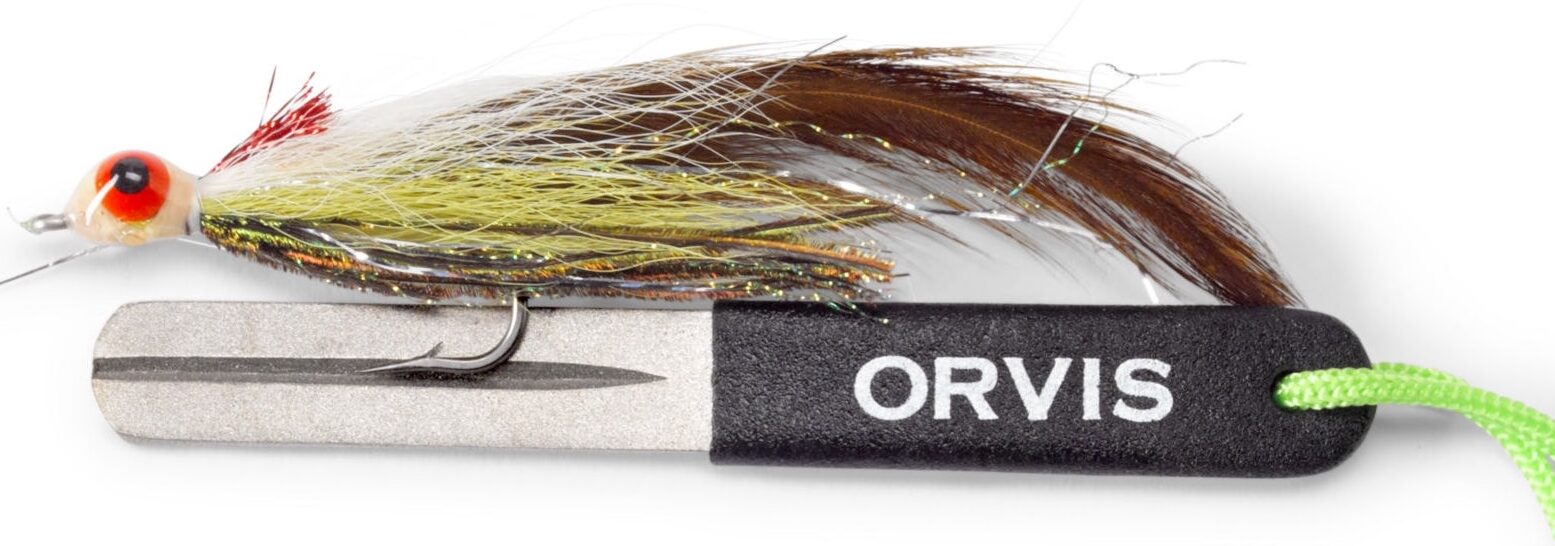 Sharp fly hooks land more fish
#9 Never sharpen your hooks
There are a lot of ways to lose fish. I have extensive lived experience in this area. Maybe you didn’t set the hook well. Maybe you let the line slacken. But I’ll bet you my newest 6-weight rod that a major factor was a dull hook. How do I know your hook was dull? Because unless you own a hook sharpener and used it in the last few hours, your hook was dull. Fly hooks, especially small ones, often seem naturally sharp. They’re not—or not as sharp as they could and should be. They actually tend to arrive a little dull from the factory, after shaking around in a box with 99 other steel hooks. Then every time the point touches a rock, log or fish, it gets duller.
Why does this matter if it’s still pretty sharp? It matters in the margins. Razor-sharp hooks are insurance against mishaps. They’ll stick in a fish’s mouth even when the fish doesn’t strike the fly full on, or if your hookset was weak, or if you bobble the fight. In fact, sharpening hooks is the single cheapest, easiest and fastest way to land more fish on the fly. Here’s a promise: If you buy a $10 hook sharpener, spend a few minutes learning how to use it, and regularly sharpen your hooks, you will land 25 per cent more fish this season. Full stop.
Advertisement
Whether you tie or buy files, make a habit of sharpening the hooks before they go in your box. Then, they’ll only need a tiny touch up on the water. In fact, this advice extends to all kinds of fishing. Two of the best anglers in Canada—Gord Pyzer and Bob Izumi—are famously hardcore hook sharpeners. So, even if you don’t believe me, take it from them.