


THE OUTFITTER OPTION
For the moose-hunting adventure of a lifetime, head into the wilds with a seasoned guide
Advertisement
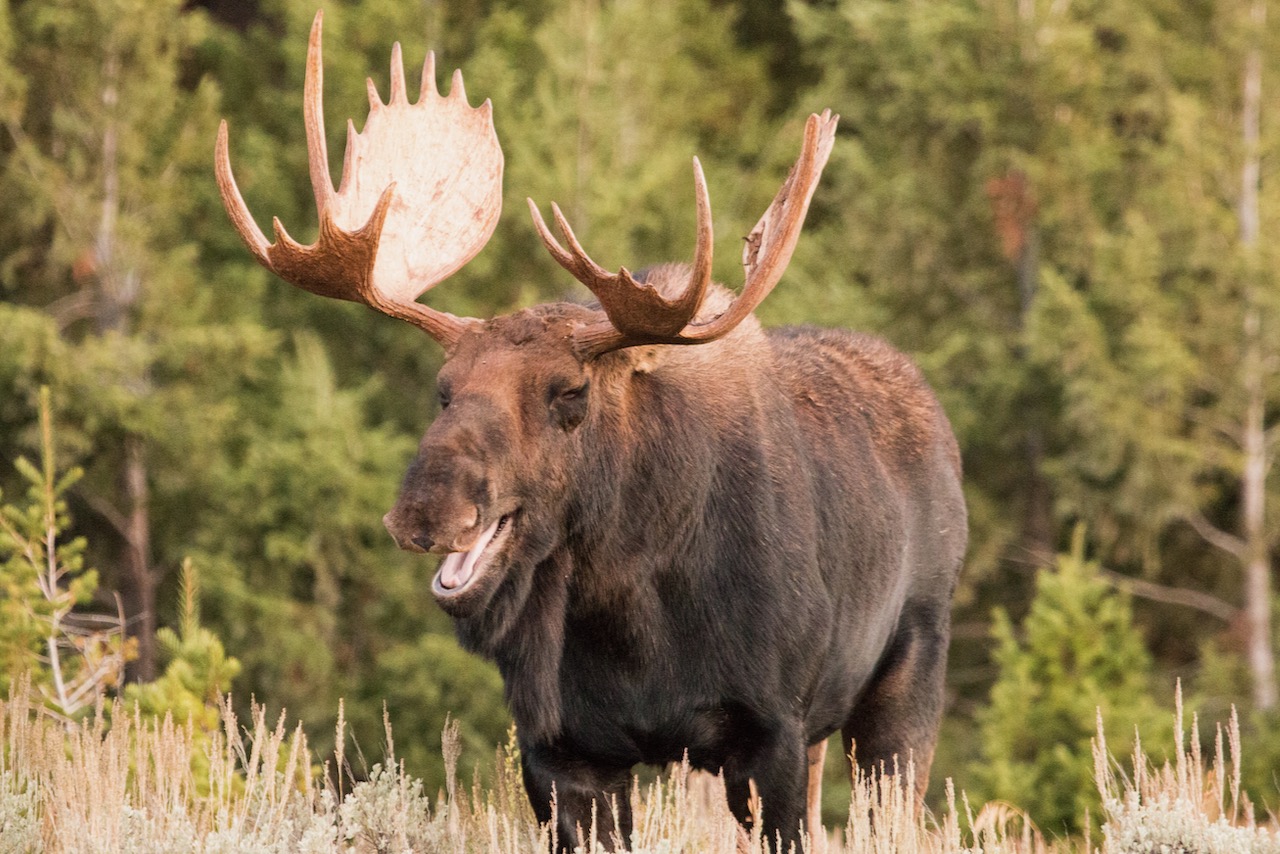
Watching the sun crest the horizon, followed by a day of hiking to high points to glass and call. Immersing yourself in the sights, sounds and scents of the boreal forest that make up so much of this incredible country. The thrill when you first hear the grunts of an approaching bull. Many of us have been feeling a sense of post-pandemic wanderlust, with these unusual times reminding us to enjoy life now, and a moose hunt can offer just the solution.
Advertisement
Better yet, make that a guided moose hunt—especially if you want to venture to a part of Canada you’ve never experienced before. Why? For starters, it’s mandatory in many provinces and territories for non-resident hunters to be accompanied by a licensed guide. Hiring a local professional outfitter will also maximize your days afield, boost your odds of success and help with the heavy lifting once your moose is down.
More importantly, a guided moose hunt can be the adventure of a lifetime, offering many cherished memories, new friendships and enough meat to last a year. It can also be a significant investment, however, so selecting just the right outfitter is key to avoiding disappointment. Here are six pointers to help guarantee the bucket-list hunt of your dreams.
Advertisement
#1 EXPECTATIONS & BUDGET
Guided hunts are offered in virtually every region of Canada where moose roam. The costs can vary considerably, ranging from approximately $5,000 to more than $20,000 for the outfitter portion, depending on the type of hunt you undertake, and where. For example, a hunt for an iconic Yukon giant will be considerably more expensive than a hunt in Newfoundland, Manitoba, Quebec, Ontario or New Brunswick. Most eastern hunts are well under $10,000, with hunts in the northwest of the country typically costing more.
In matching your budget to your expectations, ask yourself some questions. What are your goals for the hunt? Are you craving a 50-inch wall-hanger, or are you fine with a younger animal to fill the freezer? What are you willing to spend, keeping in mind the total expenses will include the outfitter’s fee, travel costs, gratuities, meat processing and shipping (including the antlers or entire head)? Then there’s the taxidermist, if you plan on keeping a trophy mount.
You should also expect to play gratuities. It’s commonplace for your guide and the camp cook to receive a tip that reflects their efforts. This is often factored into their anticipated pay for their time at camp. Tipping amounts vary depending on your experience, but ask the outfitter what is typical before signing up.
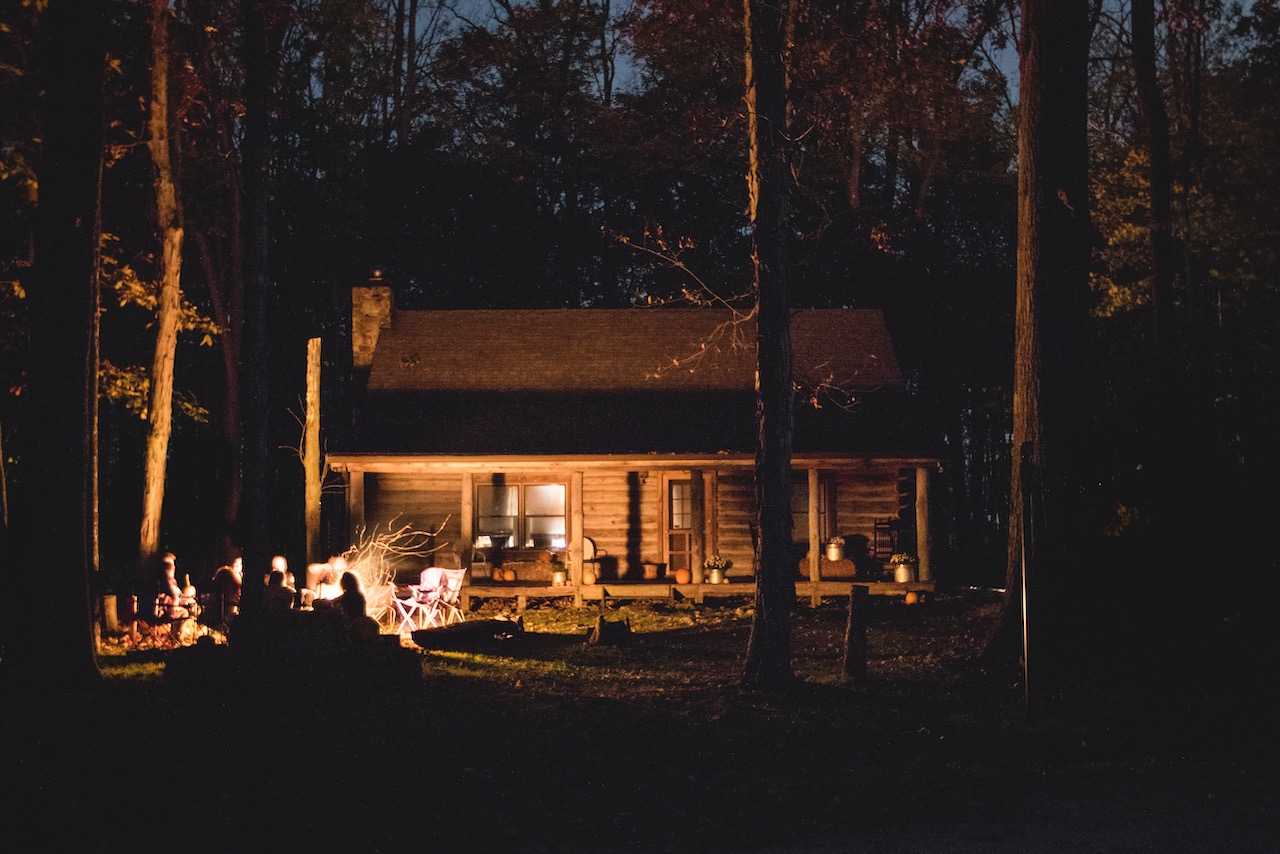
Finally, are you looking for a hunt based out of a comfortable lodge complete with a chef and all the creature comforts, or do you want more of a backcountry spike camp adventure? Are you up for hiking several kilometres a day, or would you prefer the ATV approach? Settling all these details upfront will streamline your initial planning.