


TOOLS OF THE TRAIL
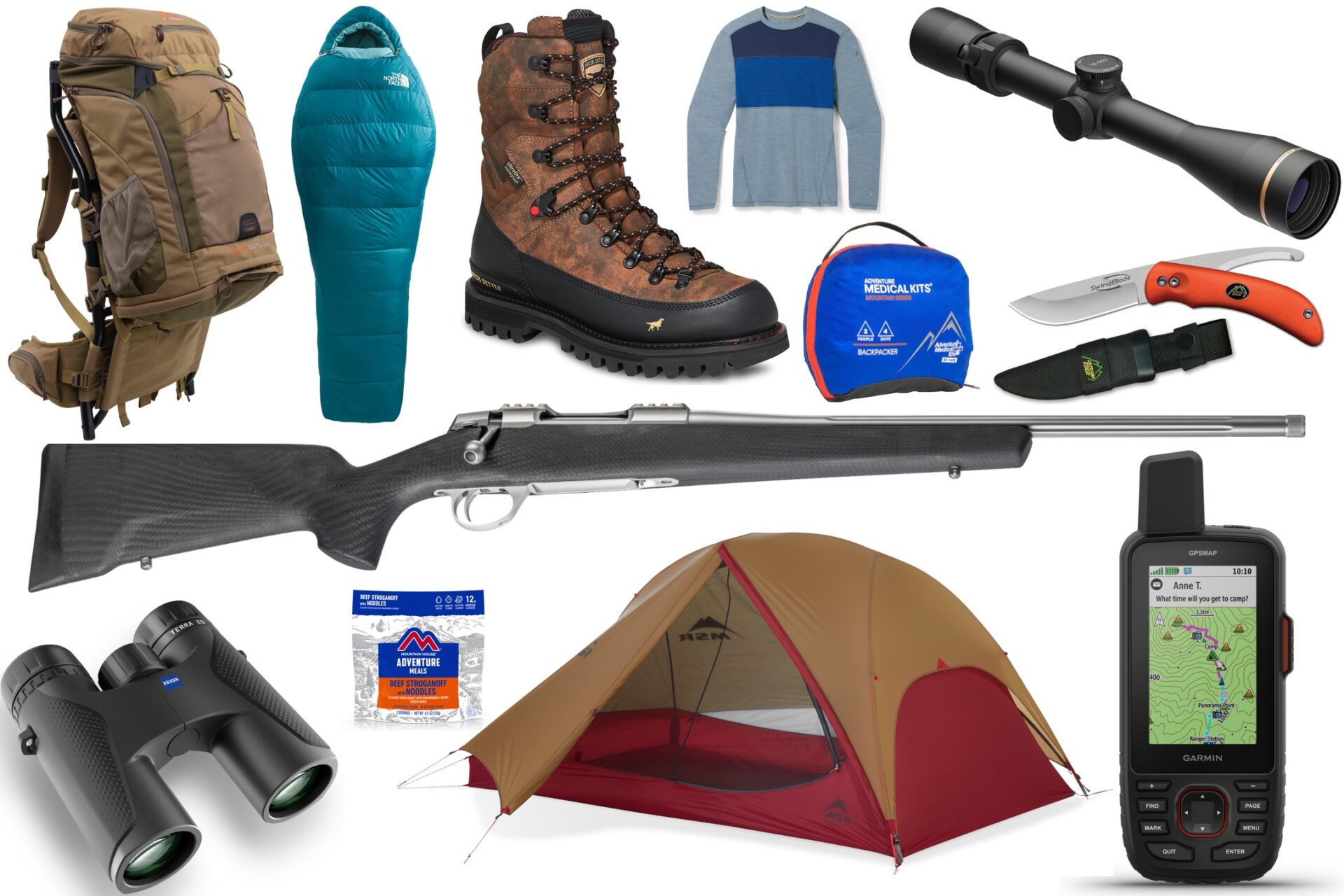
To guarantee a successful backcountry hunting adventure, you need to pack just the right gear—and now’s the time to start planning
Advertisement
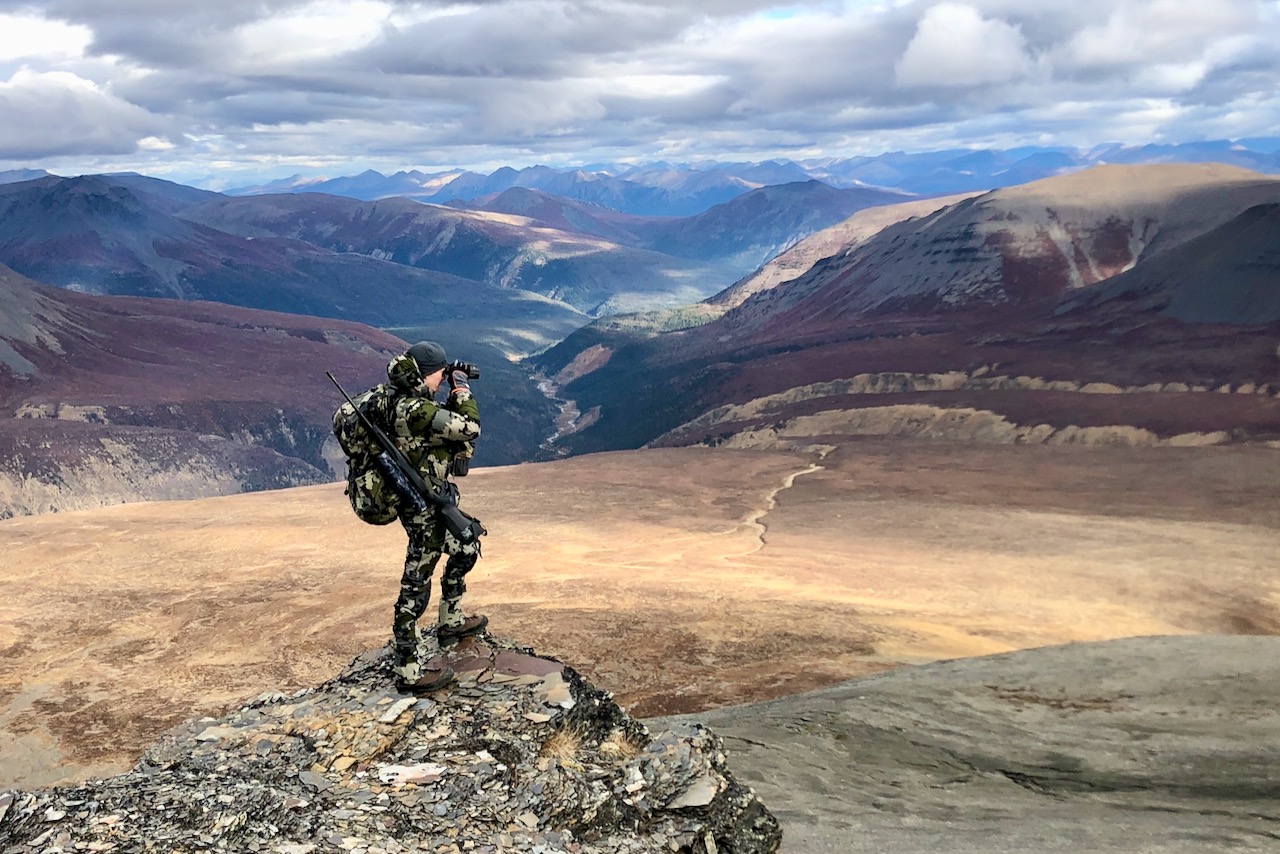 Photo: Brock Vandor
So much for the days when we could count on a successful hunt out in the back forty. Thanks to improved access and with it, more hunting pressure, we now often need to leave the beaten track far in the rear-view mirror if we want to ensure we don’t return home empty-handed. That’s particularly the case when it comes to hunting big game such as goats, sheep, caribou and mule deer in the high country. And, of course, heading far afield means you also need to carefully select just the right gear to bring along.
I shudder when I look at my first backcountry hunts, equipped as I was with ill-fitting backpacks, leaky tents, heavy rifles, terrible food, soggy clothing and leaky boots. And let’s not even talk about the lack of proper emergency gear. In retrospect, I’m grateful for the success I had on those early hunts, although I have to concede I’m not sure how I managed to pull them off.
Advertisement
These days, thankfully, backcountry adventurers have access to some of the most specialized camping and hunting equipment the marketplace has ever seen. To get you started on your packing list for the coming season, here’s the lowdown on 12 items you need to ensure an enjoyable, safe and successful foray beyond the back forty.

#1 RIFLE
When selecting a backcountry rifle, weight, accuracy, reliability, toughness and calibre should all factor into your decision. While various rifles may have mountain or backcountry in their names, they’re not all created equal. The rifle itself should weigh no more than six pounds. By the time you add a scope and mounts, however, the combined weight may tip the scale at 7½ pounds, which approaches the upper limit for an all-day-carry backcountry rifle. While there’s no absolute guarantee on how the rifle will shoot, look for MOA accuracy guarantees that are backed by published reviews.
Advertisement
To help avoid a malfunction in the middle of nowhere, stick to a bolt action that’s built to withstand rugged use. On that note, you also want a rifle that has a carbon-fibre stock, stainless-steel barrel and Cerakote-treated action. While I prefer the lighter weight of a short action in steel, a long action in titanium is also light, but expect a heftier price tag. Rifles with light, carbon-fibre-wrapped barrels are also worth considering, as they offer superior strength and rigidity over heavy-profile steel barrels. Despite the loss of velocity in shorter barrels, I prefer a barrel of 22 inches or less, as it provides more manoeuvrability in tight spots.
As for the calibre, that depends on the animals you plan to hunt. For most game, I prefer one of the 6.5s because they offer less recoil in a lightweight rifle, and they’re inherently accurate and deadly. If large game such as moose are on the agenda, consider one of the .30 calibres, but be prepared for an increase in recoil.
#2 SCOPE
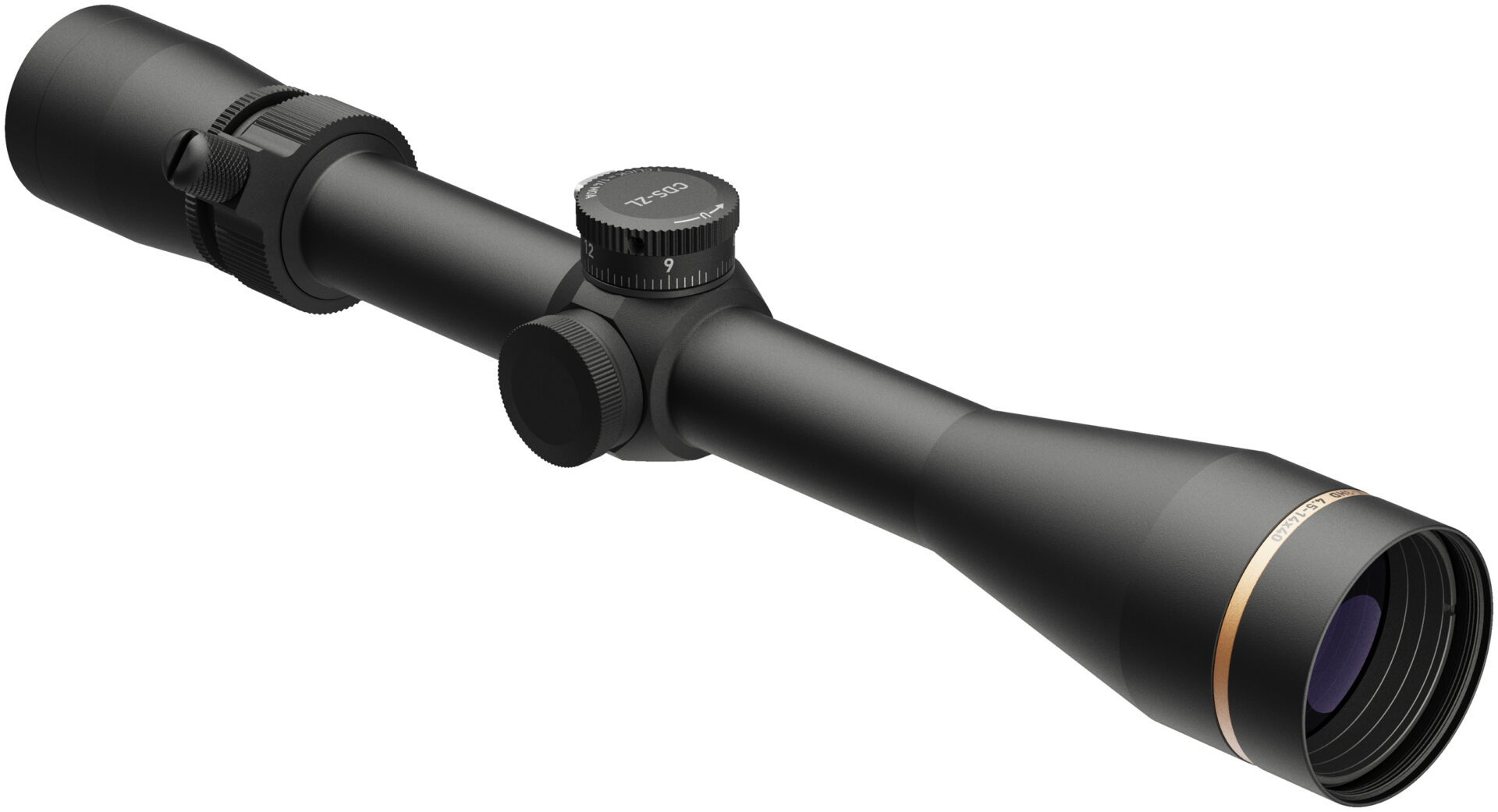
In order to keep the pairing of your rifle and scope to less than 7½ pounds, look for a scope weighing no more than a pound. For most backcountry hunts, a magnification range of 3-9x or 4.5-14x with an objective lens of 40mm is ideal. You also want multi-coated lenses that provide bright, crisp images and protection from all types of weather. The scope must be shock-, fog- and waterproof, with plenty of eye relief, as shooting positions can dictate odd-angle rifle holds.
I also prefer a low-profile scope with an elevation dial that offers ballistic calibration tuned to your specific ammunition, such as Leupold’s Custom Dial System. The lower profile makes it easier to handle, and the calibrated dial offers very quick elevation adjustments for dead-on holds out to more than enough distance.
#3 BACKPACK
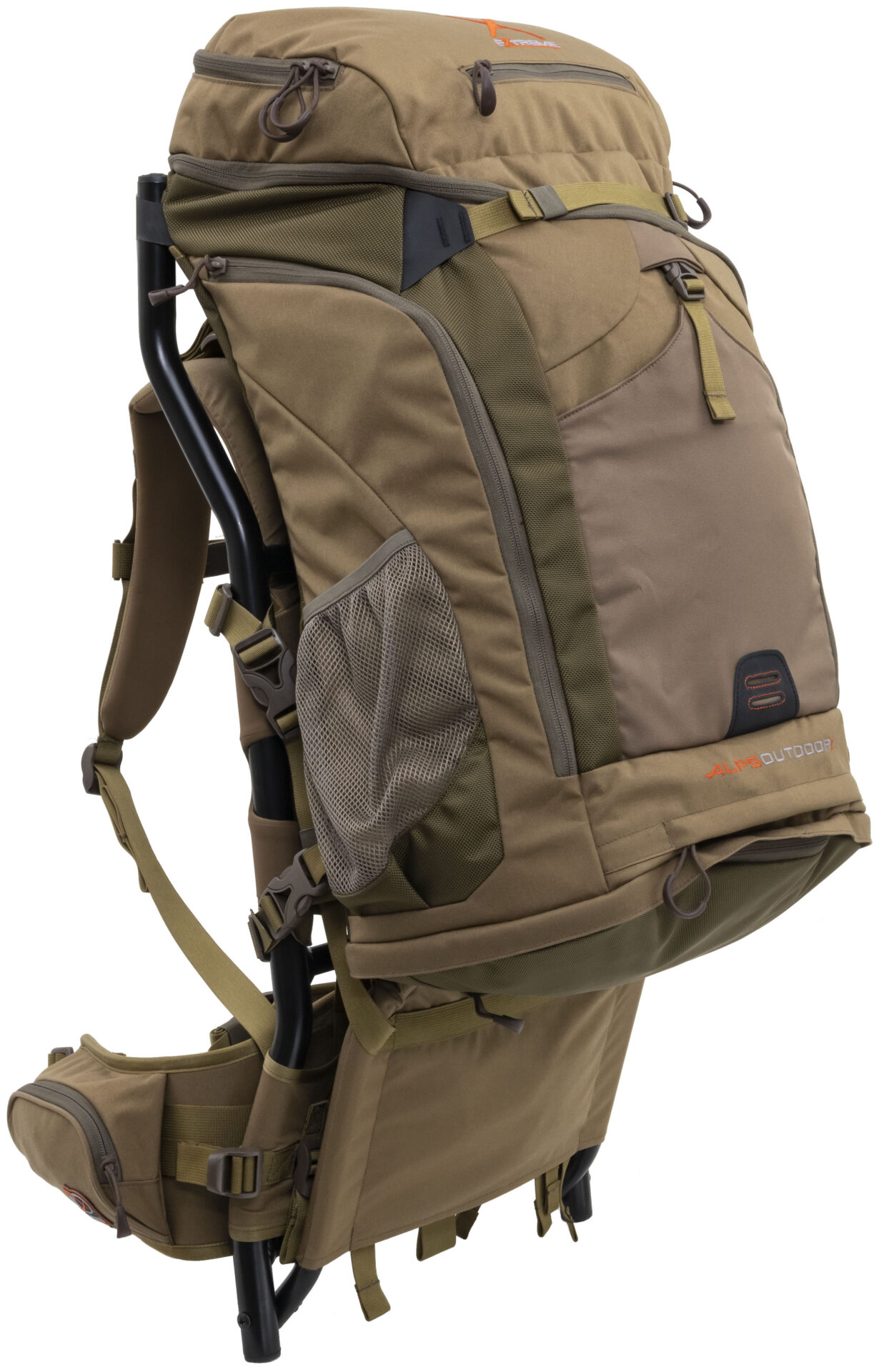
One of the most critical purchases you will make is a backpack. Although weight is not a deal breaker, the lighter the better. Minimal requirements here include a frame that can handle substantial weight, and a main compartment that’s large enough to store all your gear. The pack must also fit you comfortably, complete with adjustable padded shoulder and hip straps.
For backcountry hunts, I recommend a pack that combines an external frame for hauling meat with a large, tough, detachable pack bag featuring stowable shoulder straps. To haul out heavy loads of meat, you can remove the detachable pack bag and take advantage of the full external frame with its heavy-duty freighter shelf.