

GET THE DRIFT
Mastering drag is key to naturally presenting your fly
Advertisement
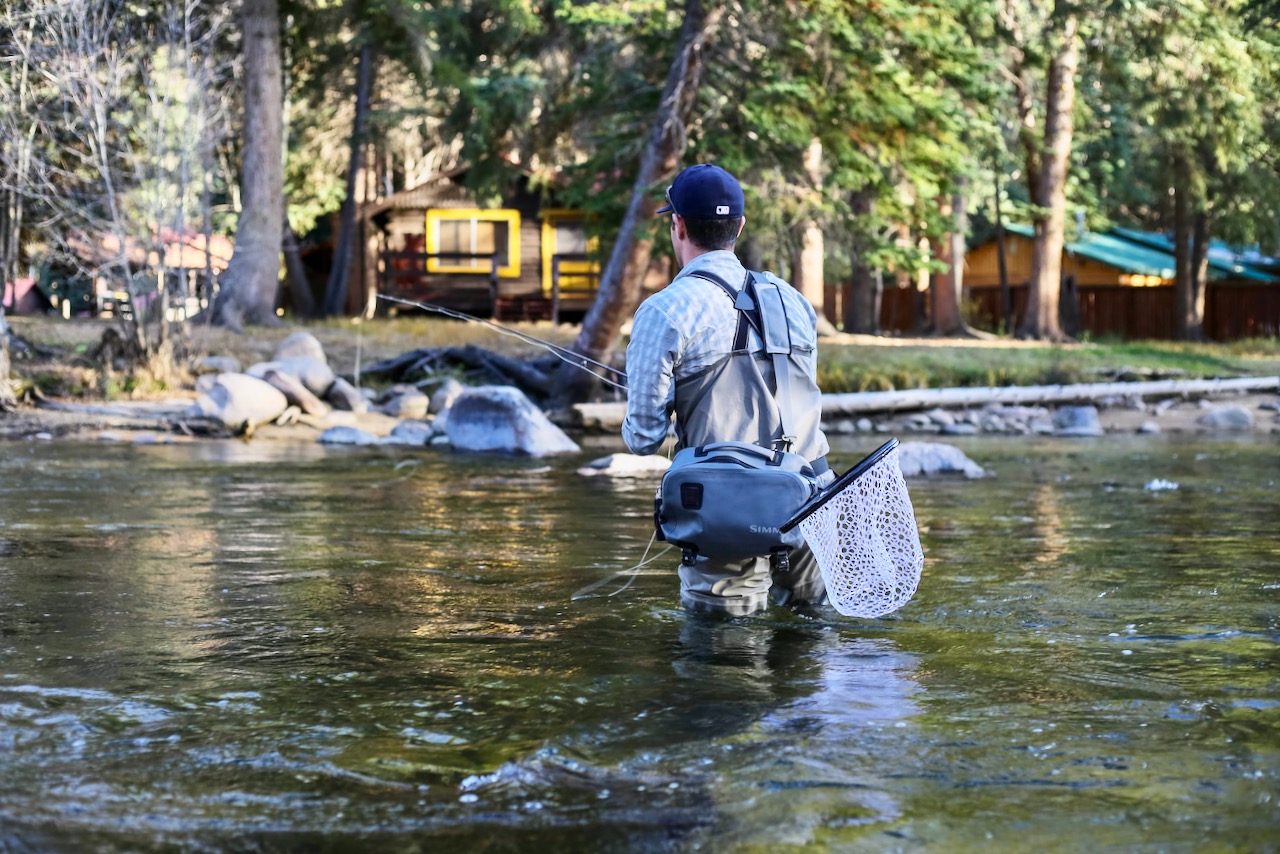 Most fly casts should immediately be followed by a mend (photo: Taylor Grote/Unsplash)
CASTING
Less line on the water means less opportunity for drag. So, before you cast, position yourself to make the shortest cast possible. Then the idea—which I fluked into those many years ago—is to land the fly in the strike zone, but with slack in the line. That way, the water can pull on the line without affecting the fly. Ironically, as you become a better caster, adding that slack can be hard to do.
One solution is the “wiggle cast.” As soon as you stop your forward cast, wiggle the rod tip rapidly back and forth. This creates S-shaped wiggles of slack in the line as it lands. Another trick is the “reach cast.” Again, stop the forward cast as usual, then quickly point the rod up- or downstream (in a reaching motion), while letting a little line slip through your fingers. Both techniques help set up a drag-free drift, but there’s still more you can do.
Advertisement
MENDINGOnce your fly lands, the next step to avoid drag is to mend the line, which simply means repositioning it with your rod. Specifically, you make a short semi-circular motion with the rod tip, flipping the fly line up- or downstream, while allowing extra line to slip through your fingers. If your line is moving downstream ahead of the fly, mend upstream to reintroduce slack and extend the drift. Conversely, if the fly is moving faster than the line (less common, but it does happen), flip the line downstream to catch up with it.
Mending is so useful when fishing in a river that almost all of your casts should immediately be followed by a mend. If you can, mend the line several times to keep your fly drifting naturally as long as possible as it passes fish-holding areas.
Thanks to those pesky laws of physics, drag is inevitable; at some point, your line will go tight, and your drift will end. The goal of these techniques is to postpone drag until your fly has passed through the fish’s strike zone. In an ideal world, we’d master all of these tricks, but knowing even one helps, since less drag means better drifts—and that means more hook-ups.
Advertisement