

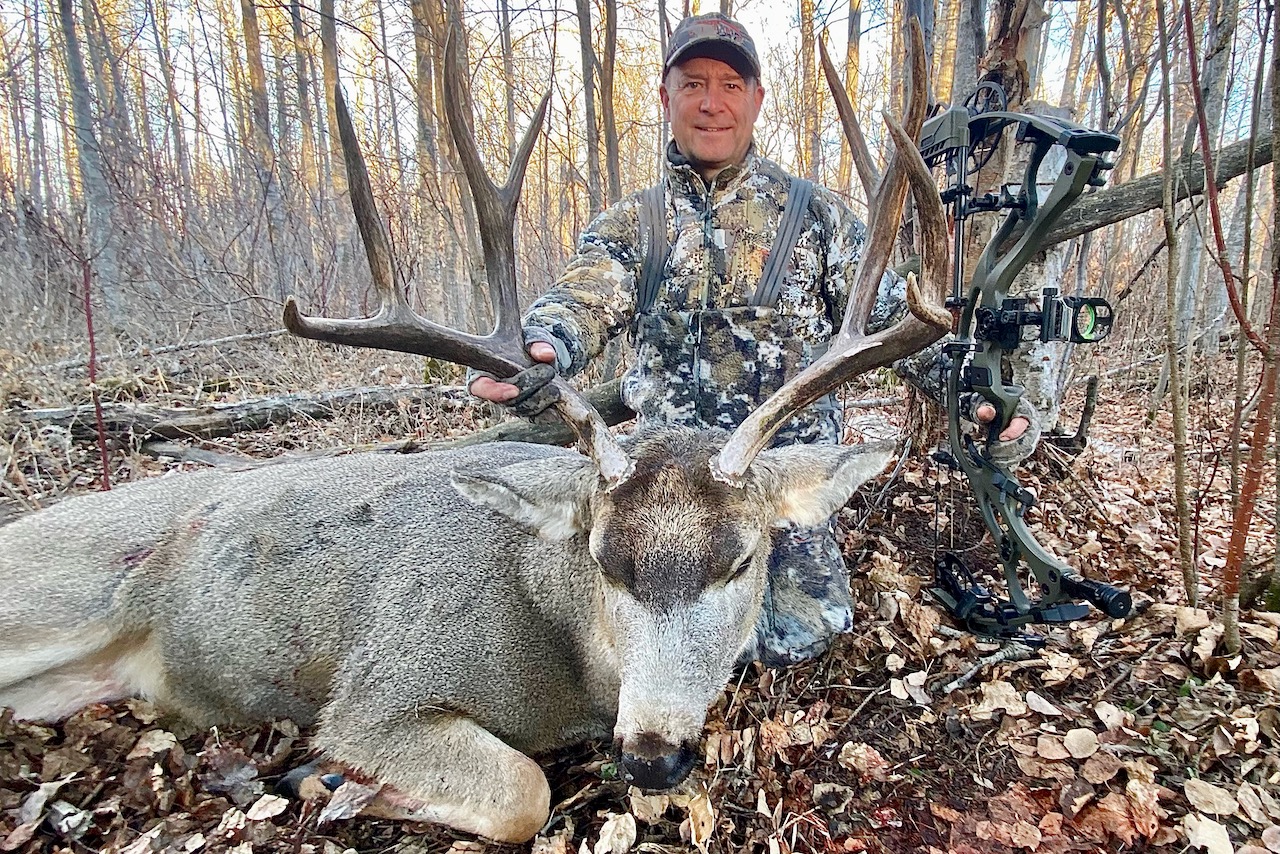

THE OTHER DEER RUT
Their breeding patterns may be similar to whitetails, but you need to adjust your timing and tactics to successfully hunt rutting mule deer bucks
Advertisement
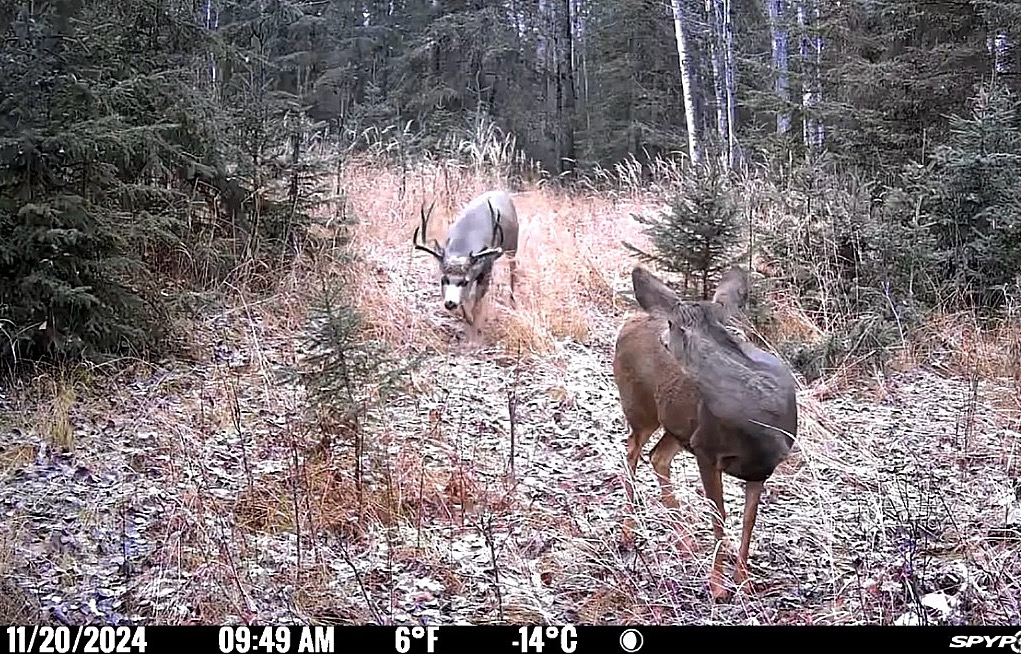 Trail cams reveal the action picks up in mid-November
THE RUT
I’ve learned that while the mule deer rut cycle mirrors that of whitetails, it generally occurs two weeks later. The rutting behaviours are also similar to whitetails, but less obvious. Where seasons are open, that means hunters can call, rattle and decoy for mule deer, just as they would for whitetails.
Over several decades, I’ve documented and studied the differences and similarities between the breeding cycles of the two species, and how to exploit their respective vulnerabilities to create shot opportunities (both with a bow and firearm). Using trail cams, I’ve also been able to monitor mule deer in their rutting areas for many years now. In my experience, they’ll begin their pre-rut inventory stage as early as the last week of October. And much like elk, they’ll typically migrate to core rutting areas during estrus.
Advertisement
Throughout September and into early November, I’ll capture sporadic movements of a few mule deer does and the odd young buck on my trail cams. By November 15, however, that movement greatly increases. More mature bucks begin to show up, and they are clearly on the move.
While whitetails will begin to step up their pre-rut travels and lay down a lot of scrapes during the last week of October, mule deer really don’t begin to accelerate their movements until the second week of November. That’s when does begin to group up more, and bucks join them. Then by around November 20, things begin to heat up, and the most dominant bucks will start to gather and court their harem of does.
In my experience, most of the does will go into their general 48- to 72-hour estrus between November 26 and 30, and the bucks will stick close to them. As soon as the does are bred, the bucks will then break loose and begin searching again. That’s something I’ve witnessed time and time again.
Advertisement
A couple of years ago on November 28, for example, I spent an afternoon in a core rutting area and watched mule deer bucks traveling in all directions around my stand. Clearly something had changed—they were all acting as though the does were in heat and they had to take advantage. What intrigued me was the intensity with which they were searching, their noses constantly to the ground. Clearly, they had one thing on their mind.
Most hunters have observed that kind of rutting behaviour in whitetails, but relatively few have witnessed it in mule deer. Bucks, especially more mature ones, are normally on alert and not easily fooled, but they drop their guard when estrus hits. So much so, in fact, that I’ve had numerous mule deer bucks look straight at me—both when I was on the ground and in a treestand—and they just carried on as though I weren’t there.
I’ve also had the unique opportunity to hunt an early-December muzzleloader season, when it appeared the initial estrus had ended and bucks were on the move again looking for does that had yet to be bred. I shot a buck on December 4, and when I leaned down to tag him, what I noticed first was the overwhelmingly pungent odour of his soaking-wet tarsal glands. Then I saw his fully swollen neck, and bark shavings plastered just above his pedicles, confirming the buck had still been rutting hard that late in the season.
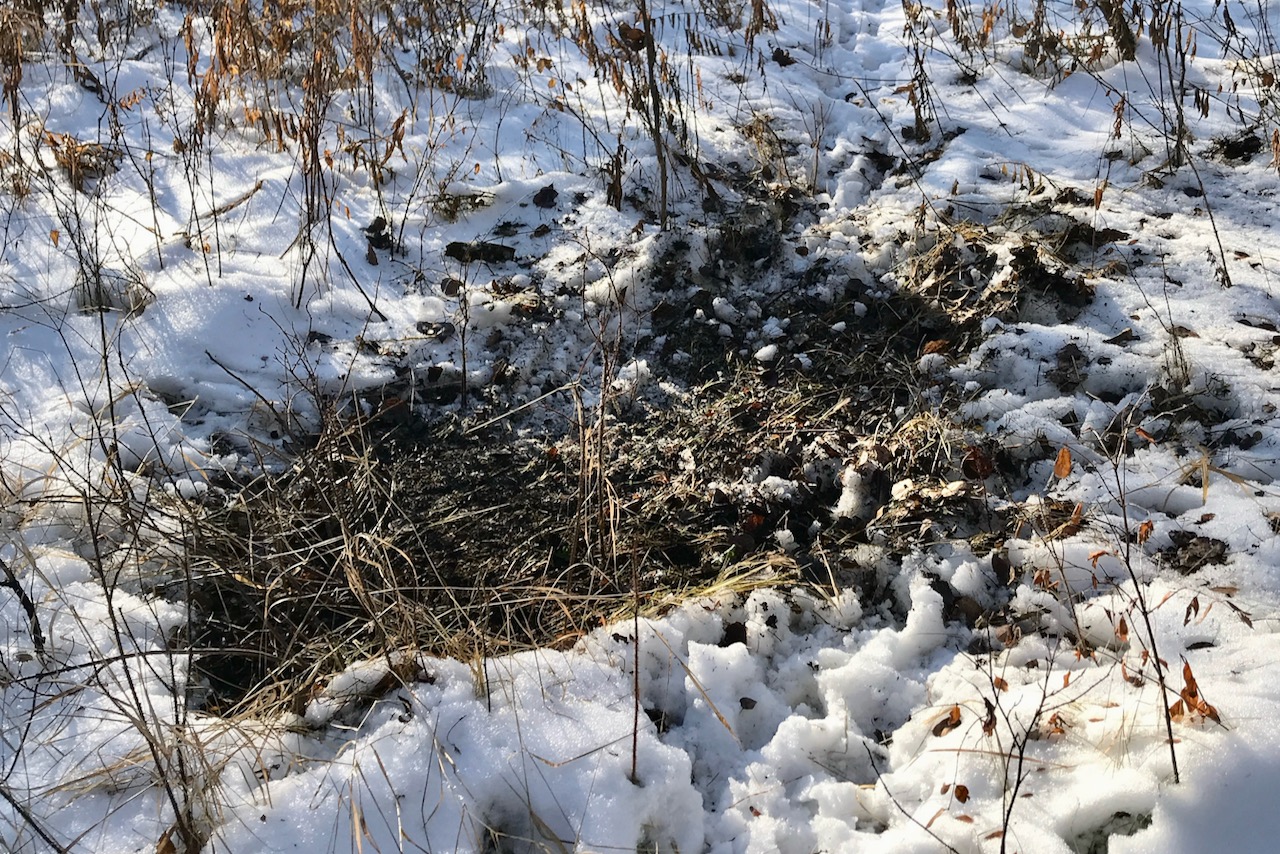
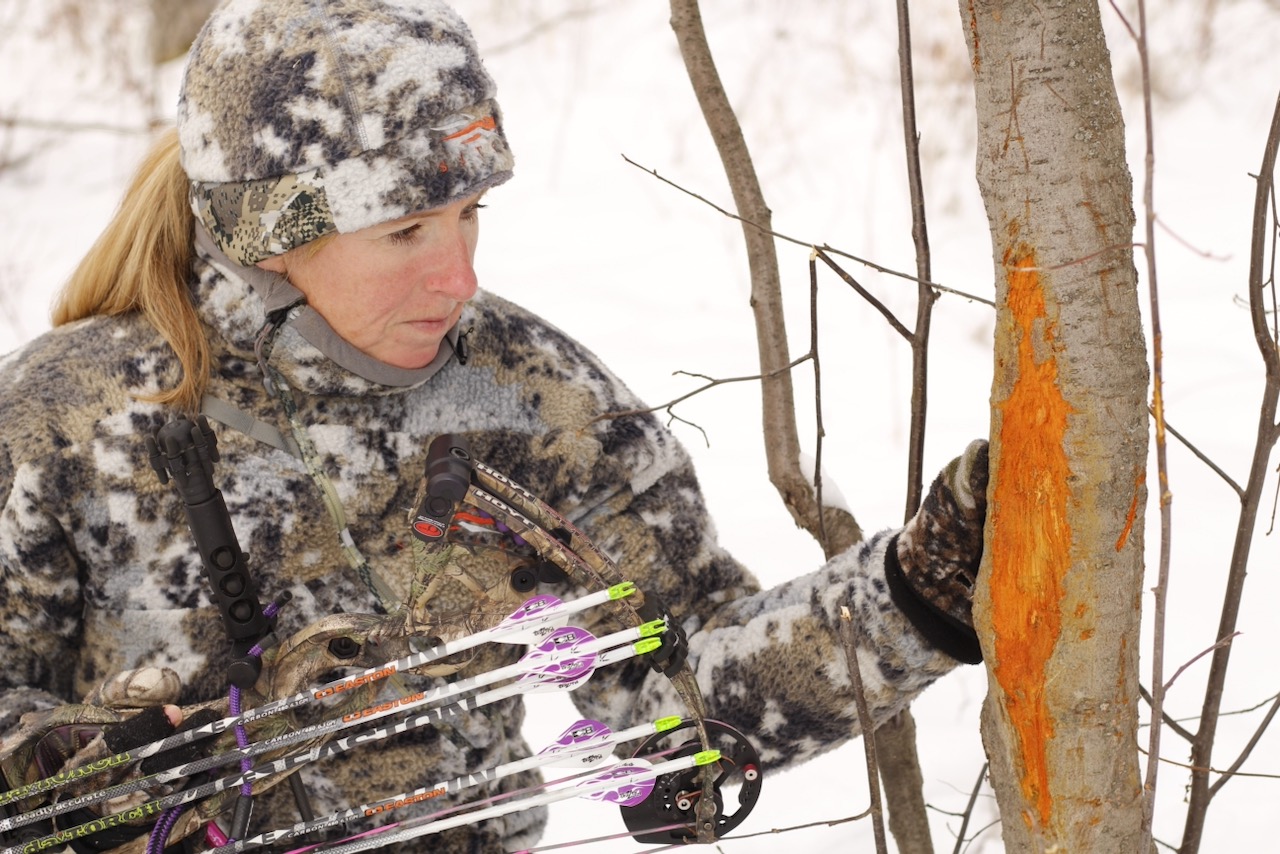 Mule deer rubs (above) and scrapes (below) appear similar to those of whitetails
THE SIGNPOSTS
As with whitetails, mule deer bucks also make rubs and scrapes, although they do so to a much lesser extent. The rubs and scrapes of both species appear similar, but there are some clues to tell them apart.
Mule deer bucks begin peeling off their velvet in mid- to late September by thrashing their antlers on brush and low branches (I’ve seen velvet hanging on as late as the third week of September, but that’s an exception to the rule). Then near the end of the month, they begin rubbing their antlers on both coniferous and deciduous trees, which in my experience are often larger than the saplings whitetails tend to use. And unlike whitetails, they rarely create distinct rub lines. Both species, however, use these signposts to identify territorial boundaries and provide a communication tool for does and other bucks living in the area.
Mule deer bucks also create scrapes to identify their territories as estrus approaches, and to communicate with does—a buck’s urine identifies him and his dominance level, while the pheromones in a doe’s urine tell the bucks when she is ready to breed. In the areas I hunt, I’ve also noticed that mule deer scrapes are also generally larger, and lack the licking branch typical of whitetail scrapes.