

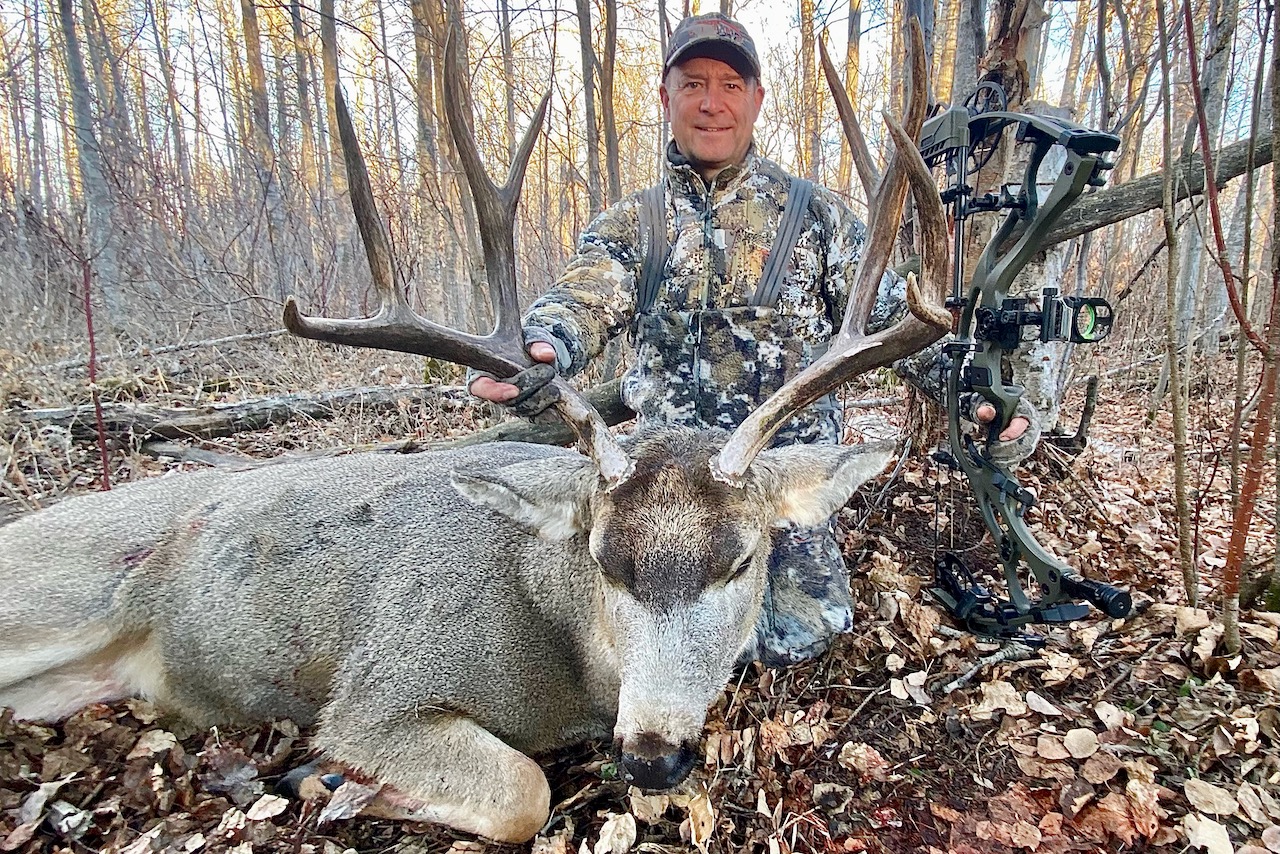

THE OTHER DEER RUT
Their breeding patterns may be similar to whitetails, but you need to adjust your timing and tactics to successfully hunt rutting mule deer bucks
Advertisement
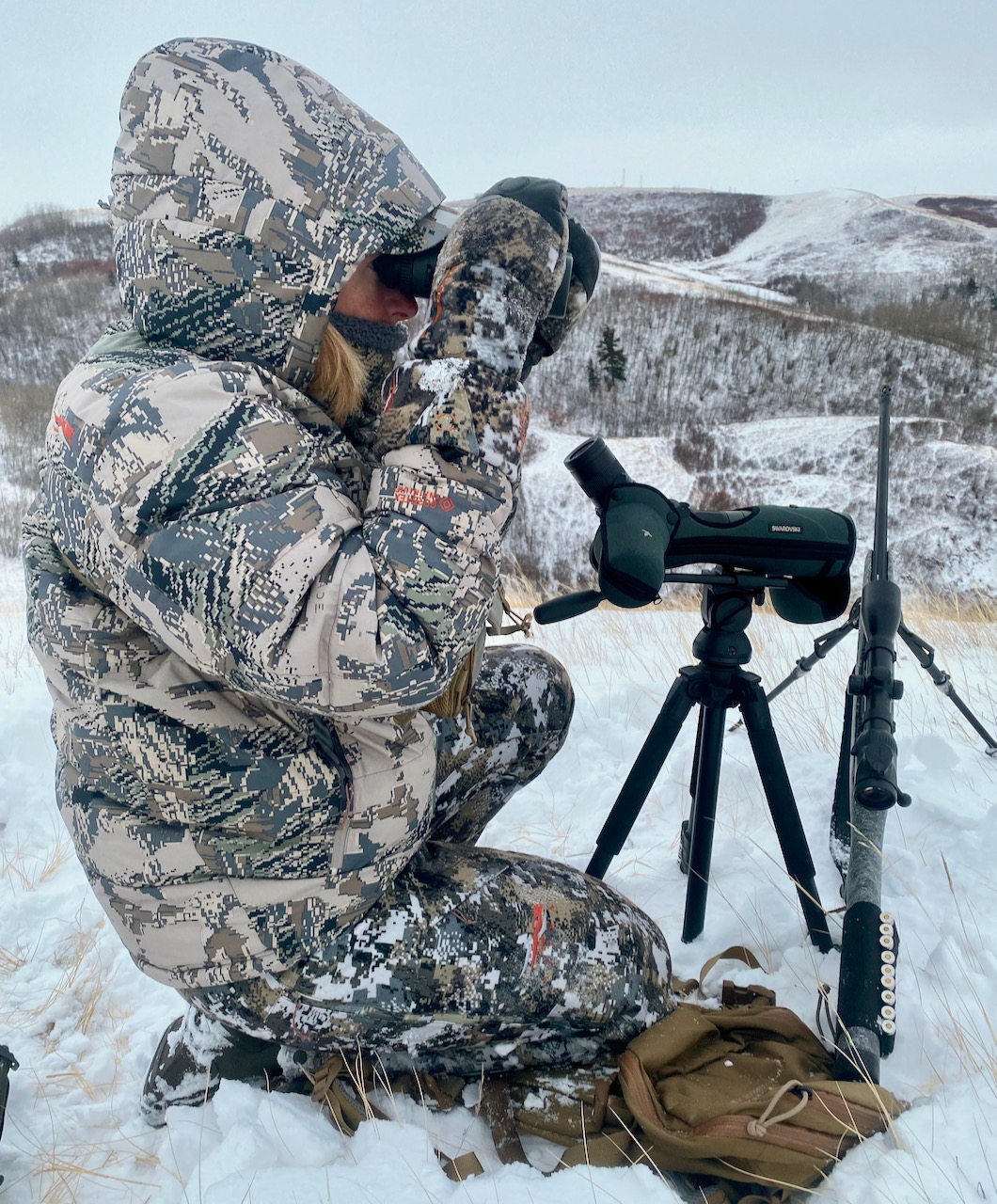 Glass from elevated areas
THE STRATEGY
Your approach to hunting mule deer during the rut should be determined by the type of terrain and cover in your hunting area. When setting up for ambush opportunities in coulees and foothills, sitting still and waiting on high ground over visible mulie travel corridors is a great option. If you are hunting bigger woodlots, on the other hand, setting up a treestand overlooking heavily used deer trails in areas with high deer densities can also provide great ambush opportunities. If the season is open where you hunt, November 25 to 30 can be the perfect time to intercept bucks travelling in search of does. This is indeed the peak of the first mule deer estrus. Hunting from treestands over prime food sources can also be very effective.
If being proactive is more your thing while on the stand, rattling and calling are also options. During a hunt nearly three decades ago, I was in awe the first time I saw rattling for mule deer in action. Sitting in a stand roughly 135 metres from my hunting buddy’s stand, I could see down a ridge into a valley. As my friend started rattling, a doe came eagerly wandering up the ridge and stopped under his stand. Looking intently to investigate what was making the commotion, the doe was clearly attracted by the prospect of two bucks sparring.
Advertisement
That was on November 30, the peak of the mule deer rut. Several times since then, I’ve watched bucks come in to inspect the sound of antler on antler. Much the same as with whitetails, the key to rattling in a mule deer buck lies in hunting areas with a high buck-to-doe ratio, where competition for breeding rights is high. In my experience, though, mule deer respond less favourably to rattling than whitetails.
My favourite strategy for mule deer is spot-and-stalk hunting, searching for bucks on the move during the rut. Mule deer typically live in areas with mountains, rolling hills, river bottoms, coulees or open farmland, where you can find elevated areas to spend time glassing for movement. During the rut, it’s only a matter of time before you spot a buck on the move. Focus on monitoring familiar doe groups, as a buck will eventually show up to breed. I’m amazed by how many times I’ve seen exceptional bucks—in the 170-inch Boone and Crockett class or better—bedded out in the open during the pre- and peak rut with a group of does. Their priority is to keep tabs on the females and capitalize on breeding when one goes into heat—further boosting your odds of success during the mule deer rut.