


WHERE’S WALLEYE?
June can be a tricky time to find and catch walleye. The key is understanding what motivates their post-spawn behaviour
Advertisement
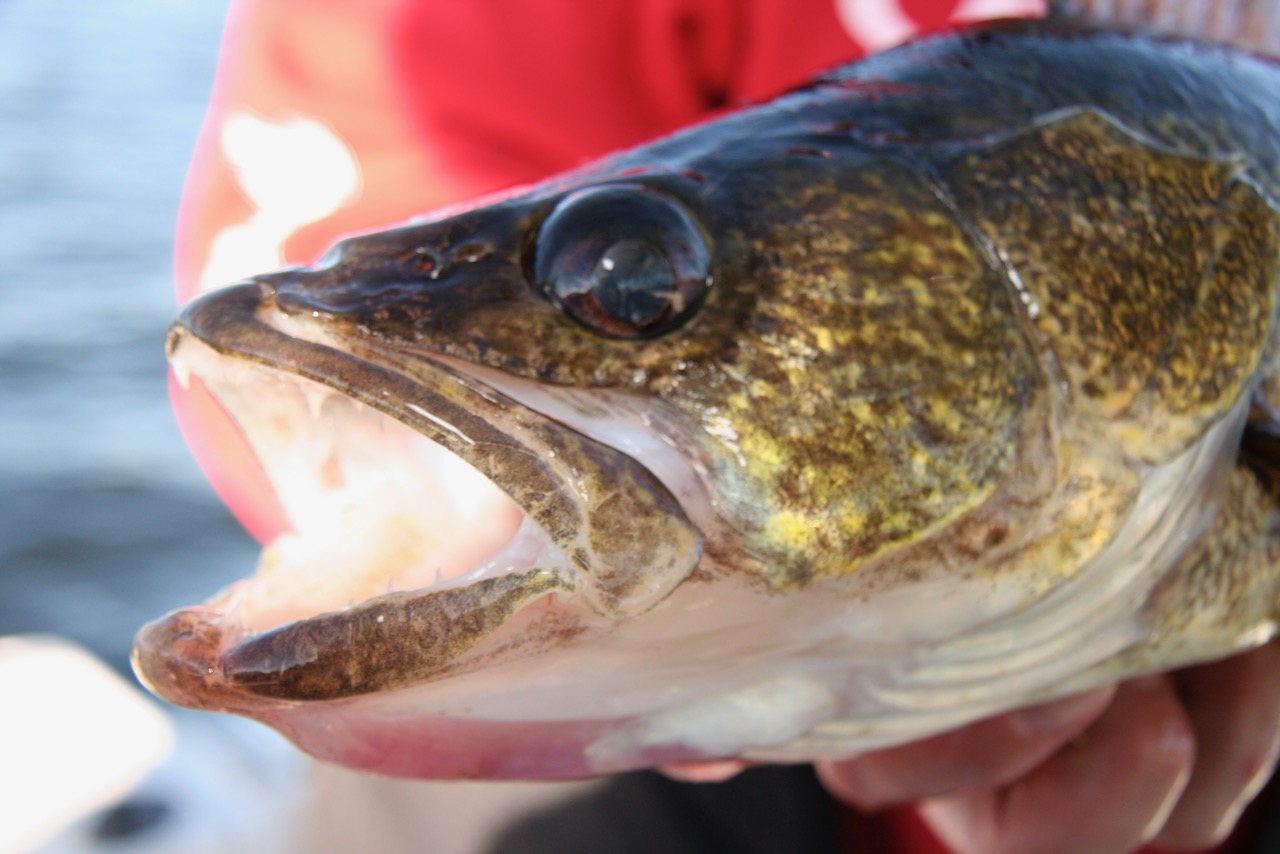
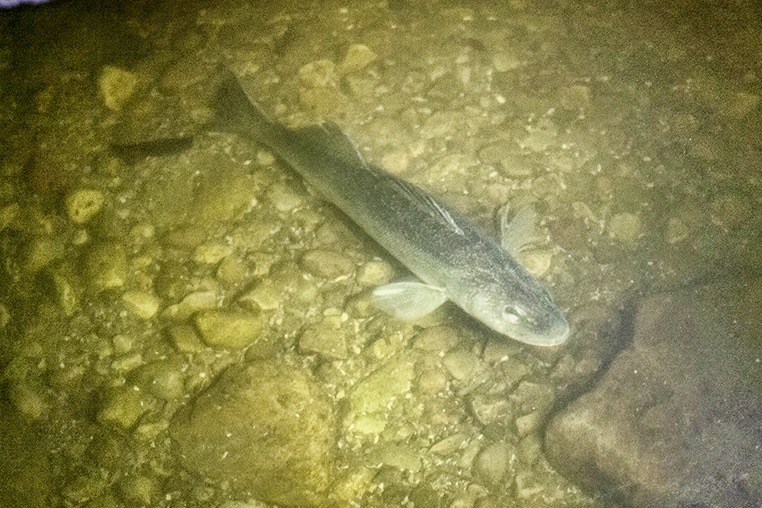 Following the spawn, walleye will concentrate on staying safe and finding food (photo: Chris Hockley)
RECOVERY TIME
Spawning is hard on walleye. By the time they complete their annual ritual on shallow gravel, rubble and current-swept shoals, they’re physically depleted. Their energy reserves are low, their body mass is down and their stress levels are high. For several weeks afterward, survival—not aggression—is their top priority.
The males, which arrive first and linger longest on spawning sites, often remain there well into June. After laying their eggs, the females typically slide off the structure sooner in search of food and calmer water. These first post-spawn locations are rarely far away.
Advertisement
One of the most common early-summer mistakes walleye anglers make is continuing to pound spawning structure long after the fish have moved on. Instead, look for adjacent soft-bottom bays, gentle breaklines just outside shoals and slightly deeper flats that are also warming quickly. In mid-June, these zones offer protection, stable temperatures and easy feeding opportunities.
WATER TEMPERATURE
If there’s one factor that drives early-summer walleye location more than any other, it’s water temperature. In June, walleye are seeking comfort. Their preferred range sits roughly between 15°C and 20°C, and they will actively move to stay within it.
Shallow water warms first, especially in protected bays or the leeward side of shallow, mid-lake rock outcroppings. That warmth triggers plankton blooms that attract baitfish, which in turn draw walleye. It’s a cascading effect that can unfold quickly in early summer, with a few sunny days pushing fish shallower almost overnight. Prolonged cool weather, on the other hand, can hold the fish deeper and delay the process.
Advertisement
In June, pay attention to those changes in the weather, and constantly monitor the surface temperature on your sonar. Also consider investing in one of the many thermometers made for reading the temperature in deeper water. Digital versions are generally more expensive, but they give you instant information, often via Bluetooth to your smartphone. Analog thermometers are much cheaper, but they require more patience to use. Whatever the case, if you find the right temperature zone, structure becomes less important.