


WHERE’S WALLEYE?
June can be a tricky time to find and catch walleye. The key is understanding what motivates their post-spawn behaviour
Advertisement
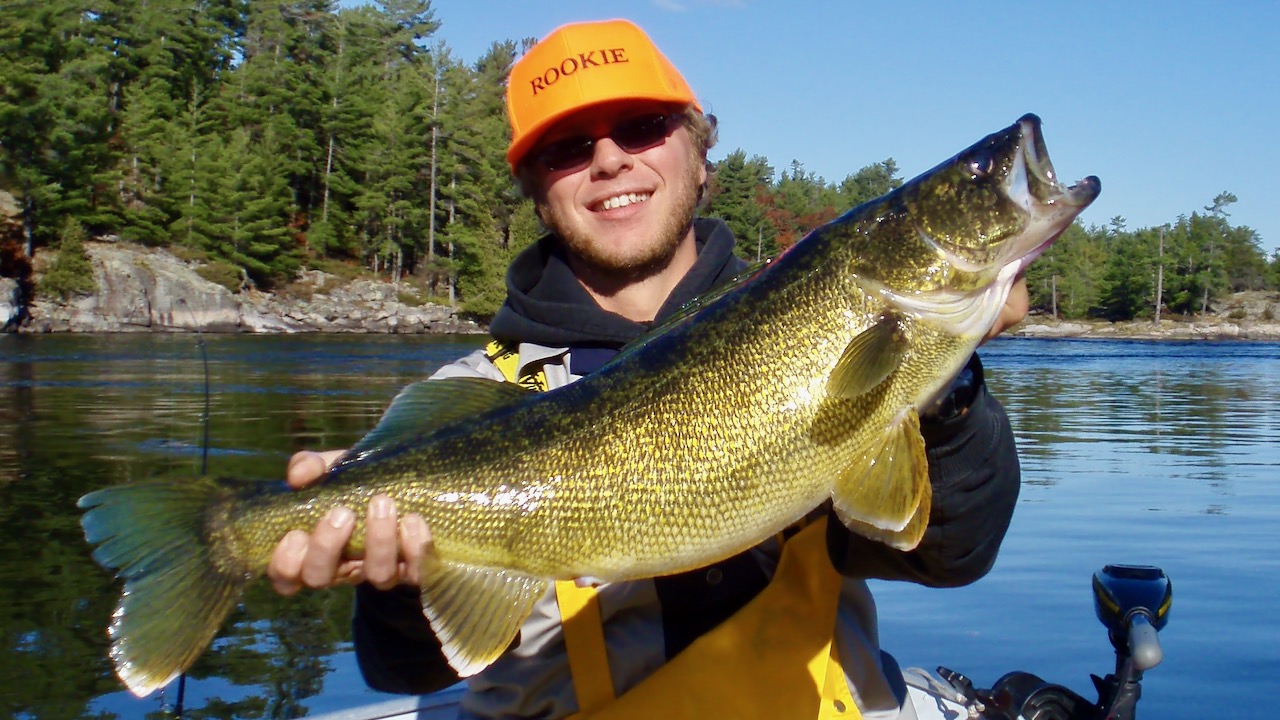 Drop-offs outside of a spawning flat are a top bet
TOP LOCATIONS
While June walleye may be mobile, their movements aren’t random. The following areas consistently hold fish during the post-spawn transition, making them well worth targeting.
Transitional Breaklines
Advertisement
The first major drop-off outside of a spawning flat is a classic early-summer holding area, as it offers quick access to both shallow feeding zones and deeper refuge. Look for these edges in six to 15 feet of water in a cool year, and a little deeper if the water is warm.
Emerging Weed Edges
Focus on new growth near drop-offs, especially where the weeds meet rock, sand or gravel. Inside turns and points along weedlines are natural feeding stations, especially if you can identify the key weed species (also see “Weed growth”).
Advertisement
Windblown Structure
Consistent wind pushes plankton and bait onto reefs, points and shorelines, which can load up with walleye as a result, particularly on overcast days.
Advertisement
Basin Edges
Walleye frequently suspend near schools of pelagic baitfish, especially in clear lakes. The edges of deep basins, along with subtle mid-lake humps, become key areas later in June.