


LAST-CHANCE TACTICS
When late-season fish are on the move and bulking up for winter, these two pro techniques will get you in on the action
Advertisement
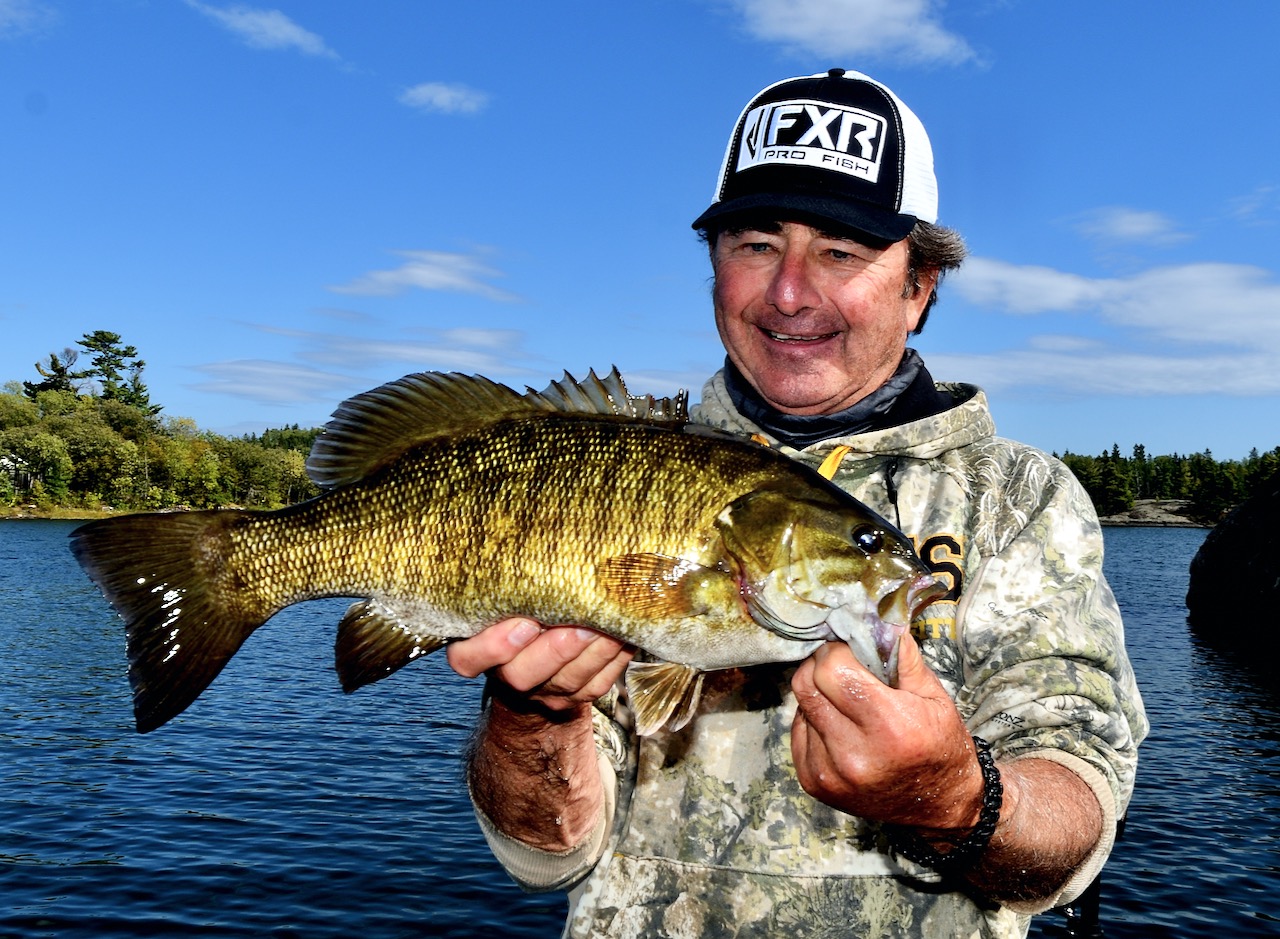 Fall smallmouth bass will congregate around one small structure
Many anglers have a love-hate relationship with fishing in the fall. On the one hand, the fishing can be amazing because the angler pressure is often light, the weather can be ideal and the walleye, bass, yellow perch, black crappies, northern pike and muskies will be bunching up big time, congregating in ever larger schools. With winter approaching, the fish also instinctively know their survival hinges on how much food they can eat in the waning days of the open-water season. As a result, they go on a feeding frenzy, which is especially the case with the biggest members of the population.
Ironically, however, it’s because of these factors that many anglers find fall fishing so difficult. In the summer, you’re able to drop the electric trolling motor and slowly work your way down a shoreline, along the edge of a deep weedline or up on top of a main-lake structure, catching enough fish to keep yourself in the game. Since the walleye, bass, pike and panfish are scattered, the odds are good you’ll put a bait or lure in front of at least a few fish. But in the fall, the fish pull away from their summer spots en masse and relocate to historic site-specific locations.
Advertisement
That’s certainly what my good friend Mark Ridgway has observed over his decades studying fish behaviour out of the Ontario government’s Harkness Laboratory of Fisheries Research in Algonquin Provincial Park. For example, he’s noticed that all the smallmouth bass you would find strung out along three or four kilometres of shoreline in the summer are typically crammed around one small structure in the fall. Walleye, crappies, perch and pike do the very same thing, making for feast or famine fishing.
To help ensure you get in on the feast and avoid the famine, you need to sharpen your fall fish-finding skills and put these two proven late-season tactics to work on anything that swims. You won’t be disappointed.
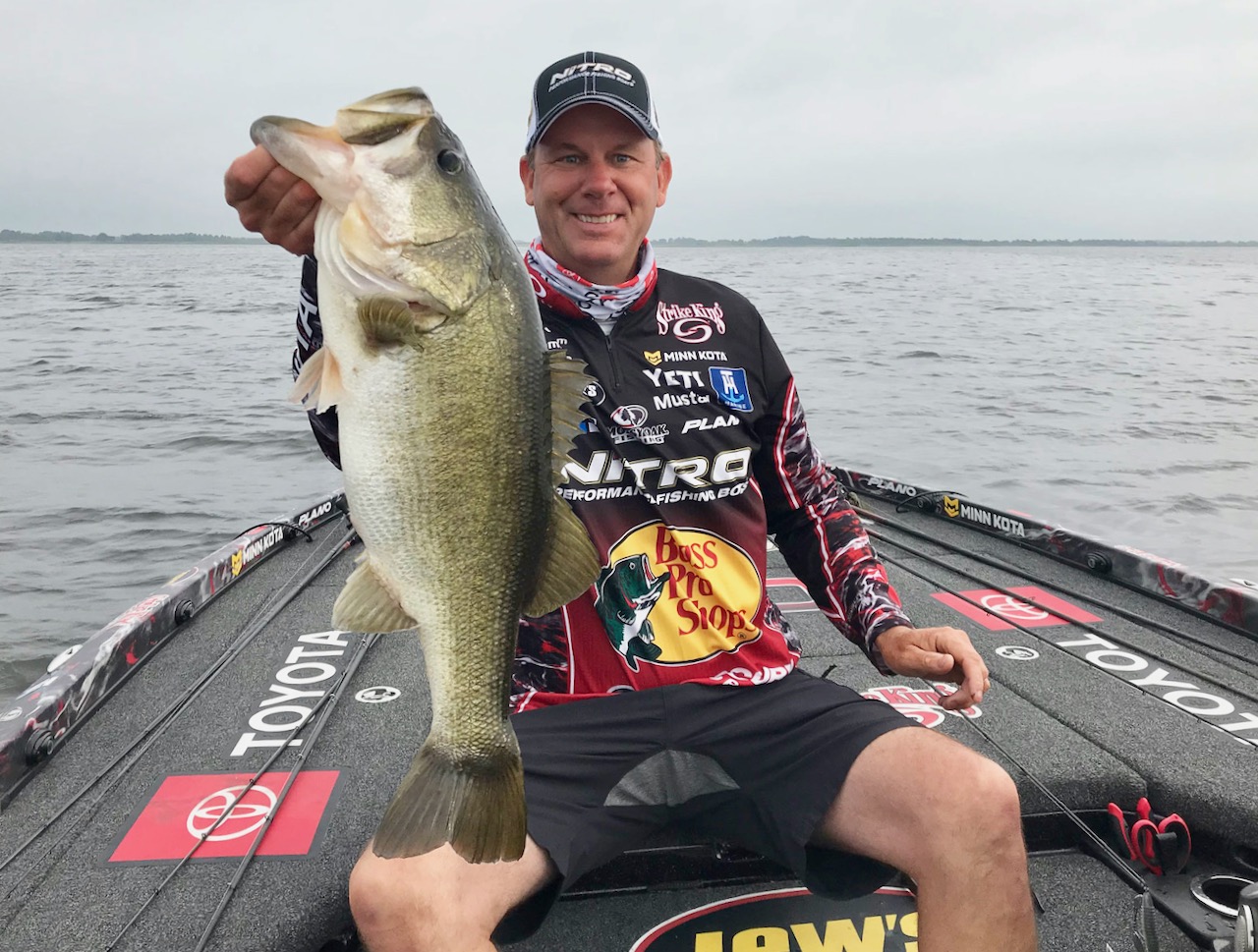 Top pro Kevin Vandam finds fish with a fast presentation, then slows down to cash in
TACTIC #1 POWER FINESSING
I’ve been lucky to share a boat several times with legendary bass angler Kevin VanDam, the winningest pro in tournament fishing history. VanDam is renowned for his relentless style of run-and-gun power fishing, criss-crossing a lake at full speed, firing machine gun-like casts with fast-moving spinnerbaits, crankbaits and jerkbaits and retrieving them quickly on an erratic horizontal plane. One time, I watched him make four precise casts—count ’em, four—to each side of a standing flooded tree before pulling up the electric motor and rushing on. He fishes so quickly that you’re practically out of breath just watching him work.
Advertisement
Another time as VanDam prepared for a Bassmaster Classic—he has won four of them—I played a word association game with him and asked what popped into his mind when I said “shaky head,” a finesse presentation that’s the antithesis of his power style of fishing. “It is hard to beat, man” he said, laughing. “It is probably my go-to back-up to my power pattern. I’ve got a ton of confidence in it.”
You could have picked me up off the boat deck when he said that. I mean, that’s like mixed martial artist Conor McGregor telling you he enjoys ballet dancing between UFC title fights. What’s not surprising, however, is that VanDam has emerged as the consummate power-finesse angler. It sounds contradictory, but it’s the way you want to go about fishing in the fall for everything that swims. Essentially, power-finesse fishing is all about first finding and catching the fish with a fast presentation, then slowing down to catch even more.
Advertisement
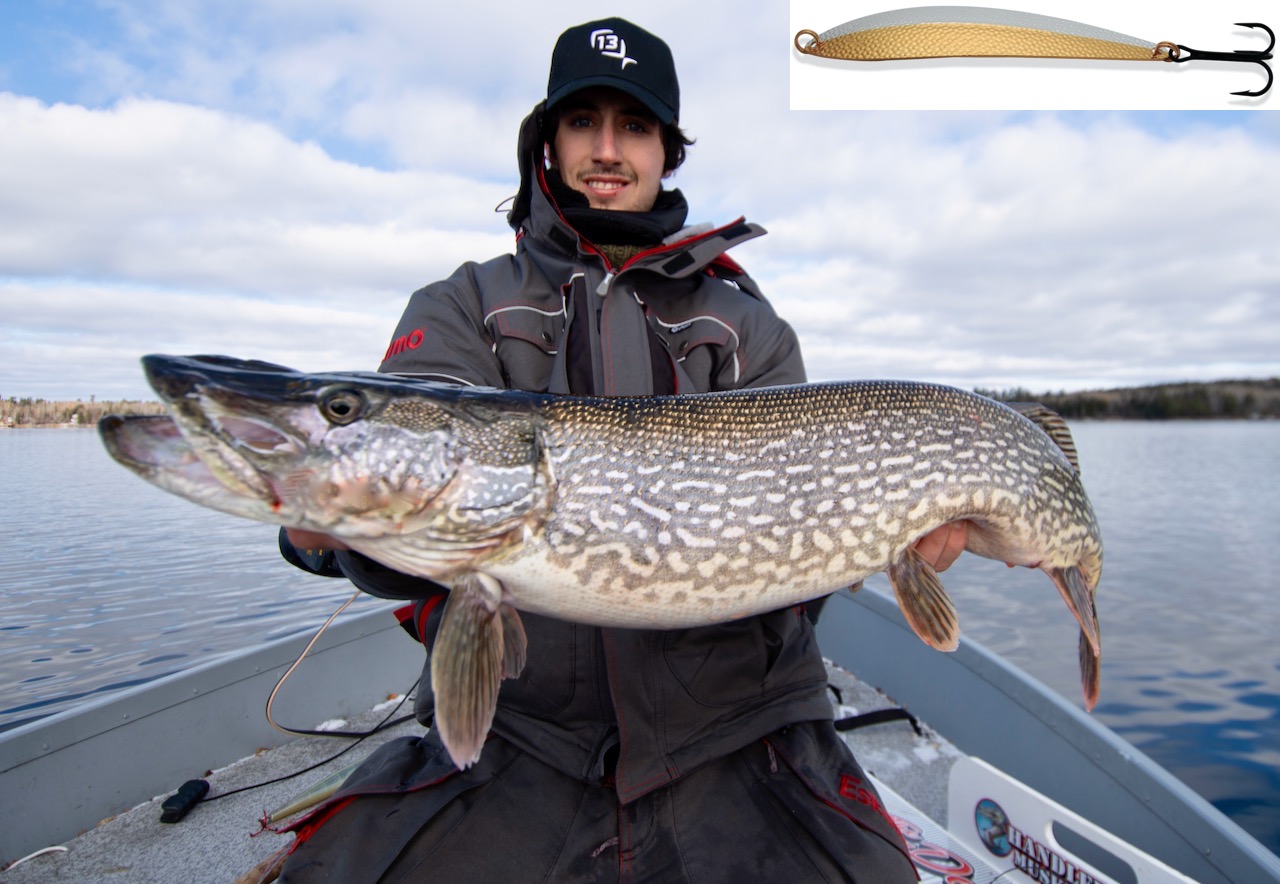 Modify and speed troll a C90 Whitefish (inset) to quickly find northerns
PODS OF PIKE
For trophy fall northerns, for example, I like to speed troll a 1 1/2-ounce Williams C90 Whitefish spoon behind a two- to six-ounce bead chain sinker. I also remove the treblehook and replace it with a single siwash hook, which I dress with the likes of a six-inch white Twister Tail. It’s the most efficient way I’ve found to quickly cover water and find pods of big toothy critters.
After catching a behemoth, I’ll retrace my path in the confined area until the action slows down. Then I’ll stop, put down my bow-mounted electric motor, and catch even more pike with a white 10-inch Water Wolf tube or Bondy Bait. And if I see a fish show up below the boat on the sonar screen, I’ll drop down the bait and hop it to get the fish to bite.
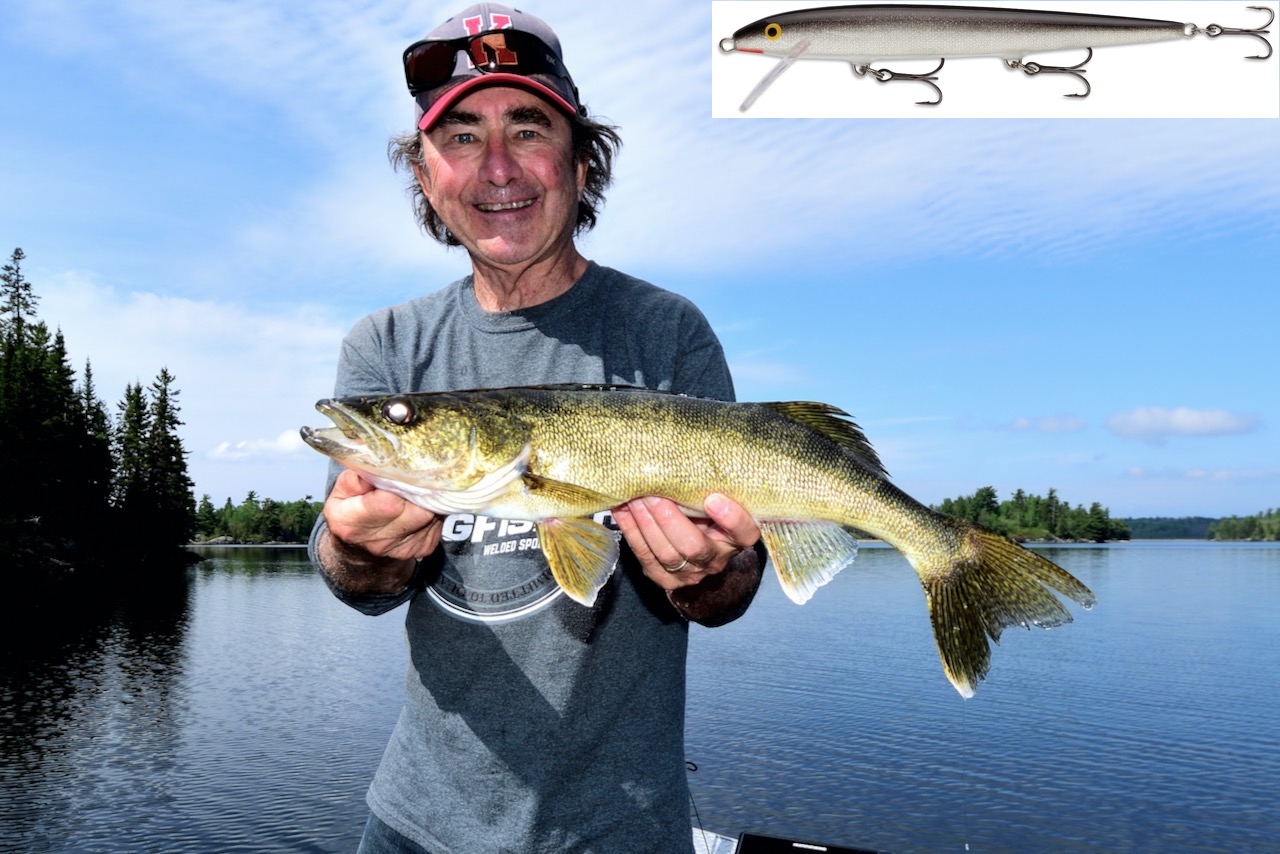 The author trolls an Original Floating Minnow (inset) on leadcore to find walleye
WALLEYE ON THE MOVE
I rely on a similar approach to catch fall walleye, but instead troll a seven-inch Rapala Original Floating Minnow (in black and silver) or Nishine Erie 95SD BPB Smelt on leadcore line. I got onto this pattern several years ago while filming In-Fisherman television shows with host Doug Stange on cold, wet November days on Lake Ontario’s Bay of Quinte. We’d troll until we caught a trophy-sized marble eye, then waypoint the open-water location and check the amount of line we had out to pinpoint the depth at which the fish was cruising.
To mop up, we’d then hit the Spot-Lock feature on the electric motor and cast one-ounce saltwater bullet head jigs dressed with six-inch paddletail swimbaits. Counting them down to the precise depth before swimming them home, we would quickly pull several husky walleye out of the tightly knit schools before the fish moved on. Then we’d repeat this one-two, power-finesse knockout punch throughout the day. The action was insane, yet we never saw anyone else stop trolling to cast instead.