


TACKLE TRICKS
Spend more time fishing with these simple gear management tips
Advertisement
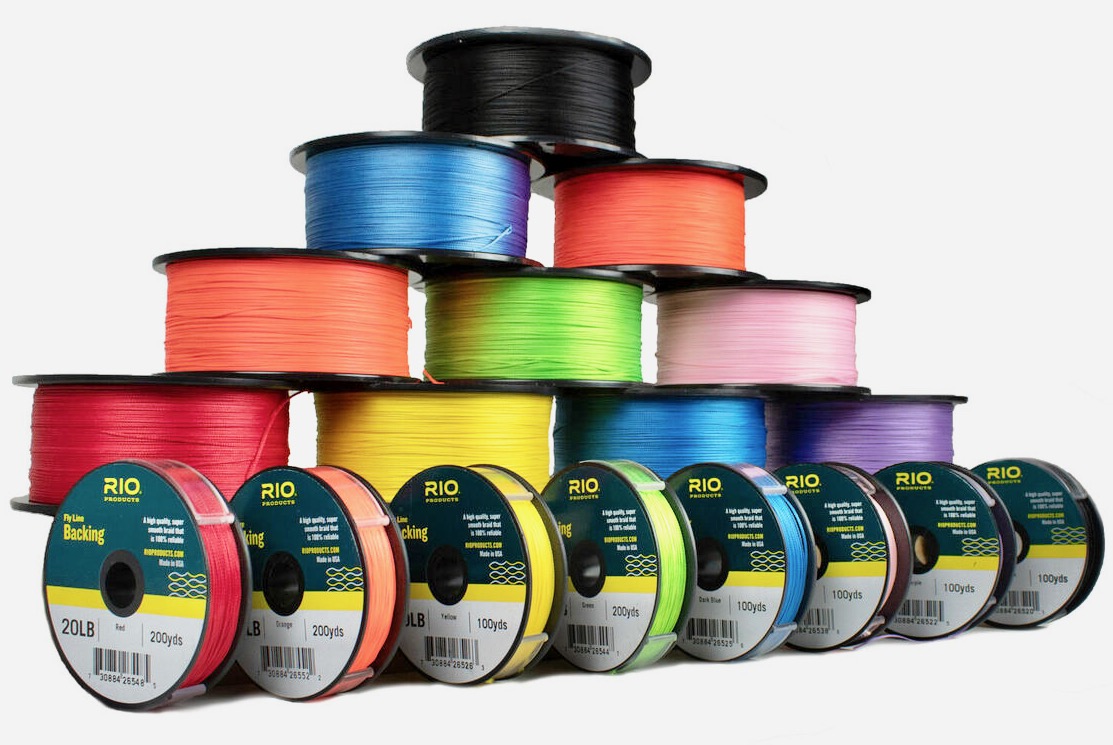 Installing the correct length of backing can be vexing
#3 BACKING
Backing is the light braided line that connects your fly line to the reel, extending the fly line’s length in case a fish makes a long run. In reality, that’s pretty rare. Mostly backing acts as filler to increase the size of your spool, so you can reel in line more quickly. For the best performance, you want to install just enough backing so that when the fly line is reeled all the way in, the reel is almost full. For years, I did this through a maddening process of trial and error, repeatedly unreeling line to add in or cut out backing until it fit correctly.
Then I learned the reverse-measuring trick. First, wind the fly line onto the empty reel. Then crank backing onto the reel on top of the line until your spool is almost full. Cut it, and you’ve got the perfect length. Now unwind the backing and line onto their respective original spools, and reinstall them in the correct order, with the fly line on top. I know this sounds laborious, but it’s guaranteed to work perfectly in one shot.
Advertisement
Another hack: Rather than unwinding 150 or 200 yards of backing by hand, I run a bolt through the centre hole of the backing spool, then spin it with my electric drill.
#4 RODS
I’ve busted three fly rods and witnessed several others taken out, all in predictable and preventable—and non-fishing—mishaps. As a result, I’ve developed strict protective protocols. First, never keep loose rods in a vehicle. They’re just too vulnerable, as I discovered years ago when a crate of camping stuff shifted and took out a beloved 5-weight. Instead, secure your rods in a rack or keep them in their cases. Next, use extreme caution around those ancient enemies of the fly rod: doors. That includes doors on buildings, and doors on vehicles, especially trunks and tailgates.
Another excellent way to break a rod is by stumbling when getting in or out of a boat. To avoid that, hand your rod to someone or set it down in a safe place before making your move. When hiking with a rigged rod, meanwhile, hold it butt first. That may feel a little unnatural, but your body is much sturdier for clearing branches out of the way than your rod. And if you trip, you’ll almost certainly fall forward and instinctively put your arms out; it’s much better that the reel and butt hit the dirt instead of your rod tip.
Advertisement
Strictly speaking, none of this will make you a better fly angler—that requires practice and experience. But taking care of your gear does save on frustration, helping ensure you make the most of your precious time on the water. And that’s what it’s all about.