


THE MAGNIFICENT 7
Stock your fly boxes with these essential western trout patterns
Advertisement
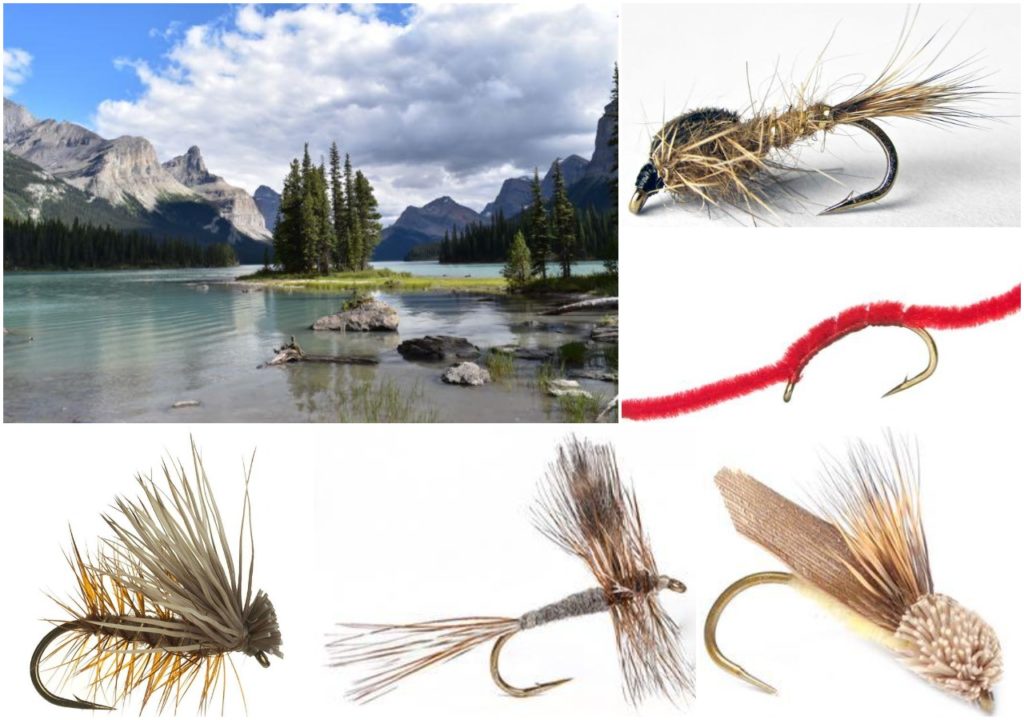
What are the West’s top must-have flies for trout? To find out, I consulted several of the region’s top fly fishermen. And though opinions varied, I was surprised by how often the choices aligned. Even when there was disagreement, it was usually only about variations on a pattern. And there was unanimous agreement that western trout flies need to be general in appeal, representing a wide variety of insects. Enter the following seven essential patterns. If you plan on tying up a storm this winter, these are flies you should have in your vest once spring arrives.
Advertisement
Looking for more even new flies? Check out our running list of the all-time best flies for Canadian anglers at www.outdoorcanada.ca/musthaveflies. And you can see all of Outdoor Canada’s expert fly tying tips at www.outdoorcanada.ca/flytyingtips.
ADAMS
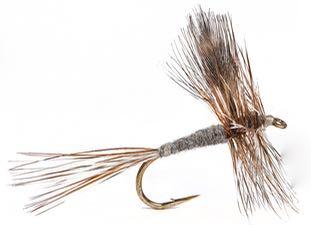
This should be the first dry fly that all tiers learn. It has all of the classic elements of a dry: spun hackle, upright wings and a long tail. Once you master the Adams, all dry flies will be relatively easy to tie. While not a perfect imitation of anything, the Adams is the ultimate generalist any time mayflies are hatching. In fact, any time there are bugs on the surface of a lake or stream, the Adams will produce. It just has that ideal neutral shade that appeals to trout in a host of conditions.
When I first moved to Alberta and didn’t know about western hatches, I fished the Adams everywhere, from tiny brook trout streams to big rivers to high-mountain lakes. It was a good thing I didn’t know much, because the Adams caught fish everywhere, and it’s still my most-used dry fly. The key is carrying a wide range of sizes, and keeping the fly well coated in silicone floatant—the higher it rides on the water, the more effective it is.
Advertisement
HOOK: Standard dry fly, sizes 10 to 20
THREAD: Grey
Advertisement
TAIL: Mix of grizzly and brown hackle barbs
Wings: Grizzly hackle tips
BODY: Grey dubbing
HACKLE: Mix of grizzly and brown, dry-fly quality
CATATONIC LEECH
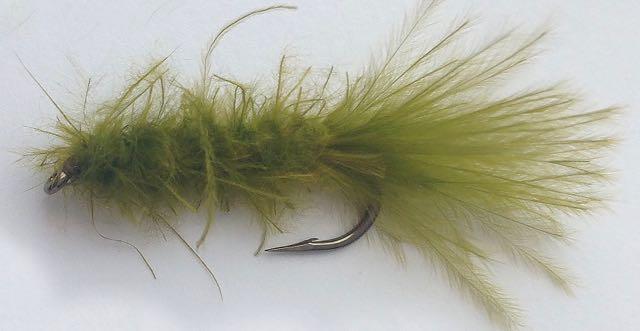
If you’ve never heard of this leech pattern before, don’t feel bad—it’s uniquely Albertan. It arrived in the mid-1990s and was an instant hit with lake anglers. It resembles a Woolly Bugger minus the hackle wrapped around the body, making it simple to tie. The fly gained its name from the manner in which it’s fished: motionless, as if it were in a catatonic state.
Fishing the Catatonic Leech is as close to bobber fishing as fly fishing gets. You rig the fly four to six feet beneath a strike indicator, cast it out and just let it sit. Some anglers twitch the line every couple of minutes, but that’s more about breaking the boredom than increasing their success. This is the ideal early-season fly when there’s little or no insect activity. Just after ice-out, trout have a frustrating habit of taunting anglers by aimlessly cruising around the lake, refusing everything thrown at them. But this fly seems to be just too much for them to resist. Although you can’t count on non-stop action with the Catatonic Leech, it sure can save the day on a spring outing.
HOOK: Streamer, sizes 10 to 14
THREAD: Olive, 6/0 or 8/0
TAIL: Olive marabou
BODY: Olive marabou dubbed onto thread