


WET-WEATHER WALL-HANGERS
Rainy days often offer the best chance to connect with giant white-tailed bucks. Here’s how to ensure a full freezer is in your late-fall hunting forecast
Advertisement
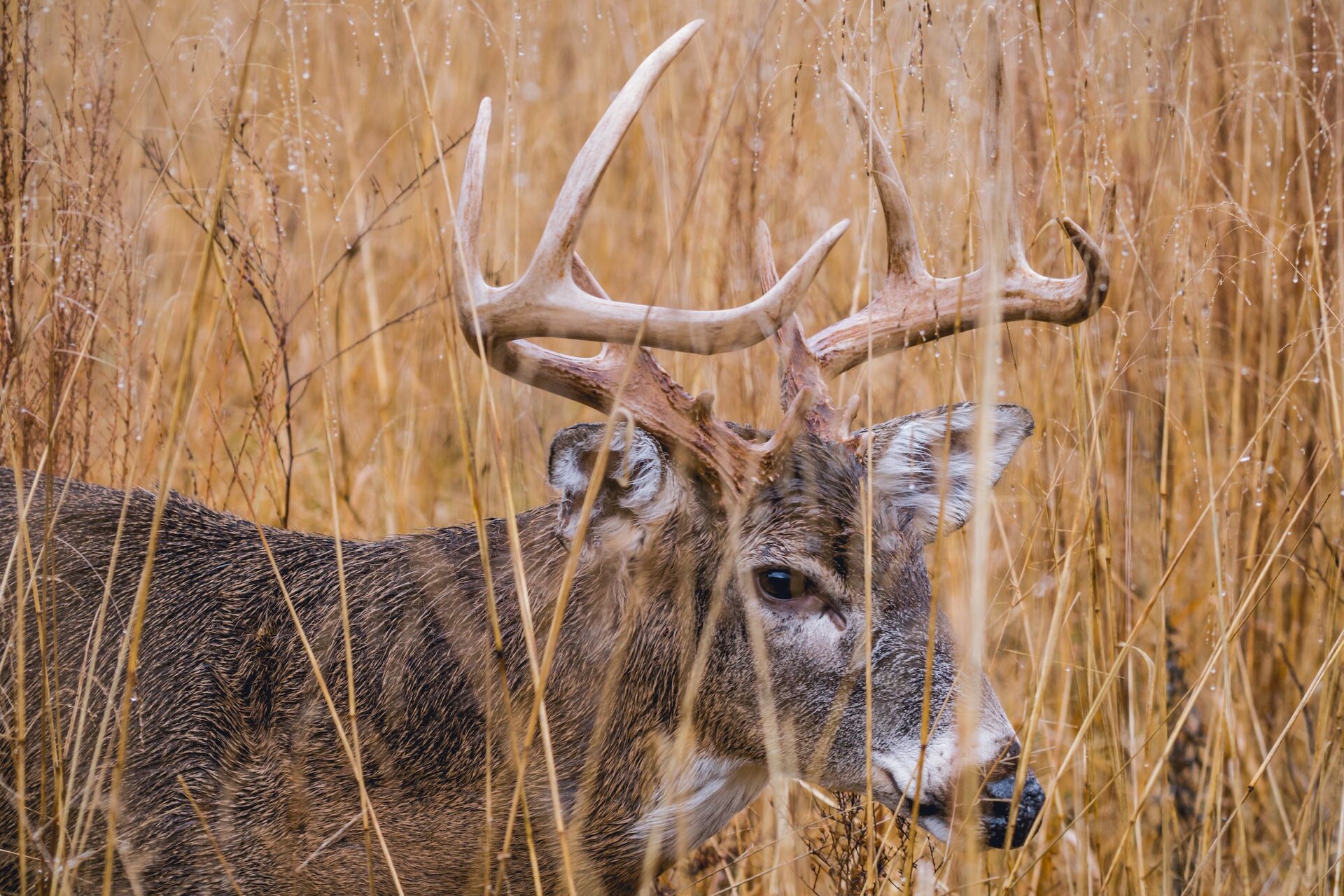 Photo: Anthony Roberts/Unsplash
Mature white-tailed deer are creatures of habit, and aside from during the rut, they follow relatively predictable travel routes among bedding areas, preferred food sources and secretive watering holes. Foul weather can influence those patterns, however, and hunters who are prepared accordingly have a better chance of putting eyes on a big buck. That’s especially the case when it comes to soggy late-season days.
It’s easy to view rain as a barrier, but the experienced whitetail hunter knows damp days are often when the biggest bucks feel less threatened and make their rare daytime appearances. To master the art of hunting in the rain—and boost your odds of tagging the bruiser buck of your dreams—keep the following 20 key pointers top of mind.
Advertisement
#1 LESS PRESSURE
It’s no surprise most hunters stay home or in camp when the weather becomes moody. For mature bucks, on the other hand, wet weather can translate to safety in their woodland home. They’ve learned, through the lack of encounters over the years, that people don’t wander out when it’s wet. That leads them to let their guard down and move around more during daylight hours.
#2 DEER CONFIDENCE
Advertisement
Along with deer not expecting to encounter humans on days with light to moderate rain, the wet conditions also mask their sound as they move through the forest. That boosts the confidence of even the wariest bucks, leading to more daylight movement in the trusted areas of their home range.
#3 STEALTHIER APPROACH
Rain helps mask your scent while also providing cover noise. As a result, rainy days enable hunters to silently sneak to and from their treestand or ground blind.
#4 VISUAL HUNTING
With the soggy ground masking the sound of approaching deer, hunters need to remain extra alert and rely primarily on their eyesight to pick up movement in the saturated forest.
#5 PEAK PERIODS
Even when it’s raining, timing remains relevant, with peak deer activity still coming at the beginning and end of the day. On wet-weather days, however, deer will leave their daybeds for longer periods, and spend more time lingering at their favourite food sources.