


POSITIVE CHANGE
How fly fishing continues to evolve, mostly for the better
Advertisement
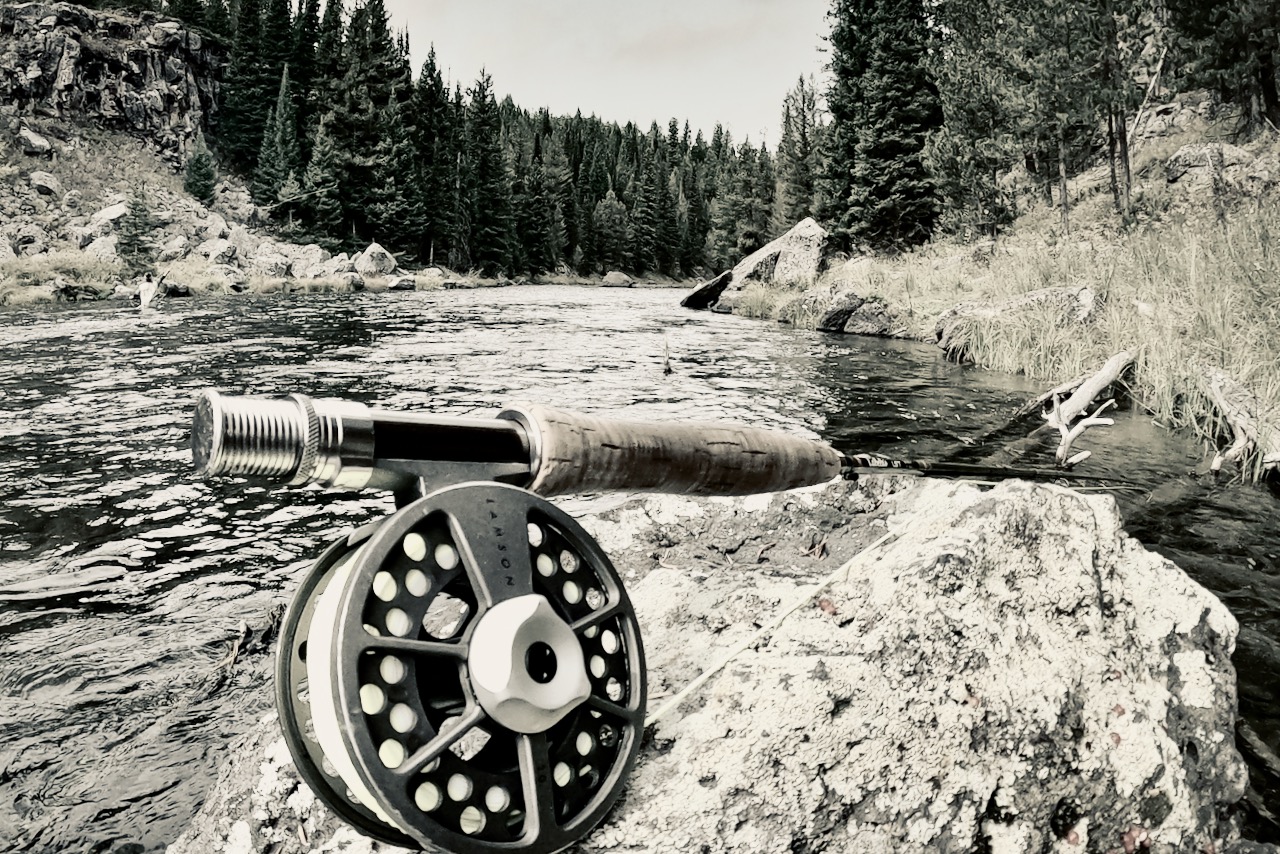 Fly angers from 150 years ago would instantly recognize—and be able to use—modern fly tackle (Photo: Glen Rushton/Unsplash)
One of the coolest things about fly fishing is that it’s been around so long. If a group of fly anglers time-travelled from the mid-1800s to today, they’d instantly recognize our gear and be able to use it. While the overall form of fly fishing remains the same, however, it has been constantly evolving in other ways. This is now my 38th season, so I’ve witnessed many changes in equipment, ideas and attitudes. A few I lament, but most of them I applaud. Here’s my personal take on where fly fishing has been and where, I hope, it’s going…
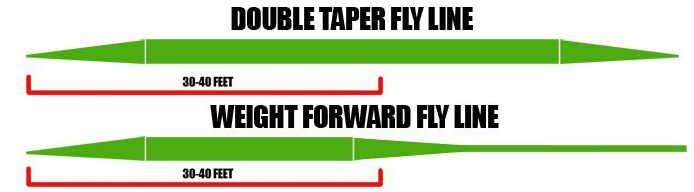 Image: www.completeangler.co.nz
DOUBLE-TAPER LINES
Over the last 30 years, powerful weight-forward lines have replaced the previous standard—double-taper lines—and not always for the better. While weight-forward lines are essential for long casts, windy conditions and delivering large flies, that’s not how most Canadians fish.
Advertisement
For distances of 30 feet or closer, double-taper lines are significantly easier to cast and more accurate than weight-forward lines. They also mend much better. Double-taper lines start thin, gradually widen to the midpoint, then taper down again in a mirror image of the front half (above). And once the front end of a double-taper line wears out, you can reverse it, giving you two lines for the price of one.
Double-taper lines are wildly out of fashion these days, however, and many novice fly anglers have never even heard of them. But if you mostly fish smaller rivers, double-taper is still the best choice. I love the weight-forward lines on my bigger rods, but they’re a hammer, and in a lot of fly fishing, you’re better off with a scalpel.
PFLUEGER MEDALIST
Black, with a distinctive cream handle, the Pflueger Medalist was a plain, yet oddly elegant reel made in Akron, Ohio, and sold at hardware and sporting goods stores everywhere. I’d wager that between the 1930s and the ’80s, half of North America’s fly anglers had one. The Medalist was inexpensive and amazingly rugged, and over the decades, its design barely changed. I have one my grandfather bought in 1965. It sat in a shed for 20 years until I started using it, and it still works fine today.
Advertisement
But the Medalist’s time has passed, and that’s okay. What bums me out is that Pflueger launched a new version a few years ago. It was decent, but cheap-looking and too expensive, totally missing the spirit of the original. At least that misfire highlights how much better fly reels have become. Today, $100 will get you a reel that’s smooth and tough enough for even Canada’s biggest gamefish, bringing high performance to the everyday angler. In a way, that’s the true legacy of the Medalist.