



DEKE UPKEEP
Your decoys aren't duping ducks and geese? It’s probably time for some long overdue maintenance
Advertisement
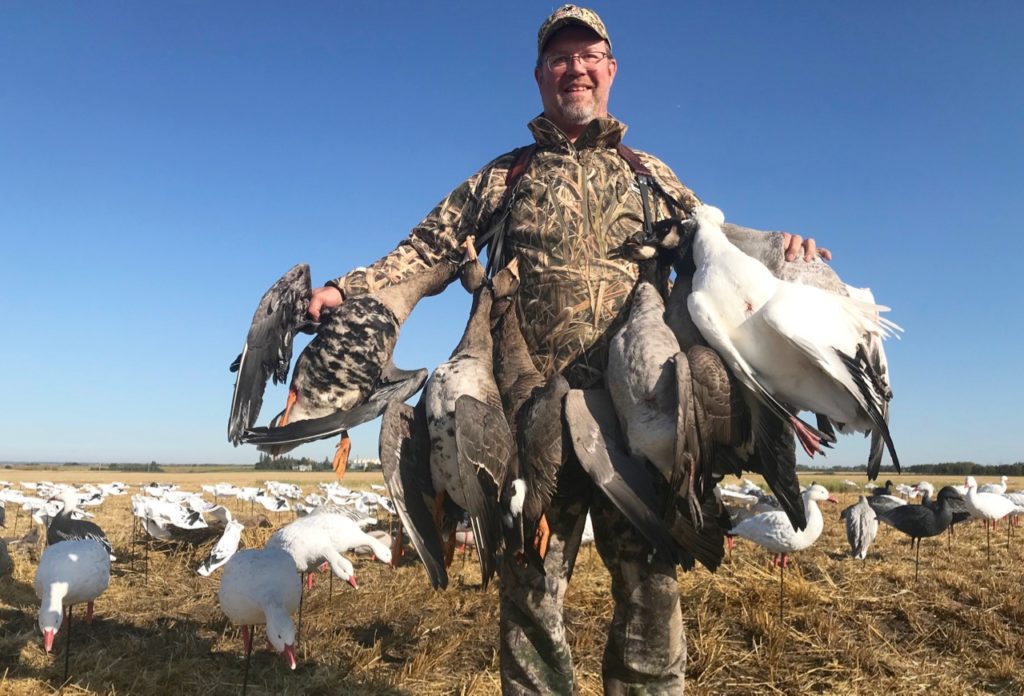
Waterfowl decoys can be expensive, but they’re certainly worth it for luring in ducks and geese—if you keep them looking like the real deal. To ensure your decoys maintain their optimal bird-attracting qualities, it’s important they remain clean and undamaged. Follow these nine maintenance tips and your precious dekes will always be in tip-top shape, ready to do their job.
Advertisement
TIP #1
Include baby wipes in your waterfowling kit so you can wipe clean your decoys if needed at the end of each hunt. You’ll often find blood, bird poop and dirt on the surfaces, but a quick wipe will efficiently remove the mess while it’s still fresh. For dirt and grime that you don’t catch before it dries on, use disinfecting wipes. They have more cleaning power, yet they’re still mild enough that they won’t damage the paint.
TIP #2
Wear gardening gloves so you can quickly pull any dirt or mud off your decoy stakes at the end of the hunt. That way, any grime won’t end up on your decoys (and gloves are certainly a lot easier to clean than dozens of dekes). To doubly ensure the decoys remain clean, store the stakes separately.
Advertisement
TIP #3
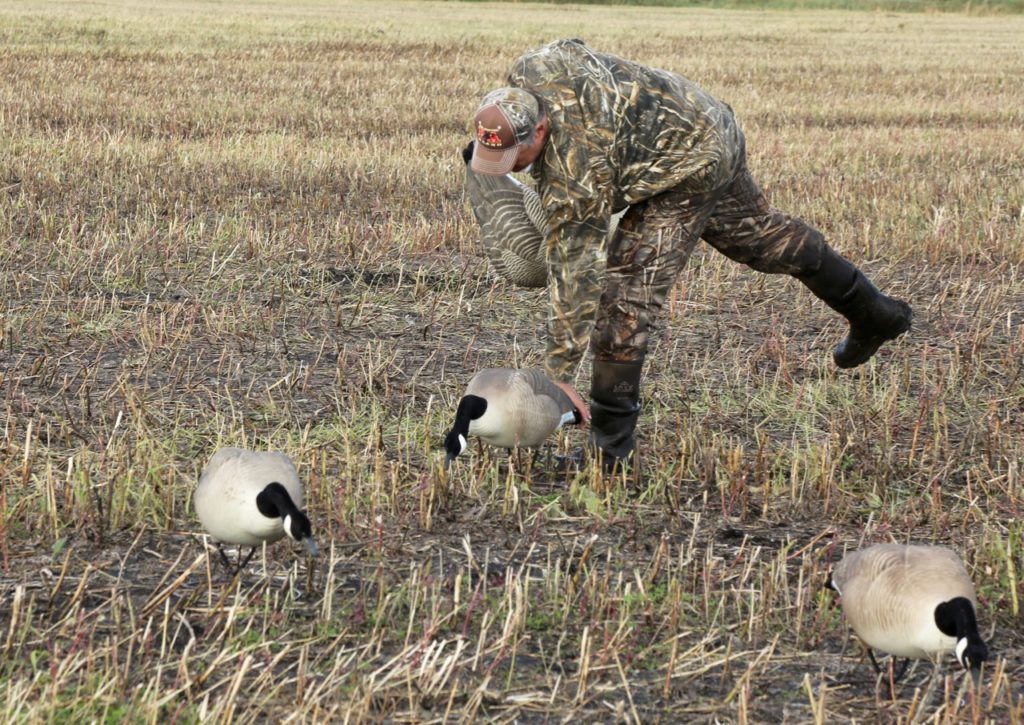
When packing away your spread, keep the decoys off the ground so they don’t get wet or dirty. This is especially important with sock decoys. If others are helping you, have one hunter pick up the decoys while another packs them directly into their storage bag. That way, the dekes will stay as clean as they were when you first set them out.
TIP # 4
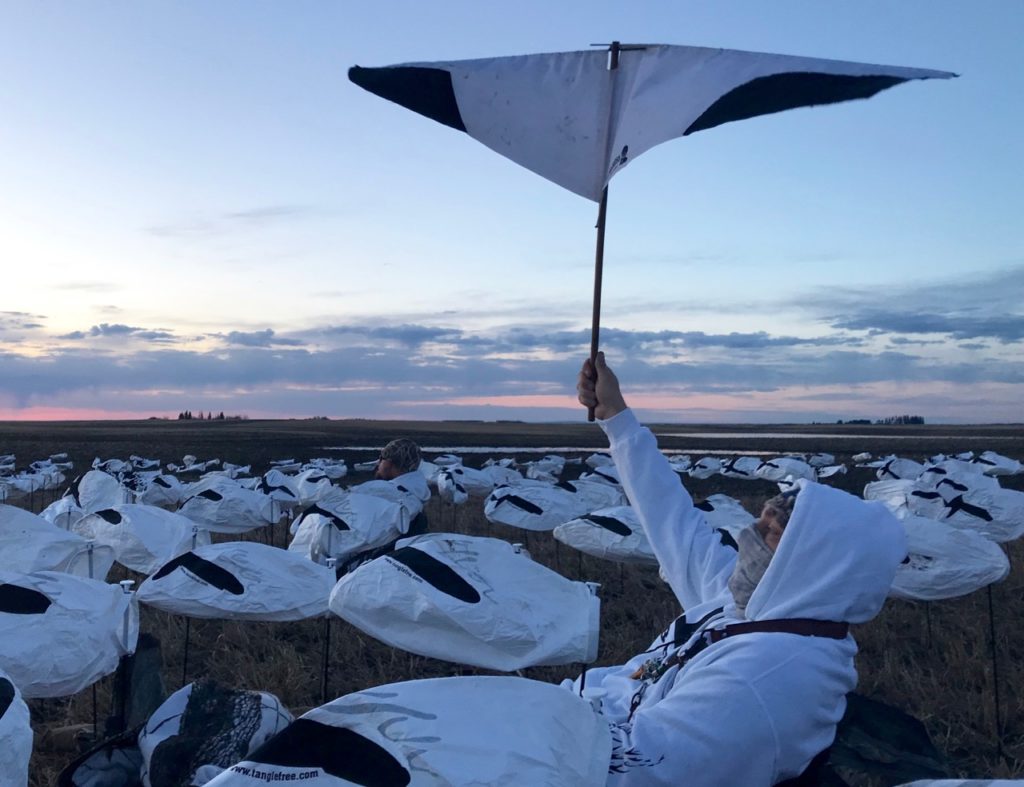
Dry off any wet decoys after your hunt to ensure they don’t grow mould or mildew. Sock decoys are particularly susceptible to holding moisture, so make sure to air dry them in the breeze at home before bagging them if they get damp from rain, snow or dew. If the weather doesn’t permit you to air dry them, open up the storage bags in a dry place where they can breathe until the weather changes.
DEKE UPKEEP TIP # 5
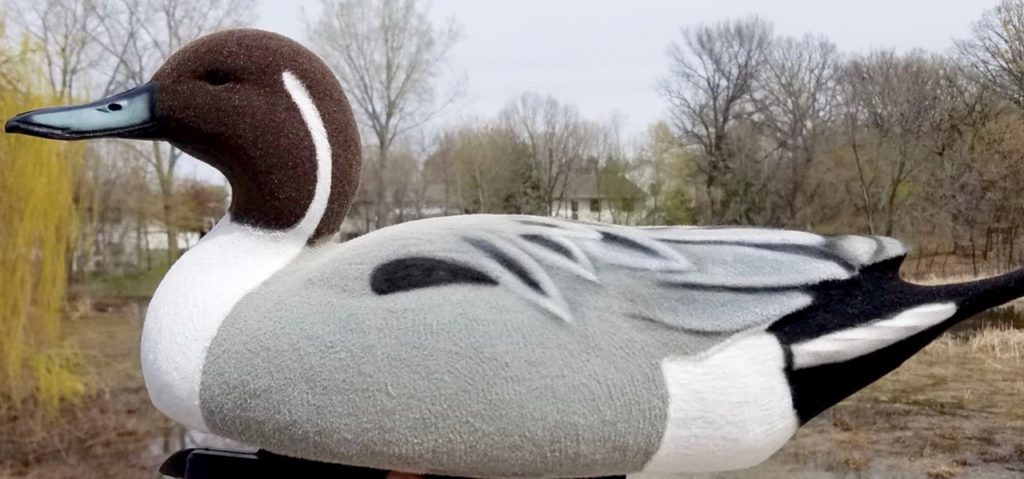
The paint on full-bodied decoys often gets chipped and scratched, so one quick fix is to apply flocking, a fuzzy, textured coating that looks realistic and prolongs the lifetime of your investment (kits are available for this). The flocking also helps flatten shiny frost and the sun’s reflection on bluebird days. Decoys that already have flocking can be touched up at the end of each season to help keep them looking like new.