

FLY FLUBS
9 great ways to make sure you stay a mediocre fly angler
Advertisement
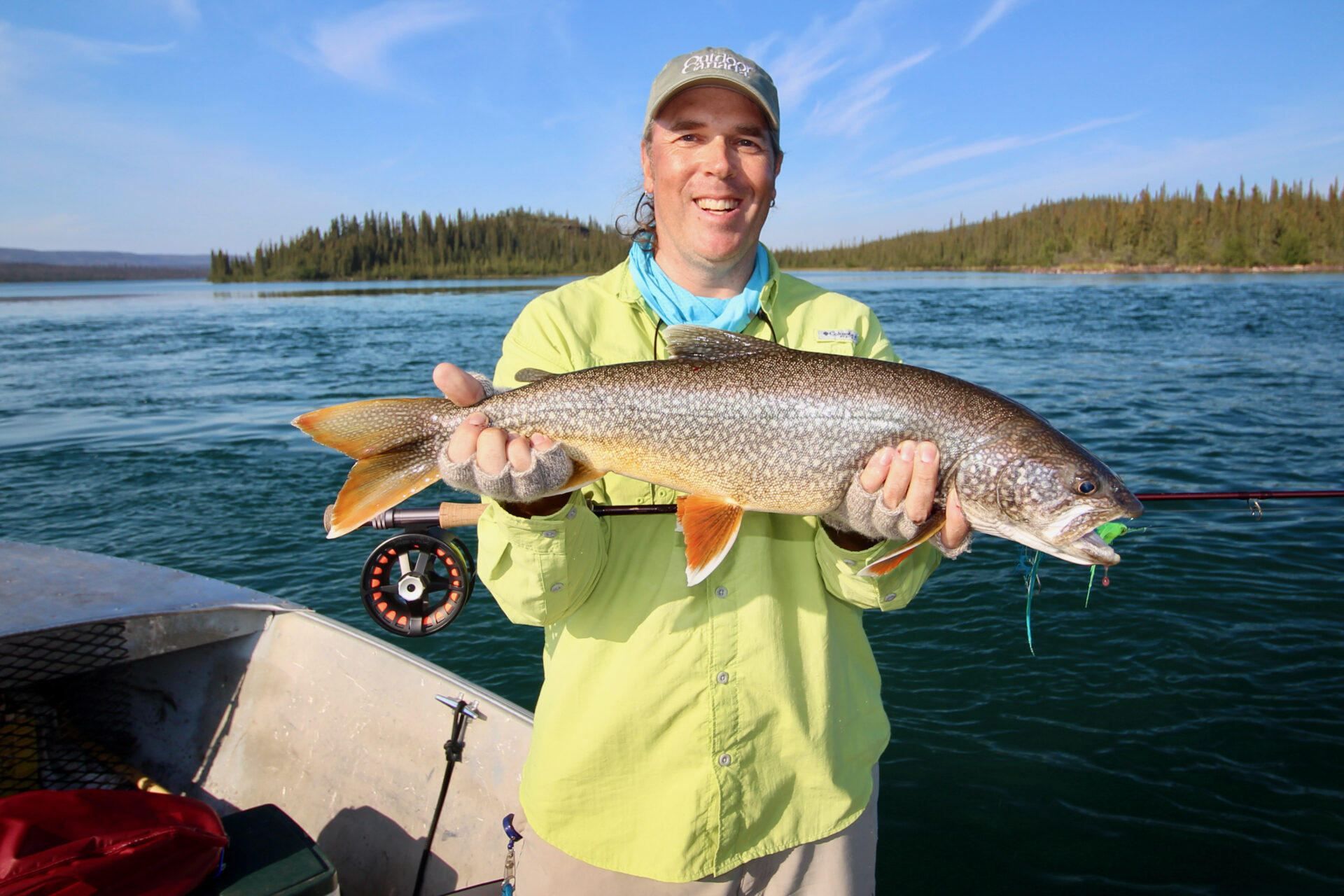 Improved fly-fishing skills open the door to new experiences
As a fly fisherman, I came out of the gates pretty hot, landing a bunch of brown and rainbow trout my first time on the water. It was June of 1985, and I was 15 years old. The biggest was about eight inches long, but they were fish, caught on flies I tied myself. Over the next few seasons, I went on to land a few more trout, lots of panfish in ponds and respectable bass on family camping trips. I could cast 25 feet with a mere two false casts, and well over half of my casts landed on the water. Plus, I hardly ever hooked myself. And that’s about where I stalled for the next 20 years.
Then one spring, some fly-fishing acquaintances invited me to fish a serious river. This led to three life-changing revelations. First, although I loved fly fishing, I clearly wasn’t very good at it. Second, it would be a lot more enjoyable if I got better. And finally, I realized this would take some work. So, I took lessons, found mentors and slowly got better. It wasn’t work, either. There were setbacks and frustrations, but my ongoing journey to competence has been hugely rewarding.
Advertisement
I’ve now fly fished in many interesting places, and learned from highly skilled guides and experts. I’ve met many folks who are where I was 20 years ago—they’d like to get better, but aren’t sure how. I’ve also fished with some pretty hapless fly anglers, and learned from them, too. In fact, those lessons may be the most vivid of all—if you would also like to spend your life as a chuck-and-duck fly flinger, falling far short of your potential, here’s how to do it…
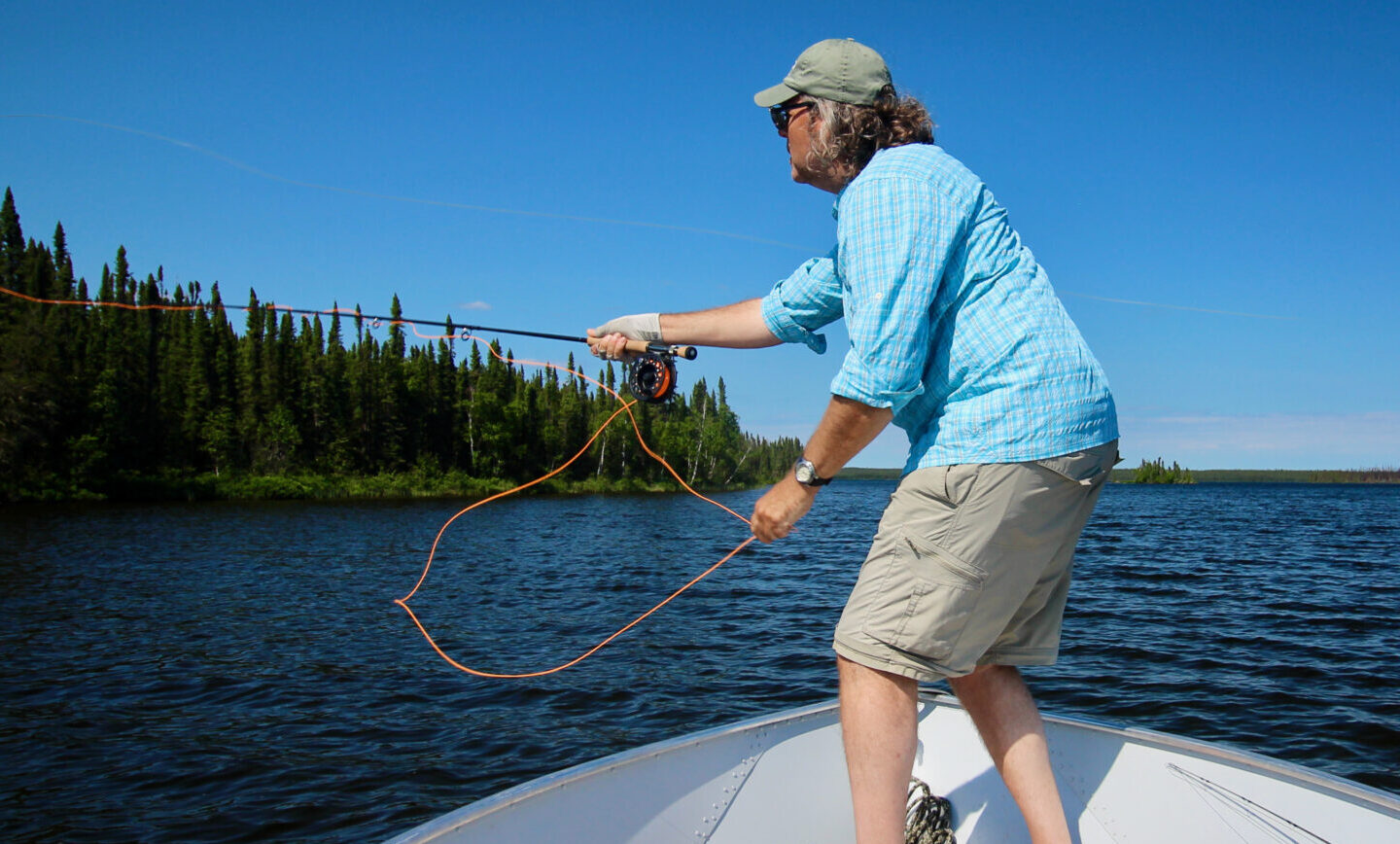 Strive for consistent and accurate casting
#1 Never work on your casting
Fly casting is easier than people think. If you can throw a frisbee, you can learn to fly cast in an hour. Once you’re able to bloop out 20 feet of line, you can catch fish in small rivers. If that’s your goal, congratulations—you’re a fly angler. But to cast instinctively and effortlessly, land flies where you’re aiming and fish bigger water for bigger fish, you’ve got to hone your skills. Decent casting isn’t everything in fly fishing, but it’s essential to move beyond the basics.
Raw distance isn’t especially important, but improving consistency and accuracy will get your fly in front of a lot more fish. There are a dozen problems and bad habits that stand in the way of this, such as poor timing, overpowering the forward cast, rod creep and false casting too much. If you really want to improve, take lessons from a pro. These experts can easily diagnose your difficulties, and show you how to fix them.
Advertisement
Once everything is working, you’ll be amazed to discover the power and grace that was hiding in your fly rod all along. But the fixes won’t stick unless you practise. Golfers go to the range and hit a bucket of balls because it’s fun and helpful. Fly casting can be the same. Simply find some green space, set up your rod and practise. Just 20 minutes every couple of weeks can do wonders. Plus, it’s fun to play with your toys.
#2 Immediately plunge into the water and start fishing
I’m always astonished to see so many anglers hike to the water and, almost without breaking stride, wade right in and start casting. On one level, I get it. Fishing time is precious, and you want to make the most of it. But leaping in before looking can result in bad fly choices and botched presentations. I’m not saying you’ve got to stand on the bank dithering like grandma trying to pick a donut at Tim Hortons. This is just a “measure twice, cut once” scenario.
Advertisement
Rivers are always changing, so at each spot, take a minute or two to observe and assess current flows, insect activity and rise patterns. Then think about where you want to put your fly, where you should stand to make that happen, and how you’ll fish it when it lands. This gives you the best chance of success. You’re also less likely to spook fish with unnecessary wading and excessive casts.
#3 Let your fly take care of itself
Landing a fly in the right place is satisfying, but to fish it well, that is just the beginning. Sometimes you get lucky, and the fly has a long, unassisted natural drift. However, a river’s flow is complex. More often, there are multiple current speeds between you and your fly, and they quickly affect your line and leader, making the fly move unnaturally.
To ensure your fly moves naturally, you need to mend the line. That is, reposition it with your fly rod. Mending is so useful, that almost every cast—especially with dry flies or nymphs—should be followed by a mend. This ensures or extends the fly’s natural drift. Mending usually involves a simple semi-circular flick of the rod tip. It’s not hard, but it’s best learned on the water, where you can see how the line and fly respond to what you’re doing.
Until you can mend reasonably well, you won’t catch much on dry flies and nymphs. Once mending clicks, however, it becomes second nature. There’s also a workaround, which I used for years: only fish wet flies and streamers. These pattern imitate swimming forage, so they don’t require natural drifts—or mends.