


ARCHER ANGLING
A bowfishing primer for hunters looking to get their feet wet
Advertisement
A fast-paced pursuit requiring spotting, stalking and shooting, bowfishing blends the skills of hunting with the thrill of the catch. Here in Canada, common carp and other rough fish offer unlimited opportunities for bowhunters of all skill levels. These fish can tip the scales at 30-plus pounds, so your bowfishing gear must be capable of landing such behemoths. Here’s what you need to get started.
THE BOW
Advertisement
Some bowhunters use a hunting bow as their foundation for bowfishing, but water and mud can damage a precision-tuned bow. And here’s the thing: since most shots in bowfishing are at close range using a heavy arrow, the bow doesn’t need to be overly accurate or powerful. So, don’t hesitate to buy an older, used bow for going after fish. Draw weights between 30 and 50 pounds will effectively puncture tough carp scales.
Recurve bows are a bombproof choice, but they require more physical effort at full draw. Compound bows, on the other hand, offer greater speed and penetration, and the let-off is less tiring. There are pros and cons to both, with the choice coming down to simplicity versus speed—and personal preference.
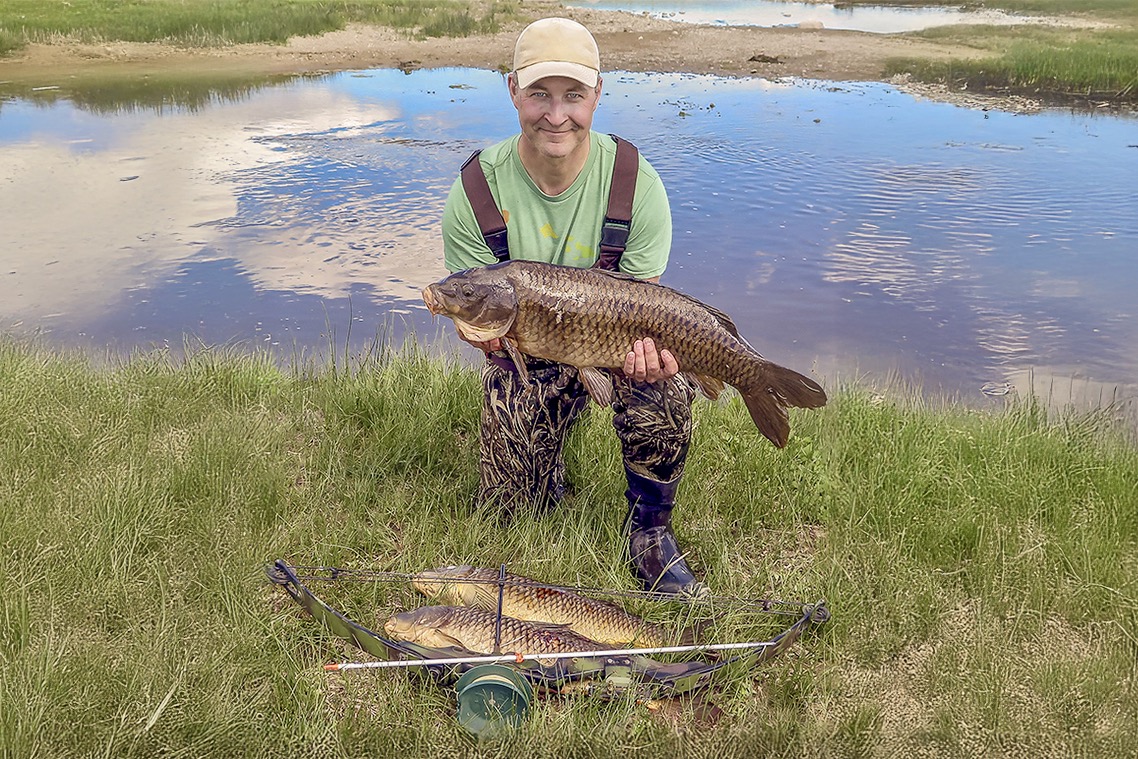 Tough fish call for a sturdy rig
THE REEL
Advertisement
For accommodating the fishing line, drum reels are an inexpensive and easy-to-use starter option. The line is simply hand-wrapped around a circular drum affixed to the bow; once the arrow is released, the attached line follows as it spools off the drum.
Bottle reels, meanwhile, hold the fishing line in a bow-mounted container, complete with a reel for retrieving the line after shooting. Also known as retriever reels, they help prevent tangles, but the lack of a drag system makes it tougher to reel in big fish.
The third option is a closed-face spincast reel, which works by pressing a button to release the line before shooting. They feature a drag system, and typically reel in faster than the other reels.
THE LINE
Bowfishing requires a strong line to recover both the fish and the arrow. Braided line is tough and abrasion-resistant, making it a solid choice for rough fish, as is polyester Dacron line, which is slightly stiffer and smoother; it lays neatly on the reel and resists wear. Anything in the 50- to 80-pound range is adequate for freshwater bowfishing in Canada.
THE ARROWS
Most commonly used for bowfishing are relatively inexpensive and durable fiberglass arrows. They stand up to hard use, and their hefty weight helps penetrate tough, scaly fish. Fiberglass arrows fly differently than typical hunting arrows, however, so it’s a good idea to practice by shooting submerged targets. Be sure to aim low, as water refracts light, making fish appear shallower and closer to the surface than they actually are. Rigged properly, fishing arrows include a safety slide that keeps the line in front of the bow to avoid dangerous snap-backs.
Your rig should include a specialized arrow rest to hold fishing arrows. A roller-type rest is simple yet effective, while other options include circular and drop-away rests. You can also simply support the arrow on the bow shelf. As for bowfishing arrowheads, they’re designed to penetrate and hold fish, with most featuring barbed points.
THE ACCESSORIES
A traditional bowfishing rig needs no sights, releases or stabilizers—just a bow, reel and some fishing arrows. Bowfishing combo kits, such as those from Cajun Bowfishing (www.cajun-bowfishing.com) are an easy way to get started. Beyond the basics, the following accessories can help enhance the experience. Just be sure to choose your extras wisely so you don’t get weighed down with too much gear. After all, a successful day of carp fishing can yield hundreds of pounds of fish.
- Instinctive shooting eliminates the need for sights, though some compound bow shooters add a simple pin sight.
- For long days of stalking fish in the shallows, a high-performance pair of waders is a godsend.
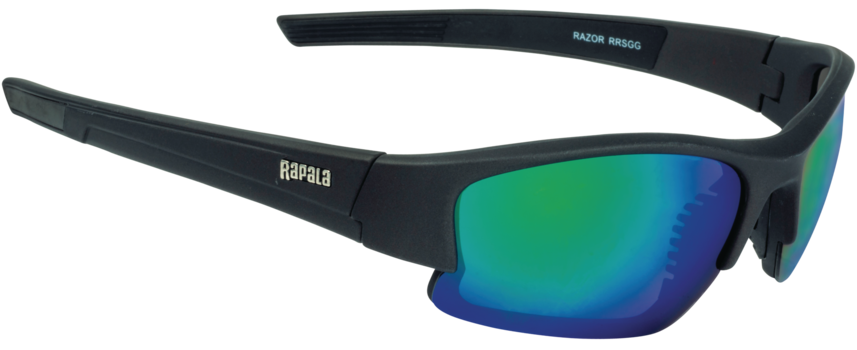
- Polarized sunglasses are a must for spotting fish, cutting glare in murky water.
- A corrosion-resistant fixed-blade knife in a clip-on sheath is handy for cutting line or removing stuck arrows.
- Other extras include a landing net or gaff, gloves and a fish scale (for bragging rights). An inflatable PFD is also a good idea. It won’t get in the way when you’re drawing your bow and, well, you just never know.