


WHERE’S WALLEYE?
June can be a tricky time to find and catch walleye. The key is understanding what motivates their post-spawn behaviour
Advertisement
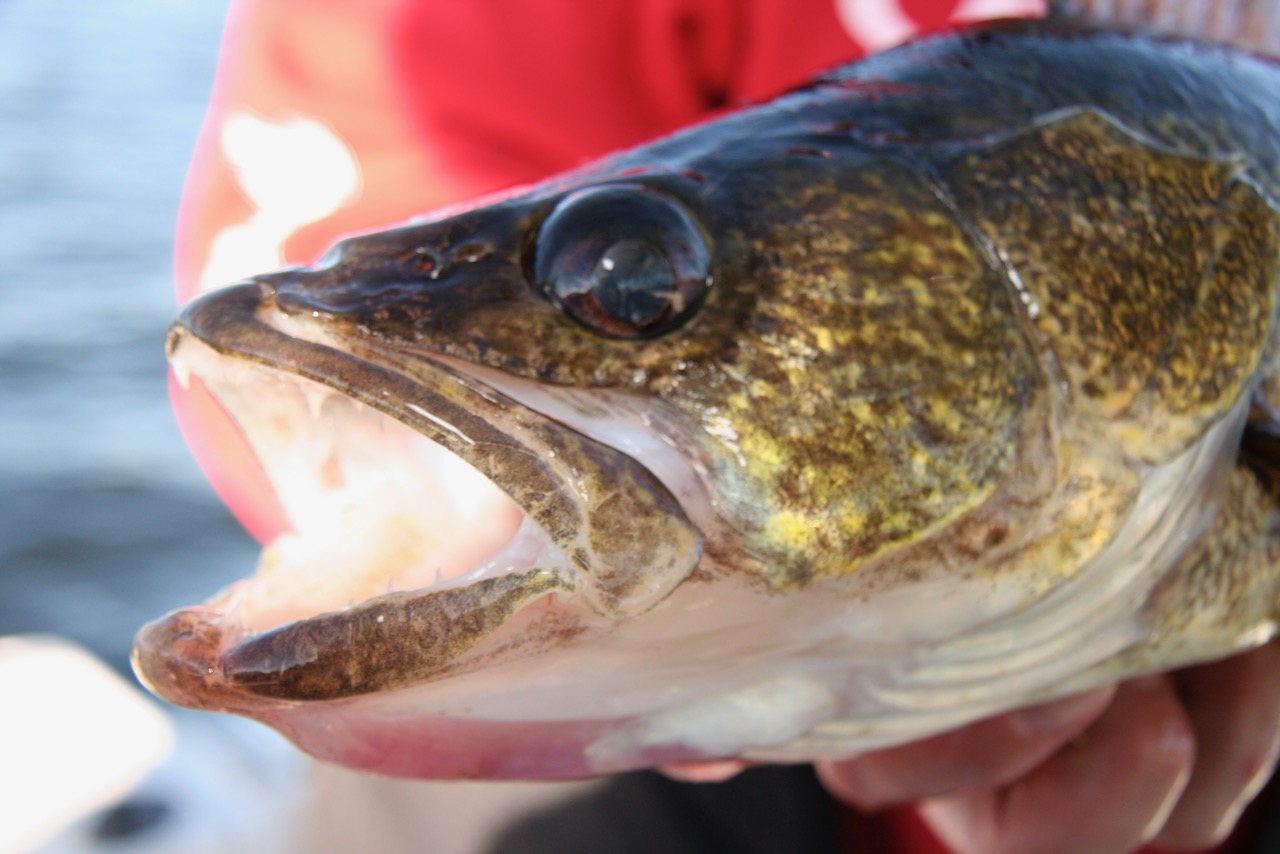
Early summer can be confusing and frustrating for walleye anglers (photo: Chris Hockley)Imagine you’re fishing a shallow, rocky flat for walleye in late May, and it’s on fire. Nearly every pass, drop or throw produces a fish. Some are eaters, some are heavy post-spawn females, and all of them are stacked on the same shallow, rocky flat that had been delivering fish since the opener. Then June arrives. The calendar flips, the weather warms, and the lake fills with boats. Suddenly, the flat is a ghost town. The sonar shows nothing, baits go untouched and, after hours of grinding, the scorecard still reads zero.
Advertisement
If that scenario sounds familiar, you’re not alone. Across Canada, early summer brings some of the most confusing and frustrating walleye fishing of the year. Anglers return to spring hot spots expecting more of the same, only to find themselves chasing apparitions.
The truth is, June isn’t a lull, and the walleye haven’t disappeared or stopped eating. Instead, they’re recovering from the spawn, responding to changing water temperatures, adjusting to new forage and adapting to the rapidly evolving habitat. Understanding this transition is the key to unlocking one of the most consistent and rewarding periods of the entire walleye season. Here are the key factors to consider.