


DOWN ON THE FARM
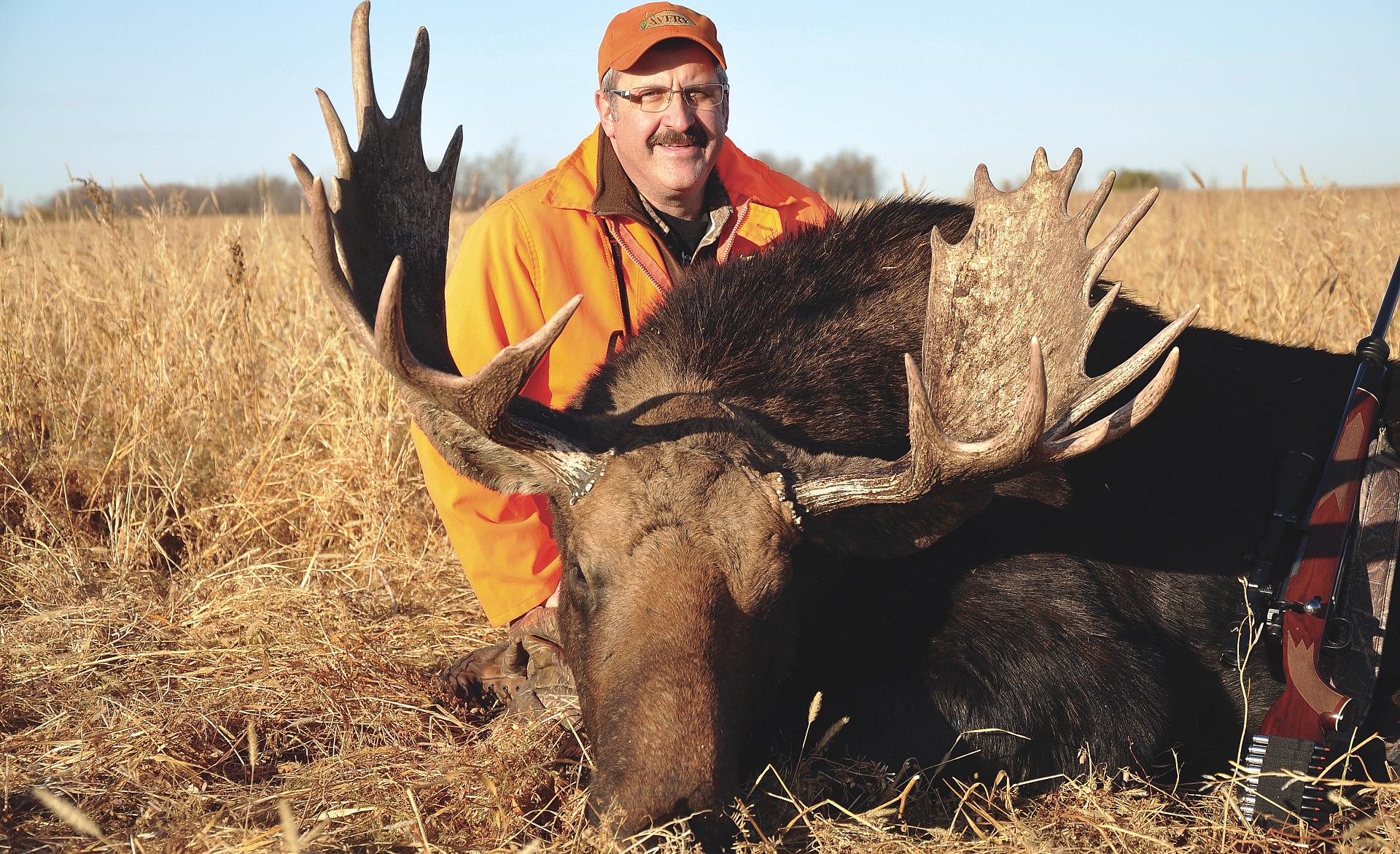
Across Canada, moose inhabit pockets of prime cover in the midst of farmland—and that makes for a whole different kind of fall harvest
Advertisement
CALLING
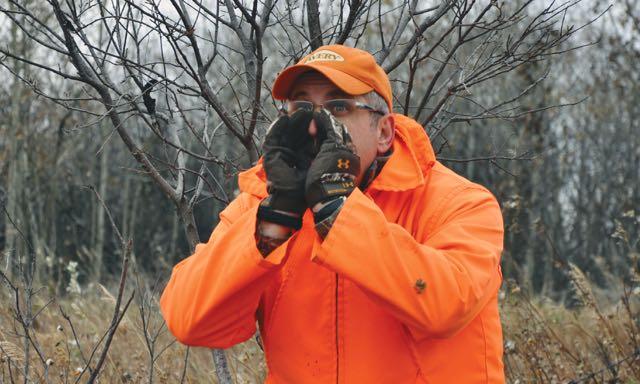
During the rut, it’s best to call early in the morning and late in the afternoon. If no moose are within sight when you start calling, try using a series of cow moans to draw in any nearby bulls. Start by calling softly in case a moose is close, and stay alert for a bull coming in on a dead run. If nothing happens after a few minutes, increase the volume of the calls. And be patient. Moose have excellent hearing, so a bull could be moving toward your calls from an extended distance. Give each calling location a good half-hour before moving on to another spot. As well, always approach the calling area as quietly as possible to prevent spooking any moose from the area.
Advertisement
If you spot a bull moose in the distance before you start calling, evaluate the situation. If he’s alone, try cow calls to bring him into shooting range. If he’s with a cow, try bull grunting to make him think he has to come defend his cow from another suitor. Once you have a bull coming in, stop calling and let him work his way closer. If he hangs up short or heads in another direction, however, call again.
Since moose are so good at pinpointing the location of the caller, try hunting with a partner. Position the shooter 50 yards downwind of the caller so the shooter has the opportunity to see the moose as it swings downwind and keys in on the calls. To increase the odds of success, maintain visual contact between yourself and the other hunter so you can use hand signals to let each other know what’s happening.
Advertisement
SPOT-AND-STALK
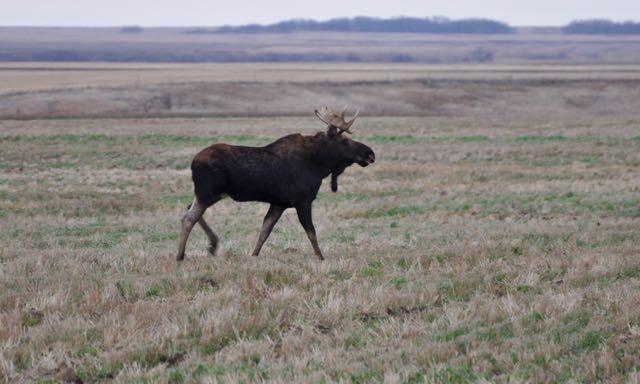
Spotting and stalking is another option that works well both in the early and late season. This tactic is so effective because moose are on the move during the rut, as well as later in the year to feed on high-protein cereal crops when the temperature drops. They’ll cross vast open spaces of agricultural lands while travelling between the small islands of marshes and tree clumps scattered throughout the farmland.
Once you spot a bull, you usually have to move in closer for a shooting opportunity. If the moose is feeding in the open or on the edge of some trees, a true stalk must take place. Advance with the wind in your face, and where possible, keep some type of cover or terrain between you and the moose to remain hidden. If you’re forced to move toward the moose without any cover, move slowly. Quick actions will put bulls on high alert, but slow movements don’t seem to bother them.
When a bull is on the move, try to get in a position where you can ambush him or cut him off. Move quickly and always aim for a cut-off point well ahead of the moose. Bulls can cover a lot of ground in short order, even when walking slowly.During midday, you can also try setting up a drive to push bulls out of any available cover, such as a stand of trees. Quietly position one or two hunters in hiding spots to watch over escape routes, then have other hunters walk through the cover to force the moose into the open. The pushers should walk into the wind, as the moose will also want to work into the wind. Unlike deer, which often circle around the pushers and run out the back door or sit tight, moose will typically trot out of the trees and into the open. Once clear of the trees, they’ll stop to look back to see what startled them, then slowly head toward another bedding area.
GEAR
Farmland moose can be taken at both close range and long distances. Given a bull’s large size, it’s easy to judge how far away he is if he’s within 100 metres. If the bull is standing in a wide-open field with no reference points to help estimate the distance, however, it can be difficult to determine where to hold the crosshairs for a clean shot. In that case, you need a good rangefinder to help guarantee an ethical kill.
Moose can be tough to bring down. For rifle hunting, I recommend using good-quality bonded bullets in calibres of .270 and up (above left). They hold together on impact and provide maximum expansion, penetration and energy transfer at both long and short ranges. As for muzzleloader hunting, a 50-calibre rifle with 300-grain sabots (above right) propelled by 150 grains of powder works well.
Although a bull moose is a big target, shooting sticks can also help guarantee an accurate shot in open farmland. They’re also good for resting your binoculars on when glassing open fields—and boosting your chances of taking a moose down on the farm.