


POWER PRIMER
For electrifying your fishing adventures, lithium batteries are now the way to go
Advertisement
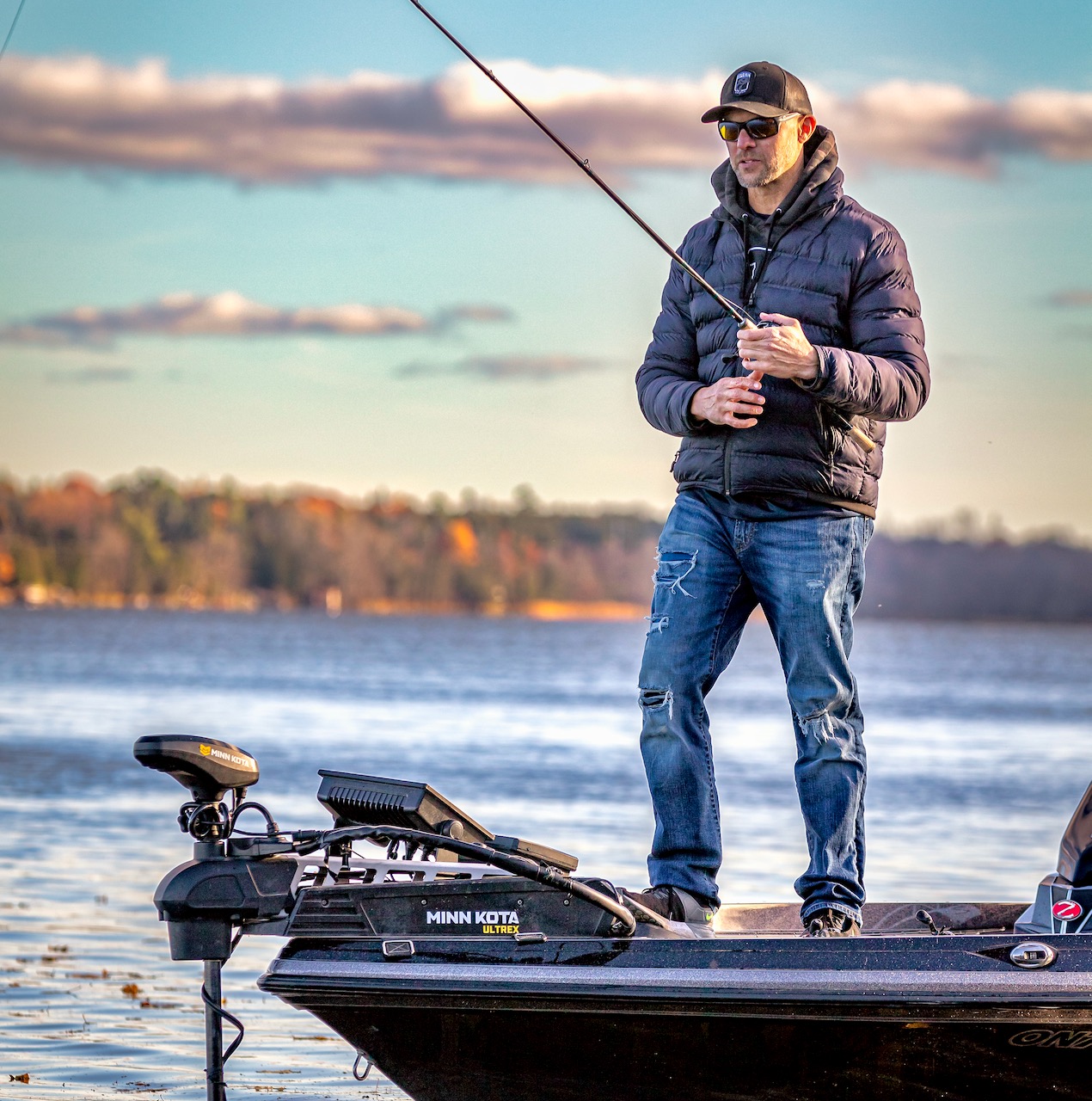
As power needs for fishing have grown, anglers are turning to new battery typesFrom early-dawn launches to long runs between spots, a day of fishing by boat is only as good as the power behind it. Whether you’re running an electric trolling motor, powering electronics or firing up an outboard, reliable energy is the unsung hero of an angler’s time on the water.
Advertisement
For decades, lead-acid and AGM batteries have been the go-to power source for anglers because they’re inexpensive, widely available and familiar. Fishing boats have changed and electronics have evolved over the years, however. We now run powerful electric motors, forward-facing sonar systems and more and bigger screens that ask a lot from our batteries. As a result, more and more anglers are making the switch to lithium-ion batteries. Here’s why.
COST & LONGEVITY
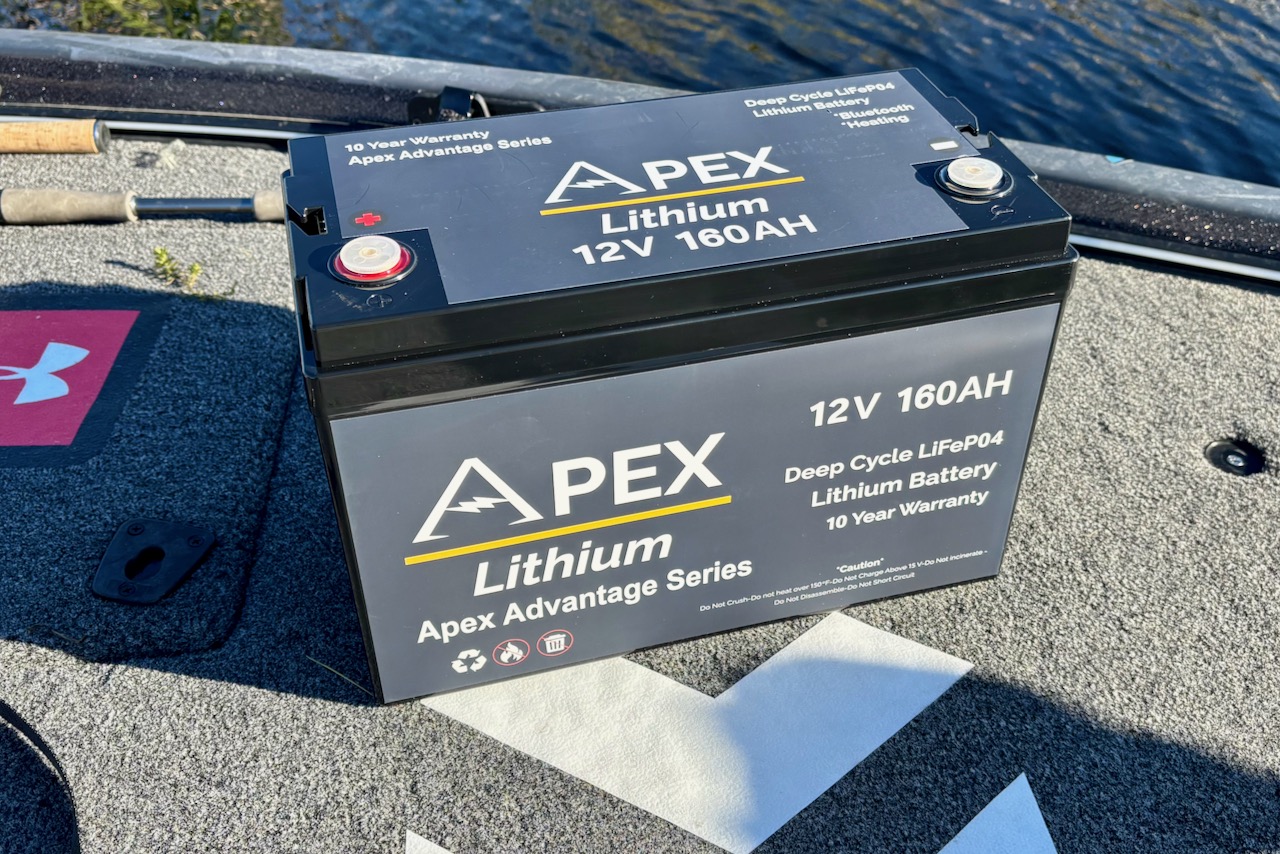
Specifically, anglers are turning to a subtype of lithium-ion batteries known as lithium iron phosphate (LiFePO₄, or LFP), most often referred to simply as lithium batteries. While they may feel like a bigger hit at the cash register, they’re better viewed as an investment rather than an expense—unless you plan to retire from fishing in the next 10 years.
A lead-acid battery typically lasts around three years before its performance significantly drops, forcing anglers to replace them. Lithium batteries, in contrast, often last 10 years or more. They also deliver two to four times as many charge cycles, and many carry 10-year warranties to back them up. When you factor in fewer replacements, consistent output and long-term durability, the higher upfront price all but evens out—or may be even less—in the long run.
Advertisement
There’s also a hidden cost to lead-acid that doesn’t show up on the receipt: gradual decline. As capacity fades, you start compensating without realizing it by running the trolling motor at lower settings, turning screens down, avoiding long periods on spot-lock, or cutting the day short because you don’t trust what juice is left. That’s not just inconvenient; it changes how you fish.
Lithium’s longer life and steadier delivery, on the other hand, reduces that battery-management mindset. You spend less time worrying about power, and more time focusing on boat positioning, reading your electronics properly and staying on fish when the bite is on. (Also see “Lead-acid vs. lithium” on final page)
Advertisement
POWER POINTERS
Every angler has a favourite brand of electronics, and every boat has a different power appetite, so choosing the proper lithium batteries to suit both is important. Start by tallying the draws from your trolling motor and electronics to estimate the reserve you need for a typical day of fishing. Take into account factors such as wind, current, boat size, how often you use spot-lock, and whether you run forward-facing sonar all day or only at key times.
With all that in mind, now you know the sufficient amp hours and voltage you’ll need. Amp hours determine run time: a 50 Ah battery may keep a mid-sized trolling motor going for several hours, for example, while a 100 Ah battery can cover you from sun-up to sundown, depending on conditions. Voltage is flexible. You can choose a single 24- or 36-volt battery for simplicity, or wire two or three 12-volt batteries in series to reach the same output. The bonus with multiple 12-volt batteries is versatility—you can redeploy them for other uses, whether it’s for open-water electronics or ice-fishing trips.