


POWER PRIMER
For electrifying your fishing adventures, lithium batteries are now the way to go
Advertisement
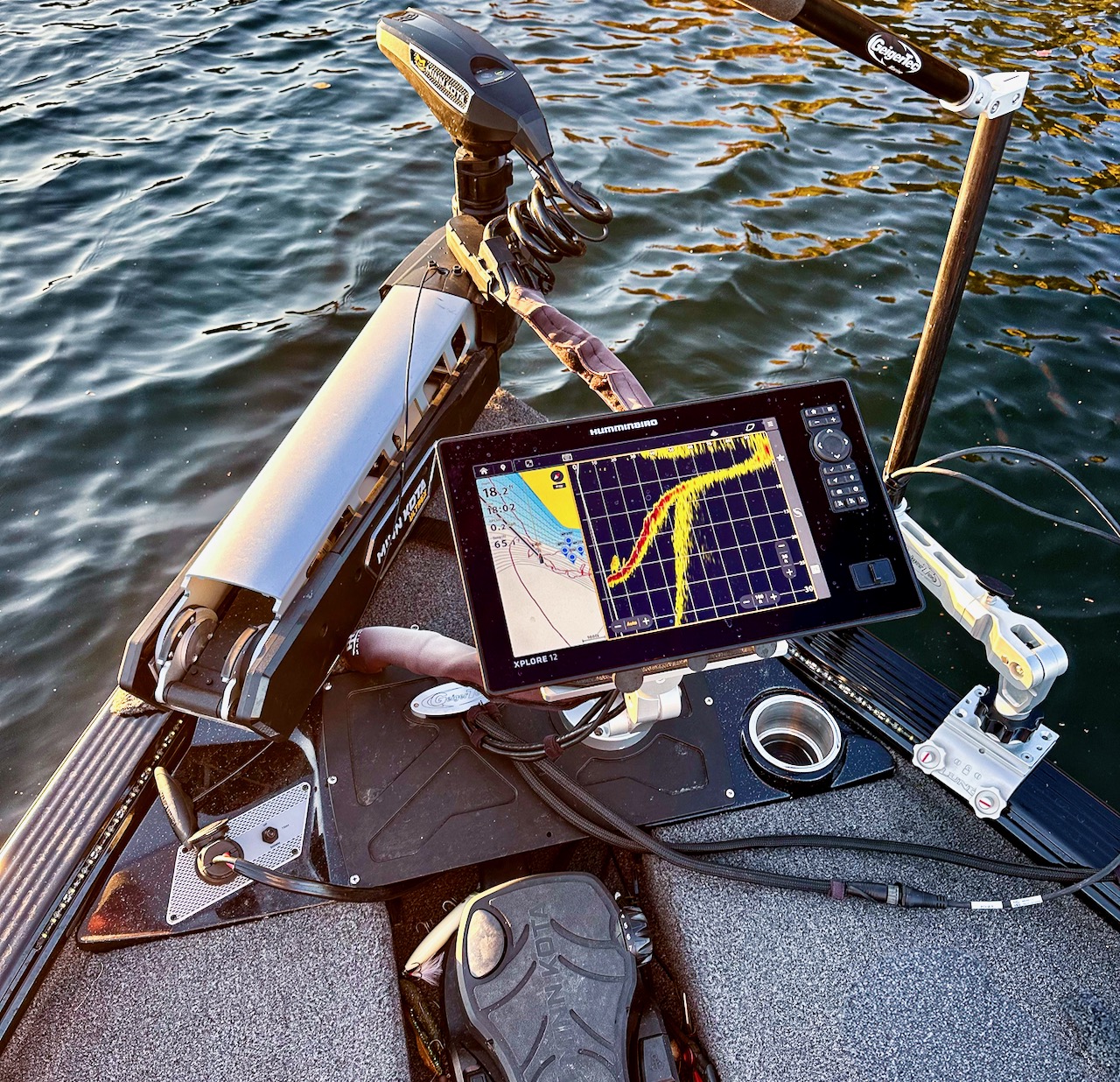 Lithium meets the demands of operating more than one electric device
LEAD-ACID VS. LITHIUM
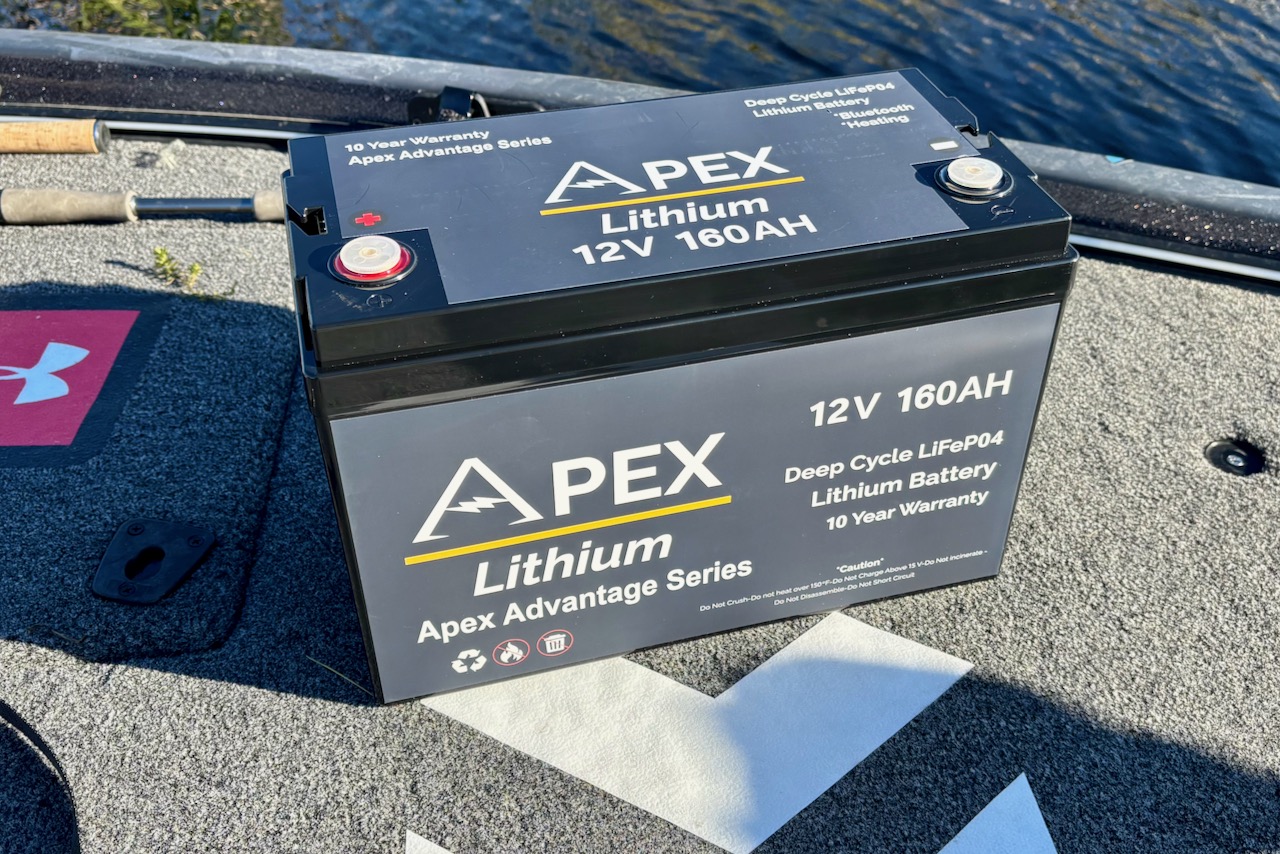
For a quick, practical comparison between lead-acid and lithium batteries, think about their lifespan, usable capacity and what they weigh to get that performance. In the common 100-amp-hour size, lead-acid batteries often cost around $250 and weigh about 60 pounds, while base-model lithium batteries might be closer to $900 and weigh roughly 25 to 28 pounds. Up front, lead-acid looks cheaper.
Over 10 years, though, lead-acid is commonly replaced two or three times, and you still live with the reality that you can’t comfortably use much more than about half the degrading capacity without shortening the battery’s lifespan even further. Lithium, meanwhile, is often a single purchase backed by a lengthy warranty. It delivers nearly all of its rated capacity in real use, and it does so at a fraction of the weight. When you add those pieces together—replacements avoided, performance maintained, weight reduced—the expensive option starts to look like the practical one.
Advertisement
MANAGEMENT
Many lithium batteries now include Bluetooth monitoring, which lets you check their charge level, voltage, current, temperature and run-time estimates from a connected smartphone. That live readout eliminates the guesswork of wondering how much power you have left when you’re kilometres from the dock. It also gives you peace of mind when you’re running multiple screens, live sonar, pumps, lights and a trolling motor.
Bluetooth monitoring is also practical: being able to view your current-draw and voltage readings helps you spot unusual loads, wiring issues or a charger setting that isn’t correct before it becomes a problem. With diagnostics in your pocket, you can stay on a hot bite without worrying about power, while also helping to protect the investment you’ve made in both your batteries and the electronics they’re powering.
CONFIDENCE
In the end, using lithium batteries isn’t just about powering your fishing excursions—it’s also about being confident. Confident your trolling motor won’t fade halfway through the bite of a lifetime. Confident your sonar will stay sharp and interference-free. Confident your electronic gear will properly perform, whether you’re paddling a kayak, running a tournament rig, hiking into a frozen backwoods lake or stepping off a floatplane onto a northern shoreline. Yes, lithium costs more upfront. But viewed over time, it pays for itself with lighter weight, faster charging, longer life and stronger, steadier power. For anglers who plan to keep fishing season after season, lithium isn’t just a good choice—it’s the obvious one.
Advertisement