

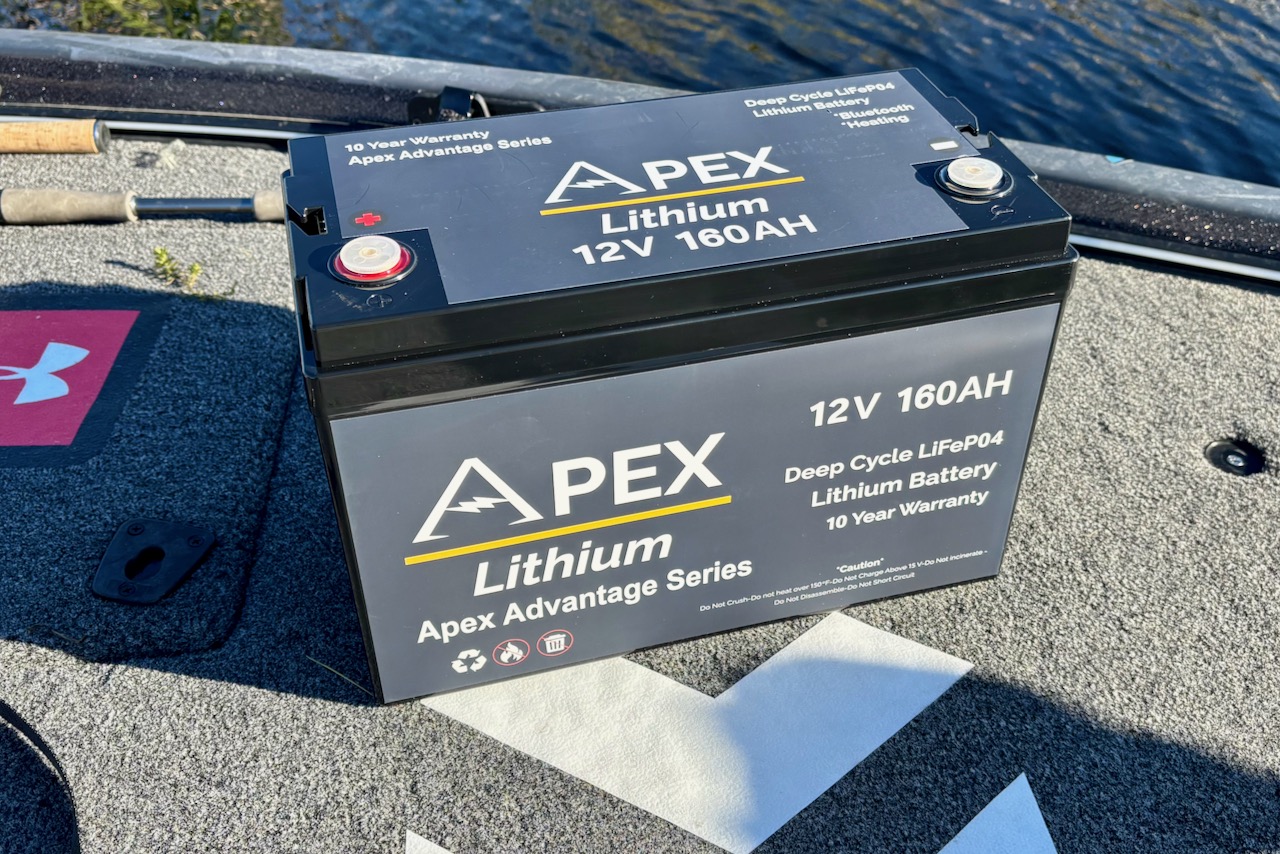

POWER PRIMER
For electrifying your fishing adventures, lithium batteries are now the way to go
Advertisement
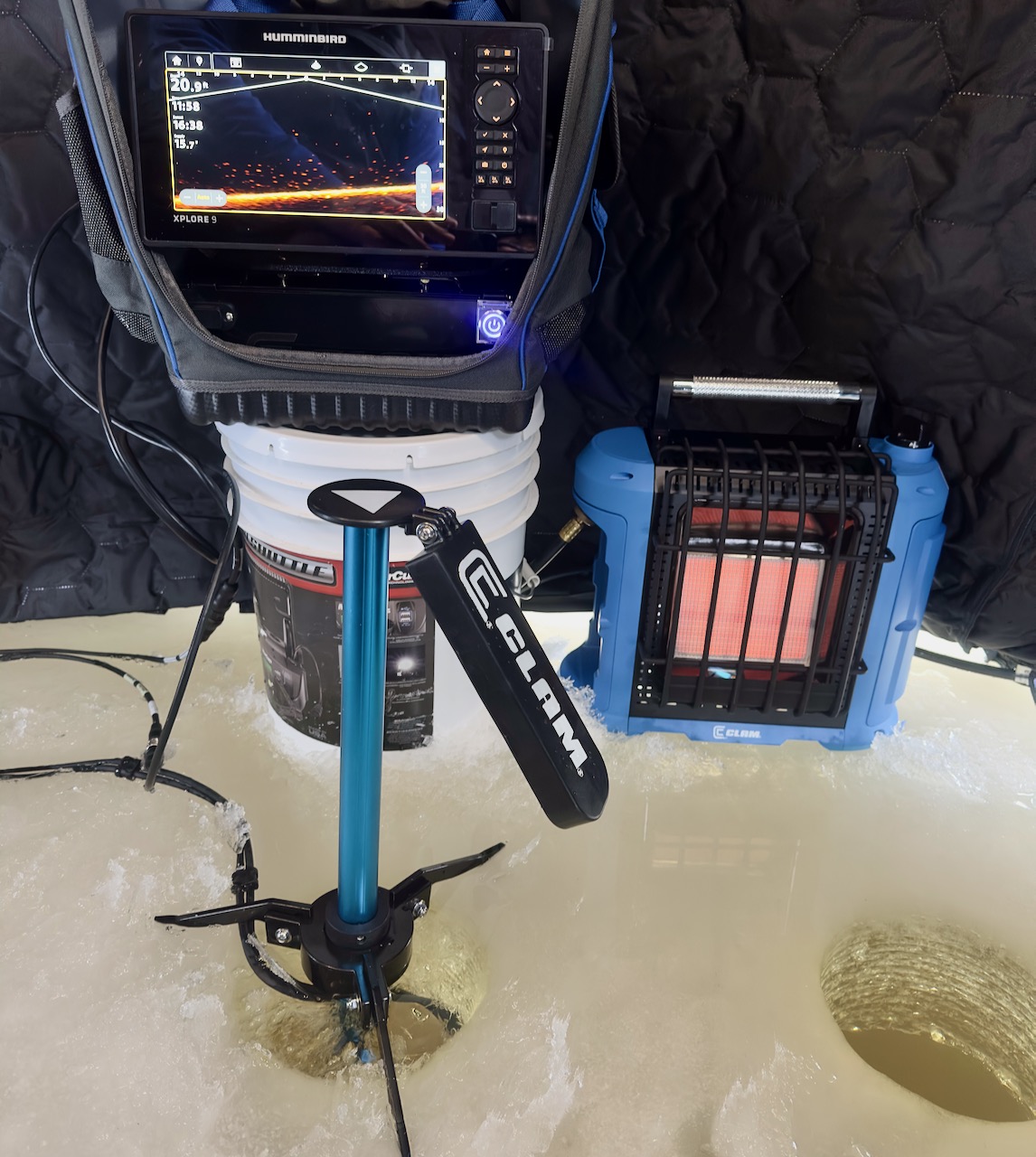 Some lithium batteries are designed for use in sub-zero temperatures
COLD PERFORMANCE
Dropping temperatures are no obstacle for the right lithium batteries, making them a smart choice for four-season anglers. Standard lithium chemistry can struggle to charge below freezing, but many marine-grade models now include low-temperature protection or built-in heating elements to solve that problem. If your plan is to not let dropping temperatures slow you down, shop for those cold-weather features so you can recharge safely after a day on the ice.
Some manufacturers engineer batteries specifically for harsh northern climates, with self-heating versions that enable recharging at temperatures as low as -40°C. Otherwise, the best practice after an ice-fishing trip is to warm your batteries before charging them. Also, stick with high-quality, fully sealed batteries rather than chasing the cheapest options—moisture and condensation are real concerns when it comes to extreme conditions and hardcore angling.
Advertisement
CHARGING & STORAGE
Lead-acid batteries steadily self-discharge and need regular top-ups if they’re left unused for months; if they sit partially charged for extended periods, they can even lose their capacity permanently. Lithium, meanwhile, has very low self-discharge. If you disconnect and store a lithium battery when it’s at 50 to 70 per cent, for example, it will be ready when you are—without the same springtime scramble it takes trying to revive a tired lead-acid battery.
Lithium also recharges noticeably faster than lead-acid, meaning less time tied to shore power and more time fishing, especially on multi-day trips or when you’re trying to turn batteries around quickly. Modern multi-bank onboard chargers make this easy by letting you configure each bank to an exact battery chemistry—lithium, AGM or flooded—so even mixed systems can be charged safely from a single unit. That’s ideal if you’re running a mixed system during the transition to all lithium.