

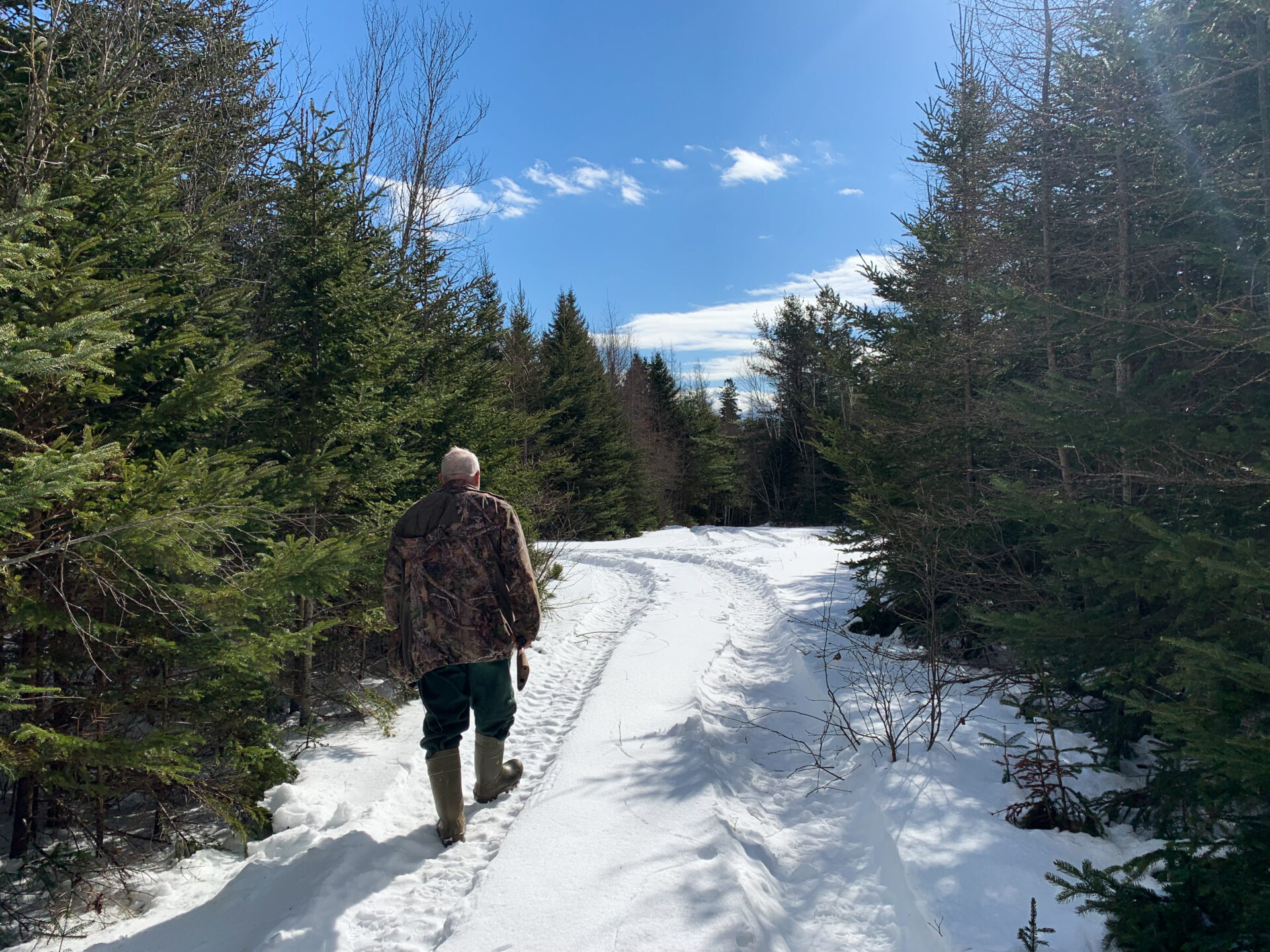

ALONG THE TRAIL
In the forests of rural Nova Scotia, the time-honoured craft of trapping lives on. An up-close look at one man’s personal pursuit
Advertisement
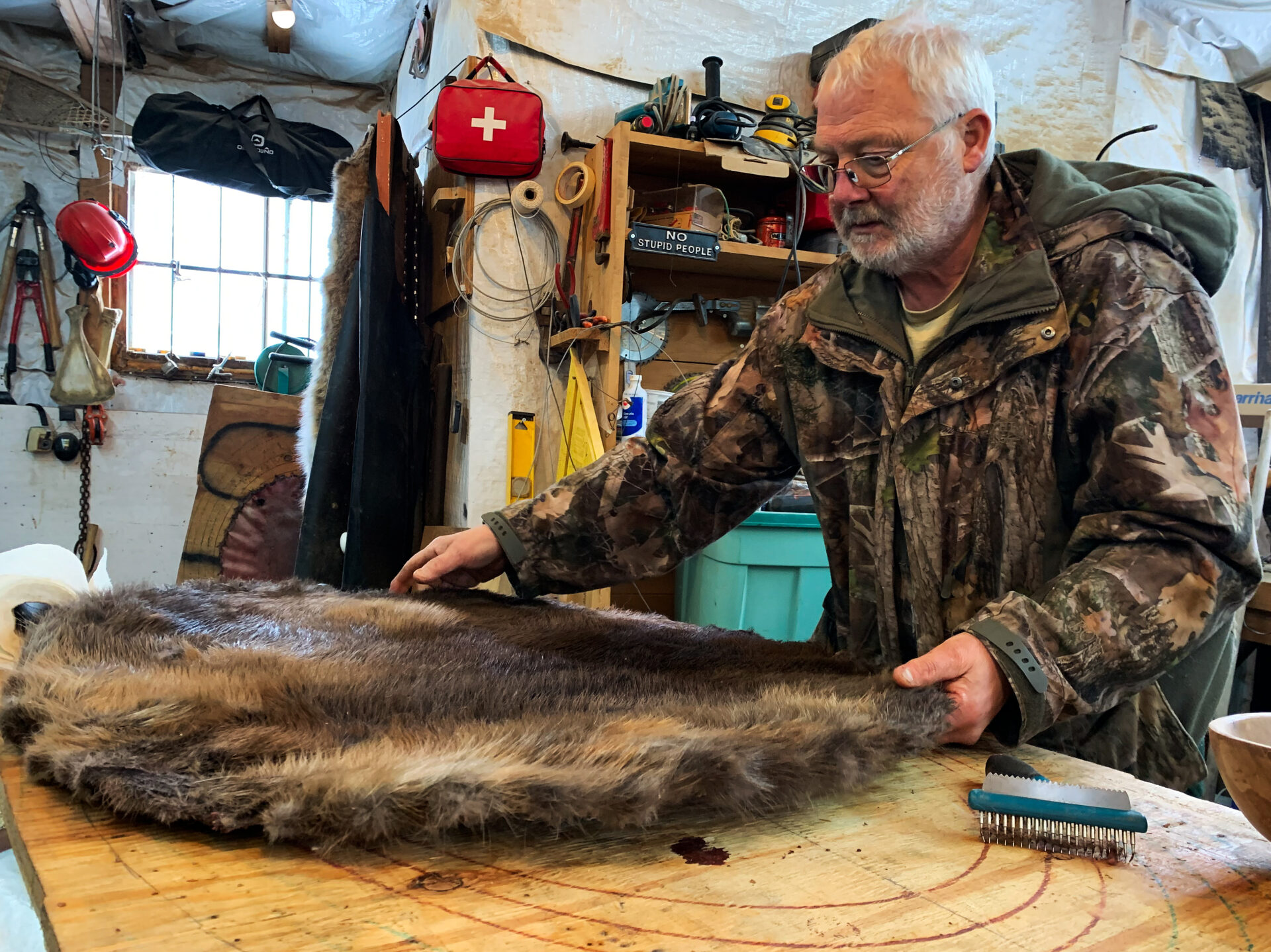 A beaver pelt is stretched out on plywood to dry
Just like the small towns where it is often practised, trapping exists on the periphery of our national consciousness. As White points out, trapping has a deep history in this country, but trappers are not glorified here. He says he understands that killing animals for sport is not palatable to everyone, and that most people are alienated from death. “Now it’s all hidden away,” he says. “You go and buy a steak in the store, and there’s a napkin underneath it. Nobody wants to see blood.”
At the same time, White says he’s not fond of the common trope that trappers are rednecks and socially conservative, a stereotype he believes to be untrue. Rather, he prides himself on associating with what he refers to as “quality people,” pointing to his own family. His wife is an opera singer, his eldest son is a banker, and his younger son is a teacher. His daughter, meanwhile, is finishing her master’s degree at the University of Toronto, where she is studying LGBTQ migration during the COVID-19 pandemic.
Advertisement
Not that White is apologetic about trapping—he’s out in the woods almost every day, setting traps or checking on them. He is also a trapping advocate, an ambassador of sorts. He joined the Trappers Association of Nova Scotia in the early 1980s and rose up through the ranks to the position of vice-president, where he took a leading role in making trapping more accessible to newcomers.
Today, more trapping takes place in Nova Scotia than you might think, with White among the province’s approximately 1,500 licensed trappers. During the five-month 2023/24 trapping season, they collectively harvested 1,873 beavers, 1,620 coyotes, 1,327 muskrats, 531 bobcats, 454 raccoons, 339 squirrels, 337 otters, 142 weasels, 134 foxes, 99 minks, 77 fishers, 36 skunks and two martens. That’s 6,971 wild animals, with one harvested every 31 minutes of the fur season.
Through his experience advocating for trappers, White says he’s come to believe Canadians are the most humane trappers in the world, working to ensure their captured animals die quickly. Yet despite his faith in this country’s trapping standards, they have come under scrutiny. For example, mounting evidence shows neck snares have the potential to kill animals other than the target species, including pets. There are now calls to prohibit the use of snares under the Agreement on International Humane Trapping Standards, which Canada signed on to in 1999.
Advertisement
“I have a hard time with the Europeans telling us how to regulate wildlife, after they @#$%! the last century up,” White says. A regular wine drinker, he says he tries to avoid European vintages, preferring Argentinian and Australian wine instead.