

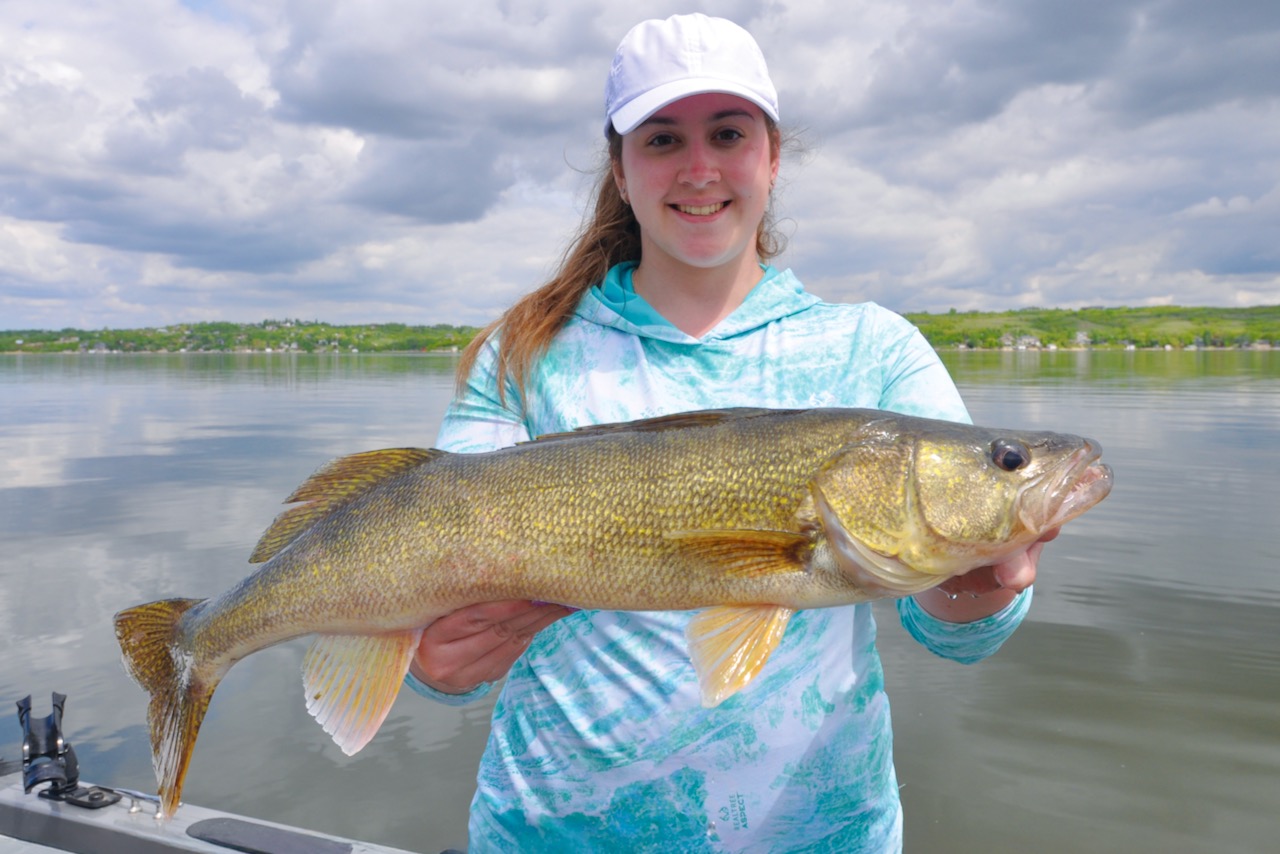

A MATTER OF DEGREES
To find and catch springtime walleye, head for the warmest water you can find on your lake
Advertisement
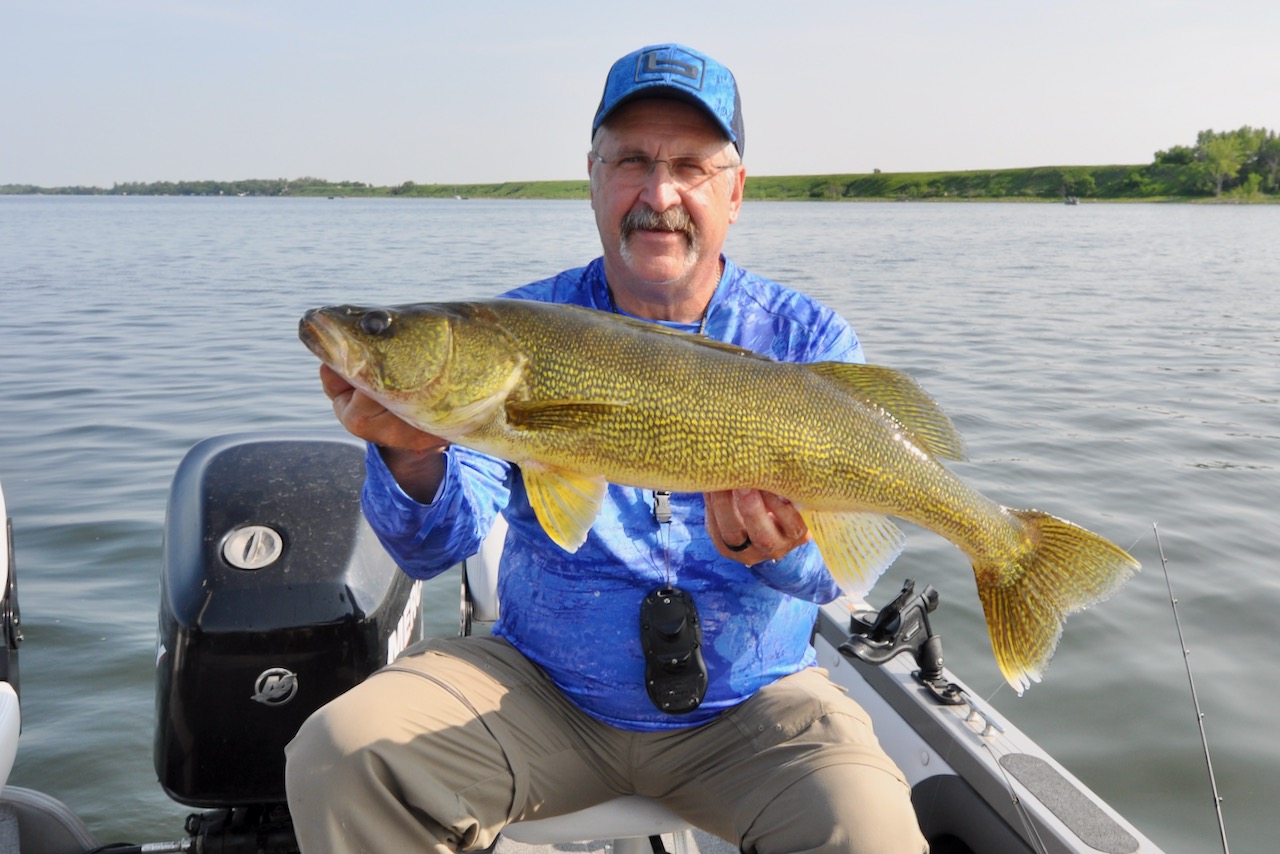 Target feeding walleye after they spawn
TEMPERATURE CHECK
Once a lake has turned over after the warming weather, winds and currents have pushed off the ice, the water will have a consistent temperature of 4°C. This consistency is only short-lived, however. Springtime’s extra hours of sunlight and higher daytime temperatures will begin to warm up the water, although at varying rates throughout the lake. For example, shoreline edges and the shallows warm up more quickly. The areas around creek and rivermouths and feeder springs also tend to warm up faster, since the incoming water is warmer than the rest of the lake.
This warming effect triggers the walleye to become more active, and once the water temperature reaches 4.4°C to 10°C, they will begin to spawn. After spawning, they’ll take a few days to rest and recover, then move to the warm-water areas to feed on the forage already congregating there.
Advertisement
Note that this early-season feeding takes place in different areas of the lake than where you’ll encounter the prime summertime bite. Later in the spring, once the water temperature reaches 15.5° to 19°C, the walleye will move to those summer hot spots we know and love.