


UNDER THE SPELL
A nostalgic return to the long-lost fishing lodges of the Yukon’s remote Stewart Lake
Advertisement
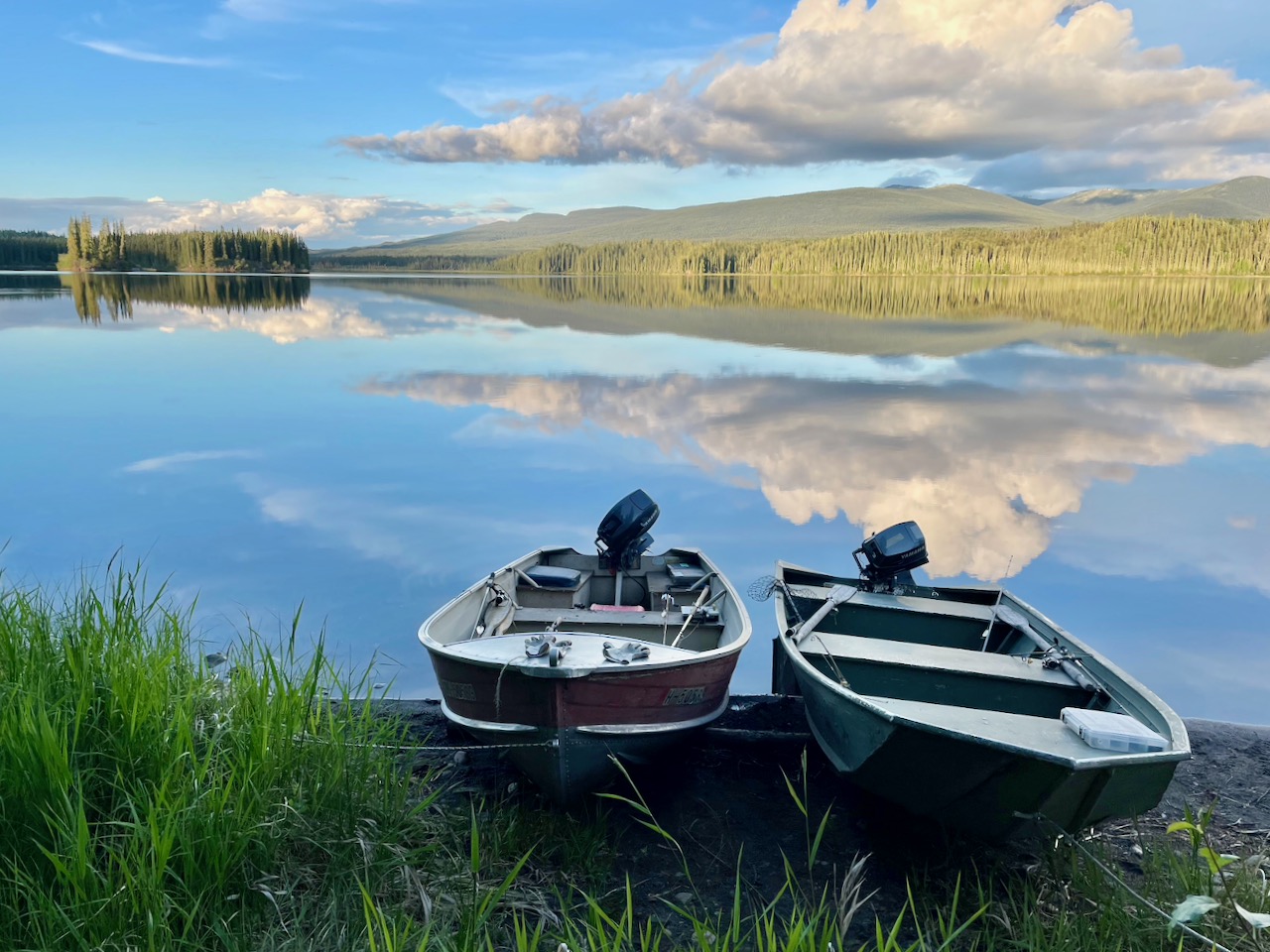 Clouds over Thunder Mountain reflect on Stewart’s still surface
The following day brought steady rain, casting doubt about the flying conditions out of Watson Lake, a small community just north of the B.C. border and the jumping-off point for our float plane trip to Stewart. Undaunted, we loaded John’s truck and began the five-hour trek south of Whitehorse along the Alaska Highway. The drive did not disappoint. Not far past the city limits, we spotted a bedraggled young grizzly bear munching on dandelions in the rain. Then about 200 kilometres later, when I made an off-hand comment that moose were never present on this stretch of highway, a large cow magically appeared around the next bend, browsing on water lilies from a roadside bog.
Crossing the Continental Divide on our descent into the broad Liard River basin, the low, grey clouds that had clung to the mountaintops on the other side began to dissipate. About an hour later, the sun came out as we entered Watson Lake. At the Northern Rockies Air Charter base, Bill Seeley, our 71-year-old pilot, greeted us with a wave from inside the hatch of a DHC-2 Beaver, the “workhorse of the north.” The iconic Canadian bush plane was only a few years younger than us senior citizen passengers.
Advertisement
Just before our trip, Bill announced at his retirement party that he was going to stick around and work part-time for a few more years to pad out his 50-year-plus flying resumé. He earned his wings in 1972, and by 1976 he was a full-time bush pilot in Labrador, then Manitoba before joining now-defunct Watson Lake Flying Services in 1988.
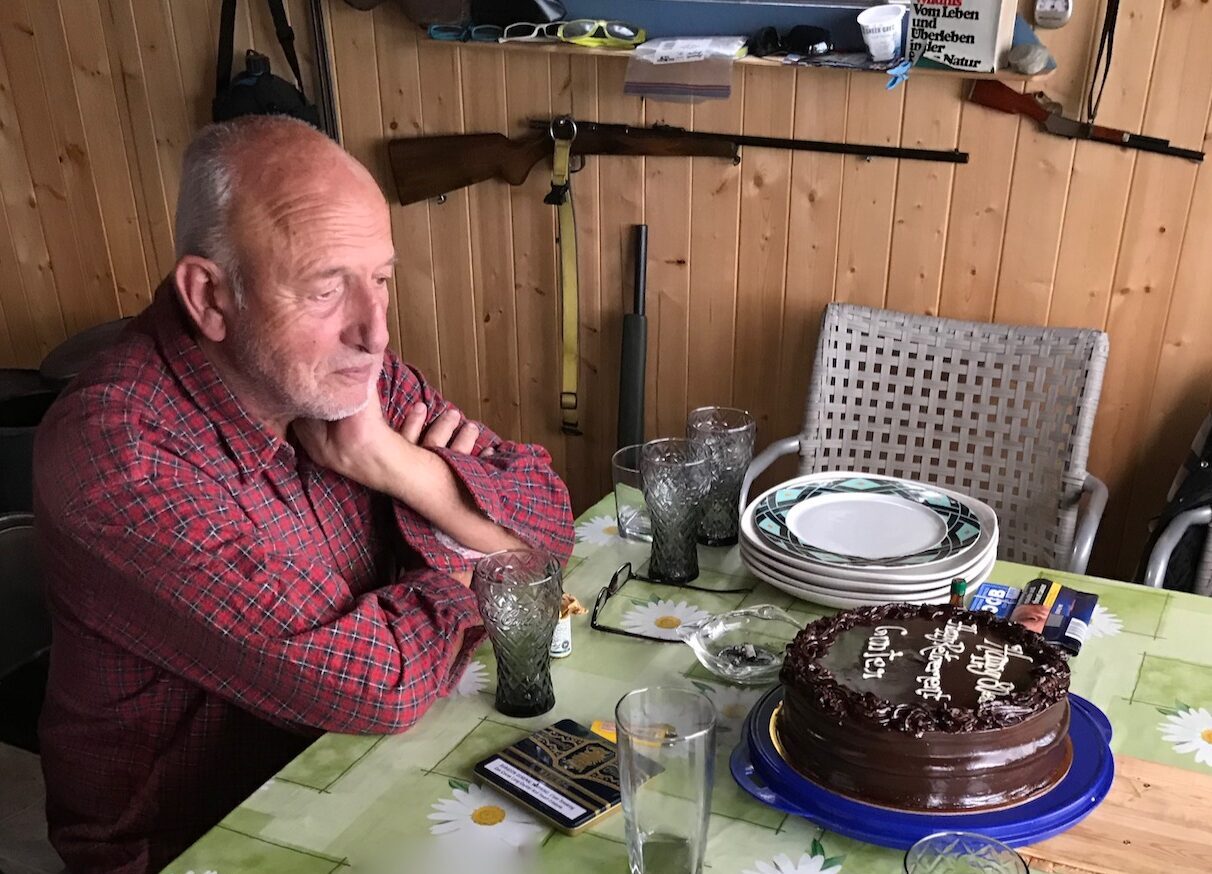 Long-time Stewart Lake stalwart Gunter Emert
After Bill stowed our mountain of gear and supplies in the back of the plane, we got seated. Al, the only member of our party who had never flown in a float plane, got to ride shotgun, while the rest of us crammed into the rear bench. Then Bill handed us inflatable lifejackets and provided a short safety briefing before firing up the 450-horse Pratt & Whitney radial engine. With that, we cast-off from the dock and chugged out to mid-lake.
As Bill throttled up, the Beaver skimmed over the water with increasing speed before finally lifting off for the 60-kilometre flight northeast to Stewart Lake. Twenty-five minutes later, we skirted around Thunder Mountain, the dominant peak above the lake, then descended to 500 feet for our landing approach.
Advertisement
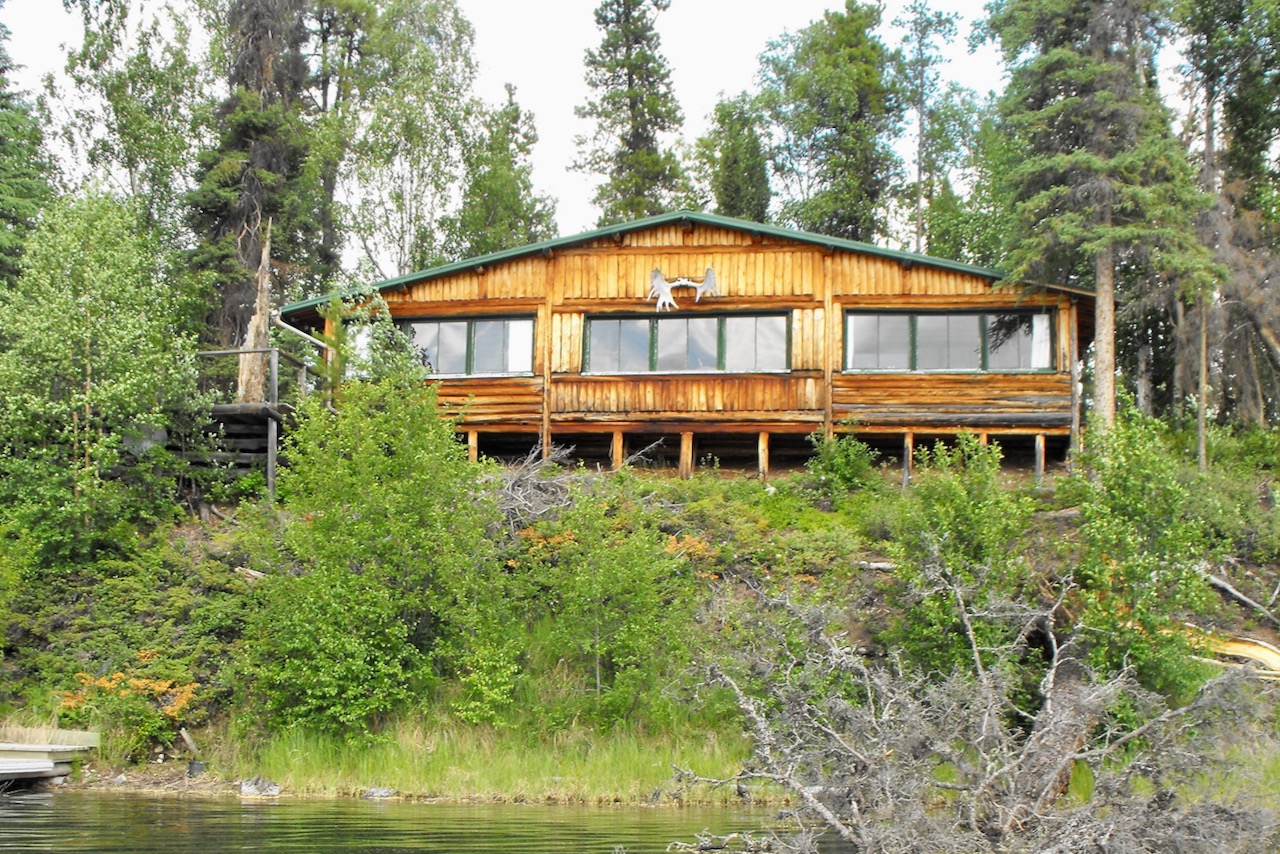
From a distance, I recognized the cabin on the lake’s eastern arm that was to be our humble abode for the next four days. It belonged to Peter Seifert, another friend from Germany, who had to forgo his own trip to the lake a month earlier due to Gunter’s unexpected circumstances. Peter urged us to not cancel our plans, however, and offered us the use of his camp.
Soon, Bill set the Beaver down softly on the water and, just before reaching shore, he cut the engine, allowing the plane to silently coast to a stop on the shingle beach. Standing in the chilly waters of Stewart Lake, we formed a human chain to quickly unload the cargo, as the weather had rapidly deteriorated. Then Bill wasted no time taking off to avoid getting stranded overnight.
Holding Peter’s emailed instructions in hand, I instructed the guys on setting up camp as the rain spattered down on us. First, the bear protection spike panels had to be unscrewed from the doors and windows using a battery-powered drill. Once the panels were safely stowed, we then moved our food and personal kits inside. Since there were only three beds, Al—a lifelong Scouter—set up his small tent on the deck outside.
While we were getting organized, a large red squirrel bounded from the forest in wide-eyed anticipation. Peter had sent me an all-caps bulletin to bring peanuts for his fury companion—named Ping-Ping—who had grown old and corpulent on handouts over the years.
It wasn’t long before the small woodstove crackled in the background as we enjoyed a spaghetti dinner under the dim glow of a propane lantern. Here on the 60th parallel, it never gets totally dark in June. But as we sipped wine and reminisced about past visits to Stewart Lake, twilight settled in, and Thunder Mountain gradually vanished under a misty grey veil.