

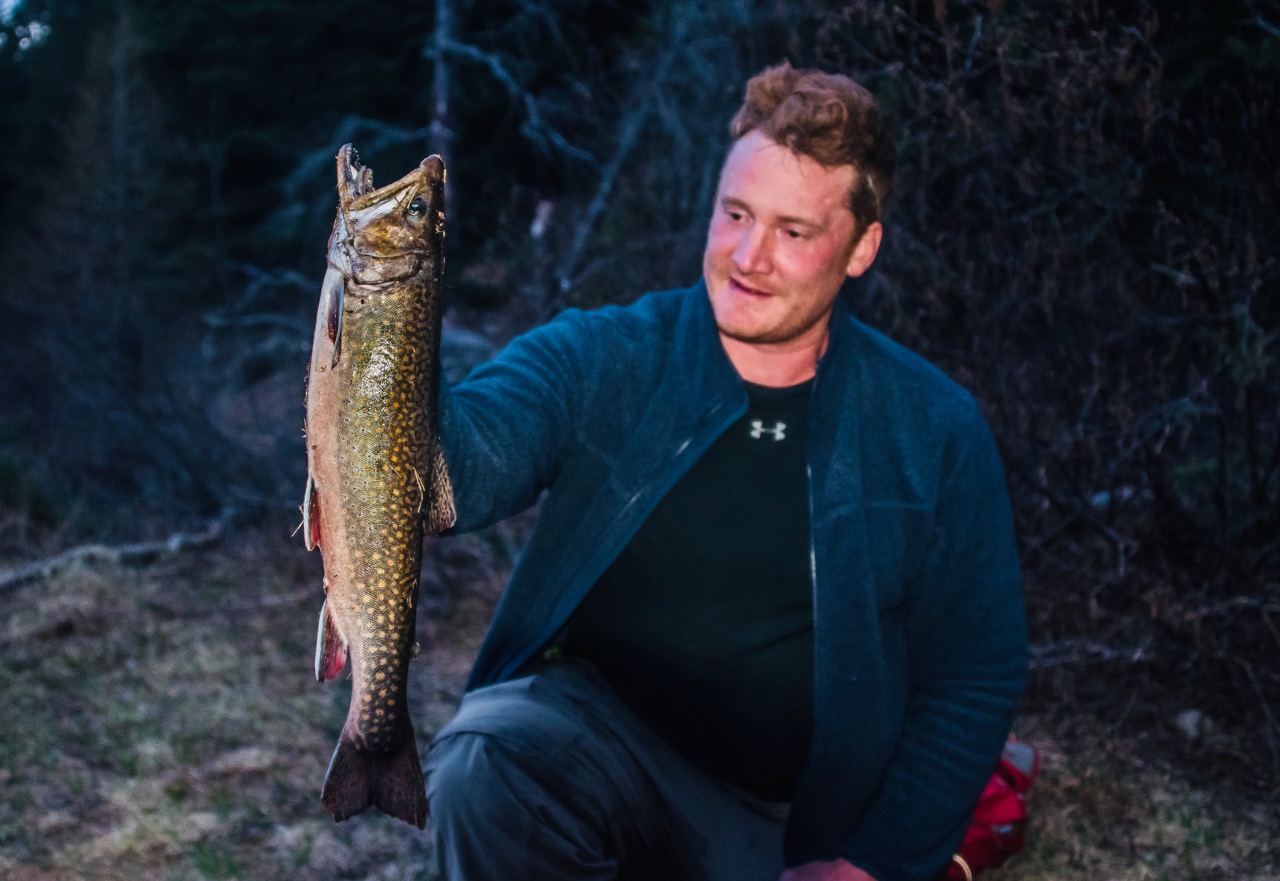

Backcountry brookies
The best fishing is far afield, but the rewards are more than worth the effort
Advertisement
#2 Plan early
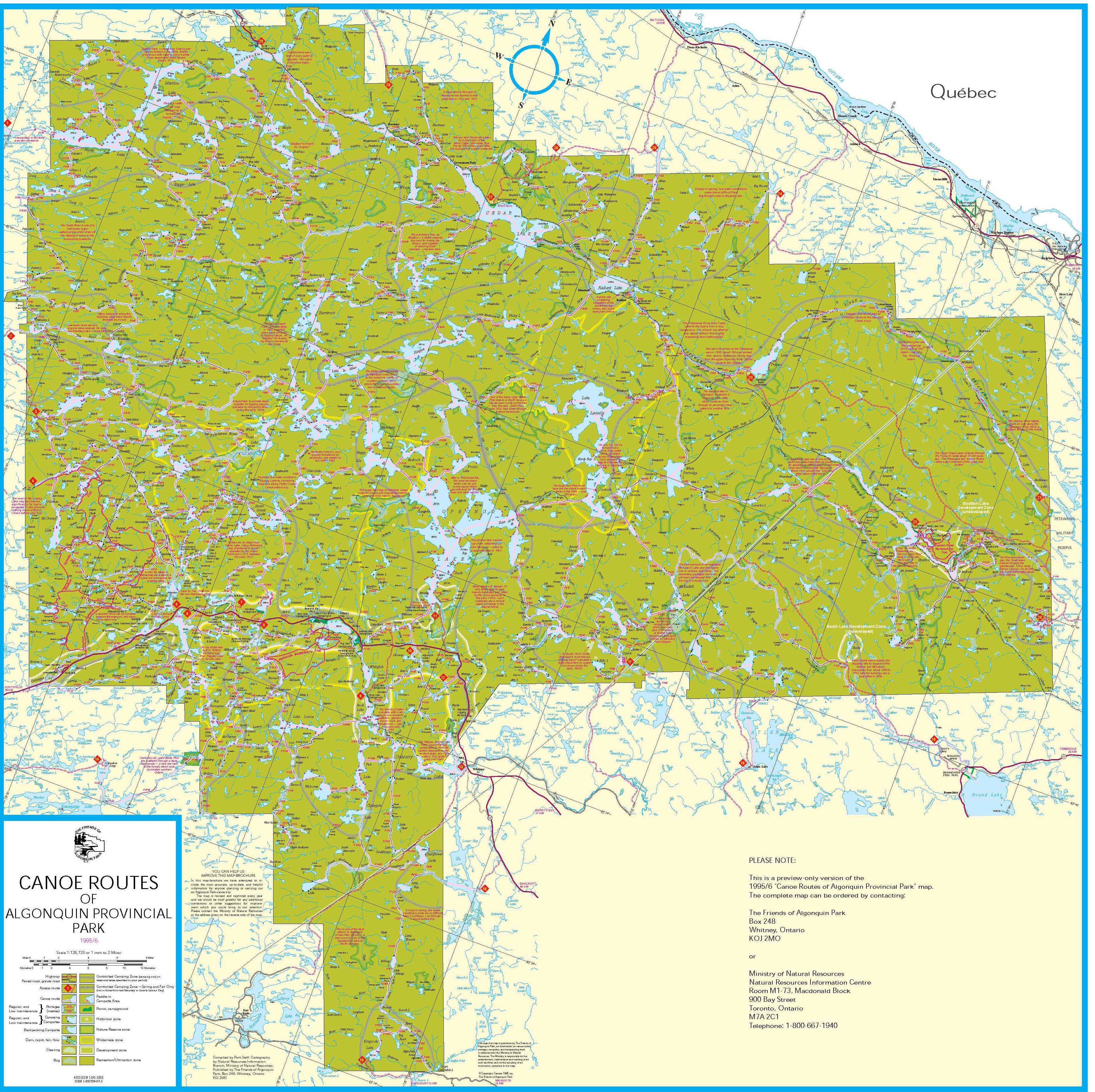
If you’re thinking about making the pilgrimage, consider that Algonquin Park’s backcountry camping works on a reservations system. Sites on your desired route could be booked by the time you arrive, so book in advance by heading over to the park’s website where you’ll find a digital map and information on making your reservation. Speaking of maps, the Official Algonquin Park Canoe Routes Map site is a good place to start planning your route. You then want to switch to a more detailed map to bring on your trip. Navigational maps made by The Adventure Map company are a good bet and they also share info on what species of fish reside in respective areas of the park. Another notable resource is Jeff’s Map.
Note: you’ll need more than just basic fishing skills to tangle with Algonquin’s brook trout. To get into the right territory where you’ll catch more and larger fish, and to make sure you stay safe out there as well, ensure your canoeing, map navigation and wilderness camping skills are up to the task. Because of the portages and padding distances, a reasonable amount of physical stamina is an important prerequisite for these types of fishing trips, too. However, the extra work involved makes catching these trout all the more rewarding and addicting.
Advertisement
#3 Get off the beaten path
Algonquin Provincial Park is a brook trout mecca for many and fishing its remote, backcountry waters has become a lifelong addiction for generations of anglers. It spans 7,653 square kilometres of rivers, lakes and sprawling forests. That said, the park’s best trout waters lay well away from any road access. Because of this, travel into the Algonquin interior is limited mostly to canoe, and portaging is required—you have to work to get to the good fishing. Any fisherman who’s made the journey at the right time of year knows it’s well worth the effort though.
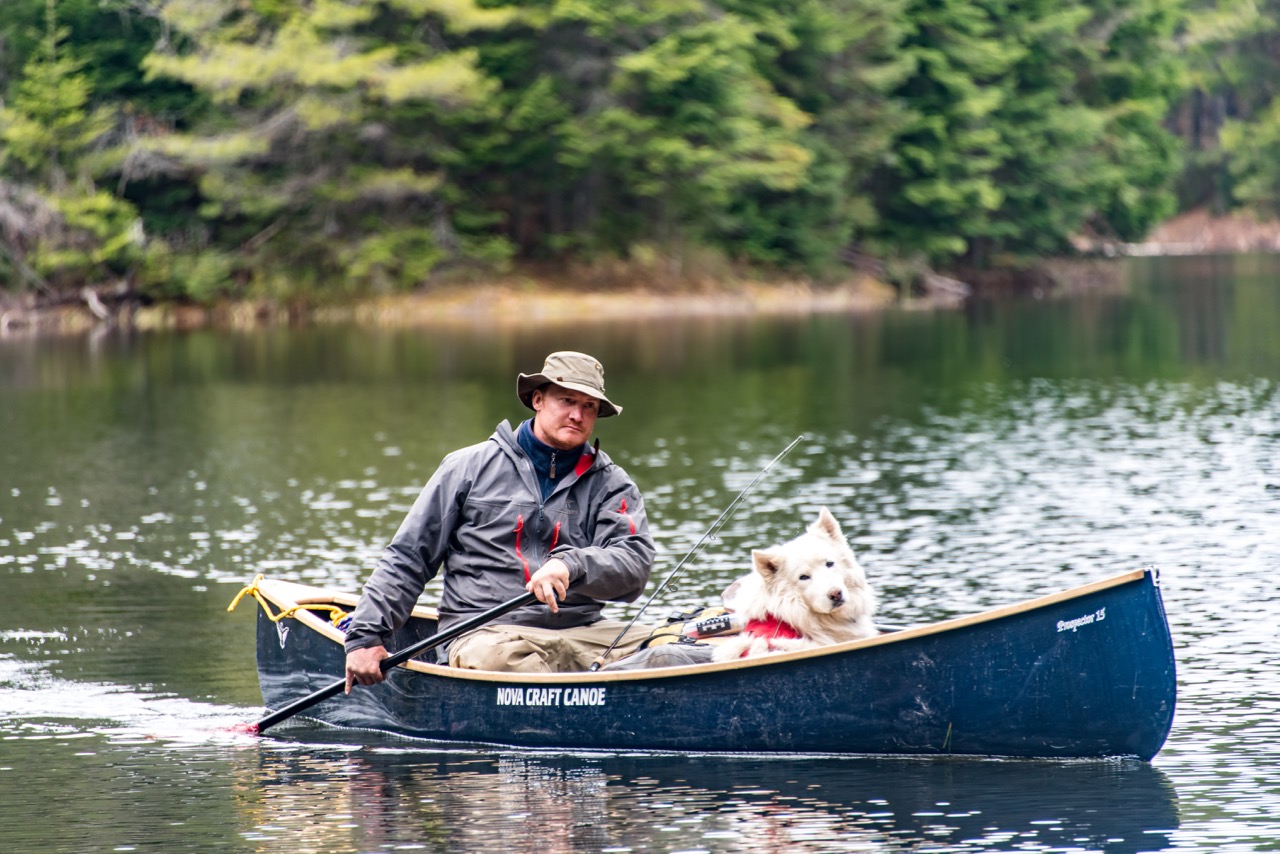
In this shot, I’m cruising across a backcountry lake with my rod at the ready. Trout lakes in Algonquin are deep, spring-fed, cold-water lakes that naturally have no other species of gamefish in them. Lightweight canoe materials such as Kevlar and carbon fibre in stable hull designs are a good choice when accessing backcountry lakes and rivers for fishing. On this trip, I paddled a 15-foot Nova Craft Prospector. It’s a good size to solo, particularly for larger people like me.
Advertisement