


GET THE DRIFT
Mastering drag is key to naturally presenting your fly
Advertisement
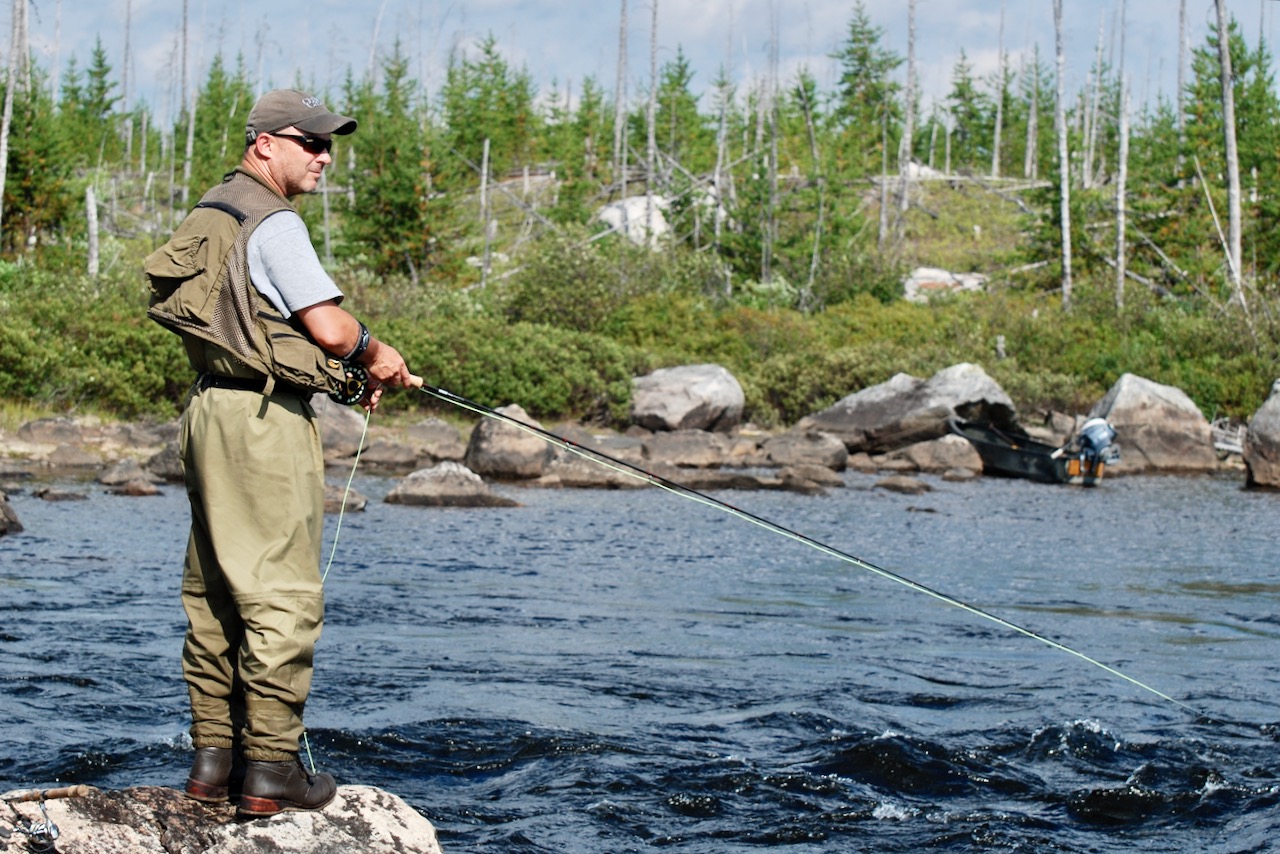 When imitating a drifting insect, the goal is a natural, drag-free drift
My first time fly fishing, I caught almost a dozen little brown and rainbow trout on a dry fly. And it only happened because I didn’t know what I was doing. I was about 15 years old and sort of knew how to cast, but had no idea where to cast. Yet there I was, standing by a small river in the late-afternoon sun, watching fish rising. With a boldness born of youth and ignorance, I tied on a dry fly and made a cast. The fly promptly landed in the middle of the river, where slack line piled up behind it thanks to my poor technique and ancient, soft-action fibreglass rod.
Then the darndest thing happened: because of all that slack, the fly drifted naturally down the feeding lane, and a fish took it. Then it happened again and again after every few casts. I’d stumbled onto a solution for one of the most common problems when fly fishing in rivers: getting a drag-free drift. At the time, though, I didn’t really understand what I’d done, and remained foggy about what drag actually was, and what to do it about it, until sometime later. If you’re wrestling with the same thing, here’s a primer on dealing with drag.
Advertisement
HOW DRAG WORKS
Once your cast lands, the complex river currents start tugging on the line and leader, which can pull your fly unnaturally through the water. Fly anglers call this drag. The most common example is when your line is pulled tight by the current, making the fly speed up and zip across the flow. That’s not how tiny, feeble insects move, and it instantly marks your fly as something inedible.
There are a few situations when drag is helpful, such as swinging a wet fly or streamer across the current. But anytime you’re imitating a drifting insect—either with dry flies on top or subsurface nymphs—the goal is a natural, drag-free drift. You can do this via casting techniques, manipulating your line on the water or, most commonly, a combination of the two.