

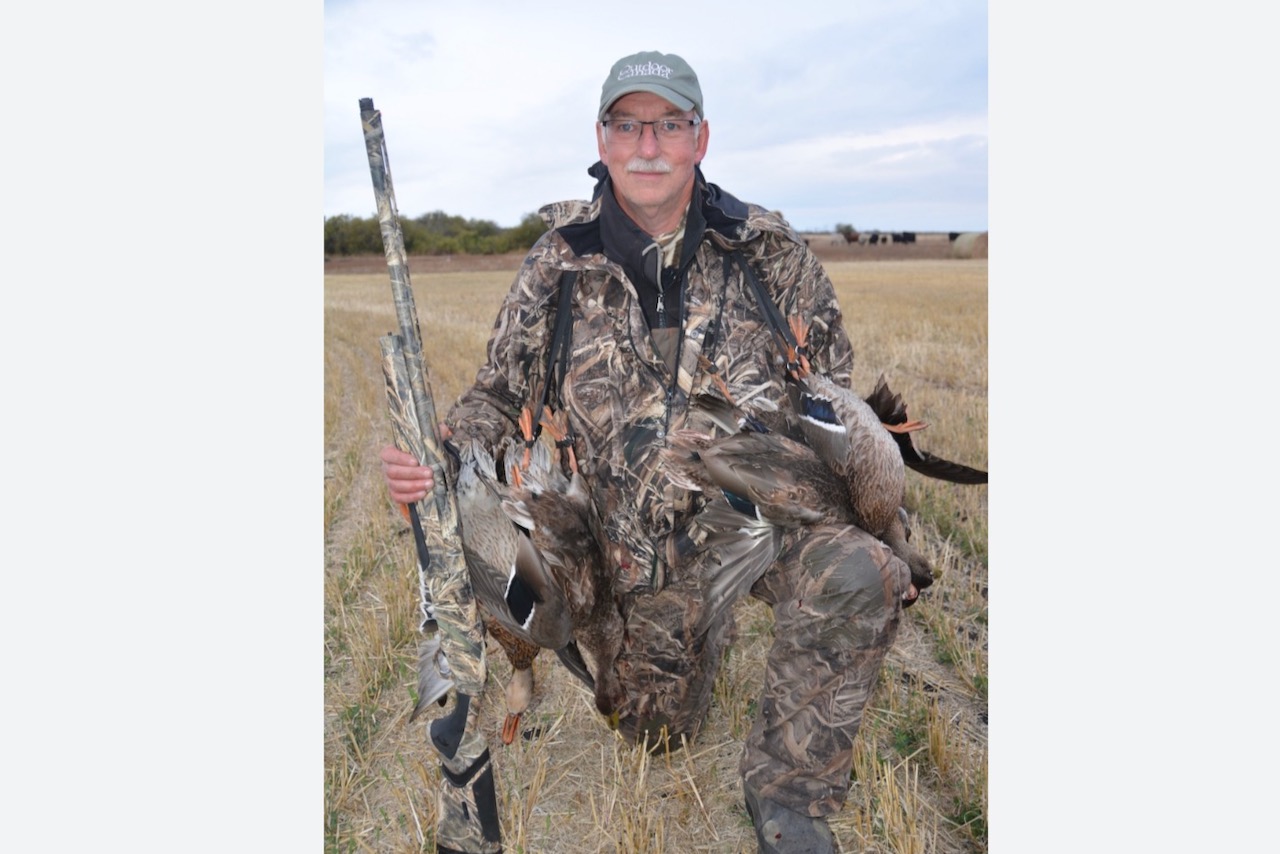

LESSONS FROM THE BLIND
Sage advice on everything a total greenhorn needs—from the proper gear to effective strategies—to start enjoying duck hunting.
Advertisement
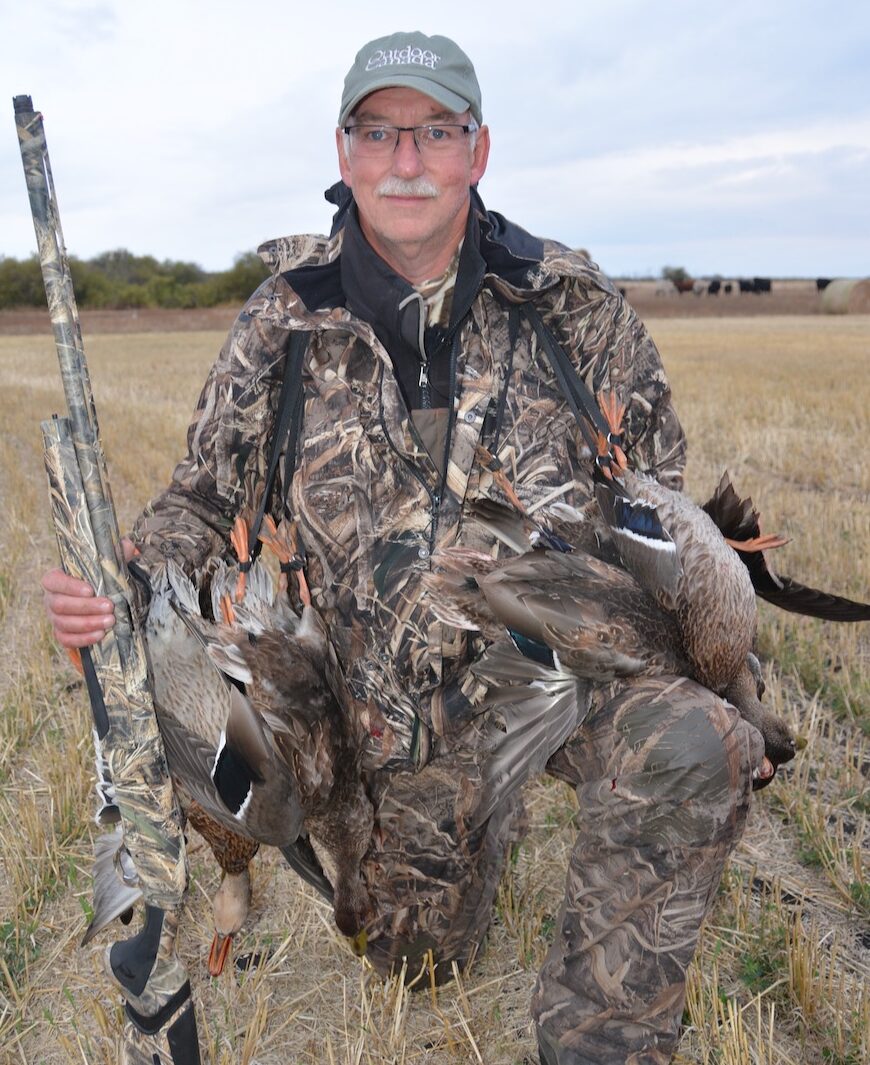 Ken Bailey is a long-time duck hunter
Successful duck hunting is a much more complicated affair than most bird-hunting endeavours. Wingshooting upland game birds generally involves walking through holding cover, shotgun in hand, sometimes with a dog along to help find birds, then taking a shot or two when birds flush. It’s not that simple with ducks.
Most duck hunting entails luring these naturally suspicious birds into shooting range, meaning you need at least a fundamental knowledge of their habits. You must also know how and where to hide yourself and your hunting partners, how to set out your decoys, how and when to call, how to dress yourself to withstand harsh weather, and more.
Advertisement
As complex as duck hunting can be at the highest levels, beginning hunters can still find success by understanding and adopting a few basic principles. And once you have the basics mastered, your path to becoming an accomplished duck hunter comes down to merely gaining more and more experience. The following primer will get you started.
HEAD AFIELD WITH A MENTOR
If you’re interested in becoming a duck hunter, the easiest and best route is through the tutelage of a mentor. In my formative duck-hunting years, I was fortunate to have been taken under the collective wings of a good friend and his father. Their many lessons and good-natured patience allowed me to learn the rudiments of duck hunting in a methodical, easy-to-grasp manner.
If you have a family member or friend who’s an avid duck hunter, ask to go along on a hunt. You’ll find it’s helpful to just observe the first time or two you join them. If you don’t know anyone who can take you out, consider participating in one of the formal hunter mentorship programs offered by the various provincial wildlife federations, Delta Waterfowl, Ducks Unlimited Canada and others.
Advertisement
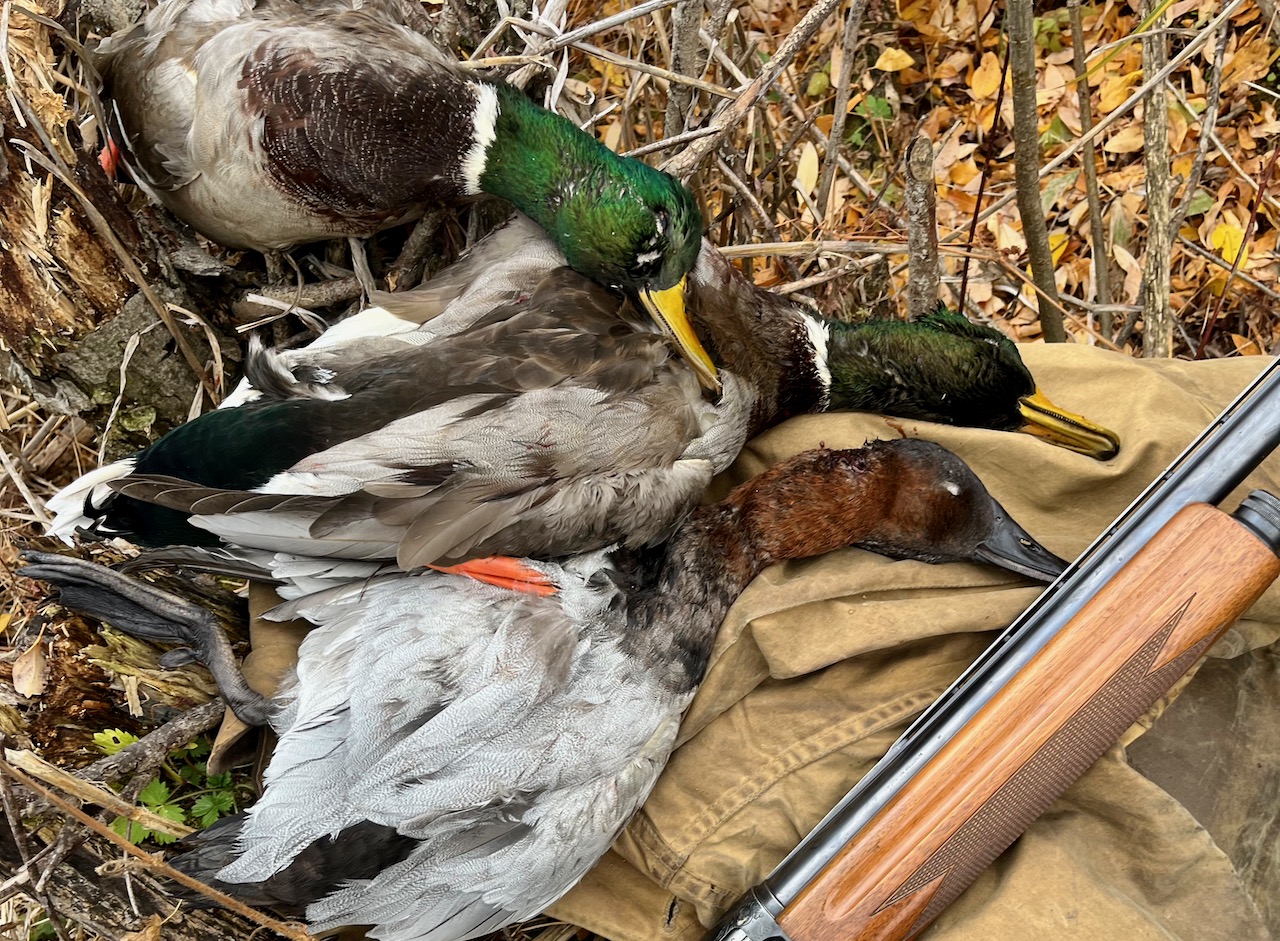 Learn to identify the various duck species
LEARN THE DIFFERENT SPECIES
It’s your responsibility as a hunter to always know what you’re shooting at. Too often, novice duck hunters shoot grebes, loons and an assortment of other waterbirds they mistake for ducks. There are many online tools and numerous field guides available to help you learn to identify the various duck species—study them, and practice identifying birds in the field before you head out with a shotgun.
Distinguishing one duck species from another on the wing can be difficult, even for experienced hunters, but fortunately Canada doesn’t have many individual species restrictions within bag limits. There are a few, however, and that makes it critical to be able to identify the species before squeezing the trigger. When in doubt, the golden rule is to not shoot. No duck is worth a wildlife infraction that will invariably result in a hunting suspension, or worse.
Advertisement
KNOW ALL THE REGULATIONS
When hunting ducks, you’ll need to know the regulations imposed by both federal and provincial agencies. They’re typically posted online and in printed versions, so read them and know them. And don’t confine your understanding to just seasons and bag limits; be sure you’re also aware of the regulations pertaining to firearms, ammunition, access, and the transportation and storage of waterfowl.