



LESSONS FROM THE BLIND
Sage advice on everything a total greenhorn needs—from the proper gear to effective strategies—to start enjoying duck hunting.
Advertisement
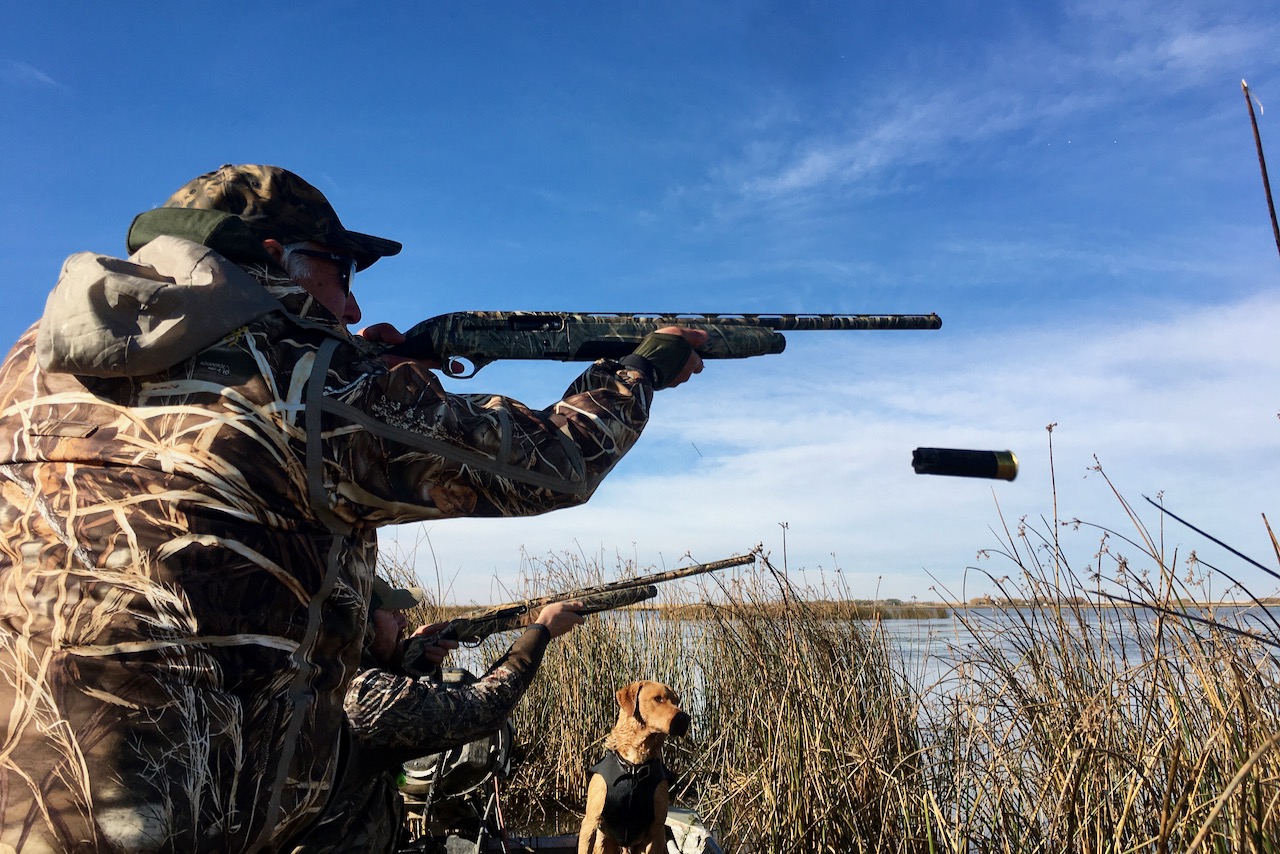 12-gauge pumps and semi-autos are the norm the duck hunters
SELECT THE PROPER FIREPOWER
When it comes to shotguns, fit equals form equals shooting success. Fortunately, many of today’s shotguns feature adjustable stocks and lengths-of-pull, allowing for customization. Take advantage of that versatility by experimenting on the clays range until you find the combination that fits you best.
As for action types, pumps and semi-autos are the duck hunting standards, as both offer the benefit of a third shot. Some suggest pump actions are more reliable, but today’s semi-autos also offer outstanding reliability. They also effectively handle both light and heavy loads without problem.
Advertisement
The durability of composite stocks is hard to beat and replaceable choke tubes should be standard equipment. And don’t feel the need to purchase a shotgun capable of handling 3½-inch loads; there’s little practical use for them. Modern over/unders have a place in duck hunting, but they can be inconvenient and less safe in the blind. Plus, they don’t allow for a third shot, which is often necessary to anchor wounded birds.
In terms of gauge, it’s difficult to beat the versatile 12-gauge. The increased pellet load as compared with smaller gauges makes a meaningful difference in the number of birds hit. The exception might be for smaller-framed individuals or those who can’t handle the recoil. Improved cylinder chokes are best for decoyed ducks, although you may want to tighten up to a modified choke when shooting passing or reluctant birds.
Duck hunters have never had more shotshell options than they do today, with steel, bismuth, tungsten-iron and tungsten-polymer loads now available. Relatively new is the mixing of two different shot sizes and/or types in one shell, the theory being these loads offer dense patterns at both short and long range.
Advertisement
So, what’s the best load out there for first-timers? To some extent, you get what you pay for, but modern steel loads are fast, affordable and reliable, so they’re my recommendation. For decoying mallards, #4 or #5 shot is ideal. If you’re jump-shooting teal, you may want to step down to #6s. As for tough-to-kill divers, consider #3s.
LEARN TO CALL PROPERLY
Effective calling is a mixture of art and science, and while the science can be learned relatively easily, the art portion comes only with time, practice and some natural ability. A magazine article can no more teach you to be an effective caller than it can instruct you how to play the clarinet. It can tell you where to place your lips and fingers, but the best way to learn to call is by practising it.
Advertisement
Until you become proficient at calling, though, my advice for first-timers is to leave the call at home, as poor calling can do more harm than not calling at all. Besides, ducks know where they want to be, so just let them come. In the meantime, watch a few online videos and practice at home or in the truck until you’ve got it mastered. Only then bring your call into the field.
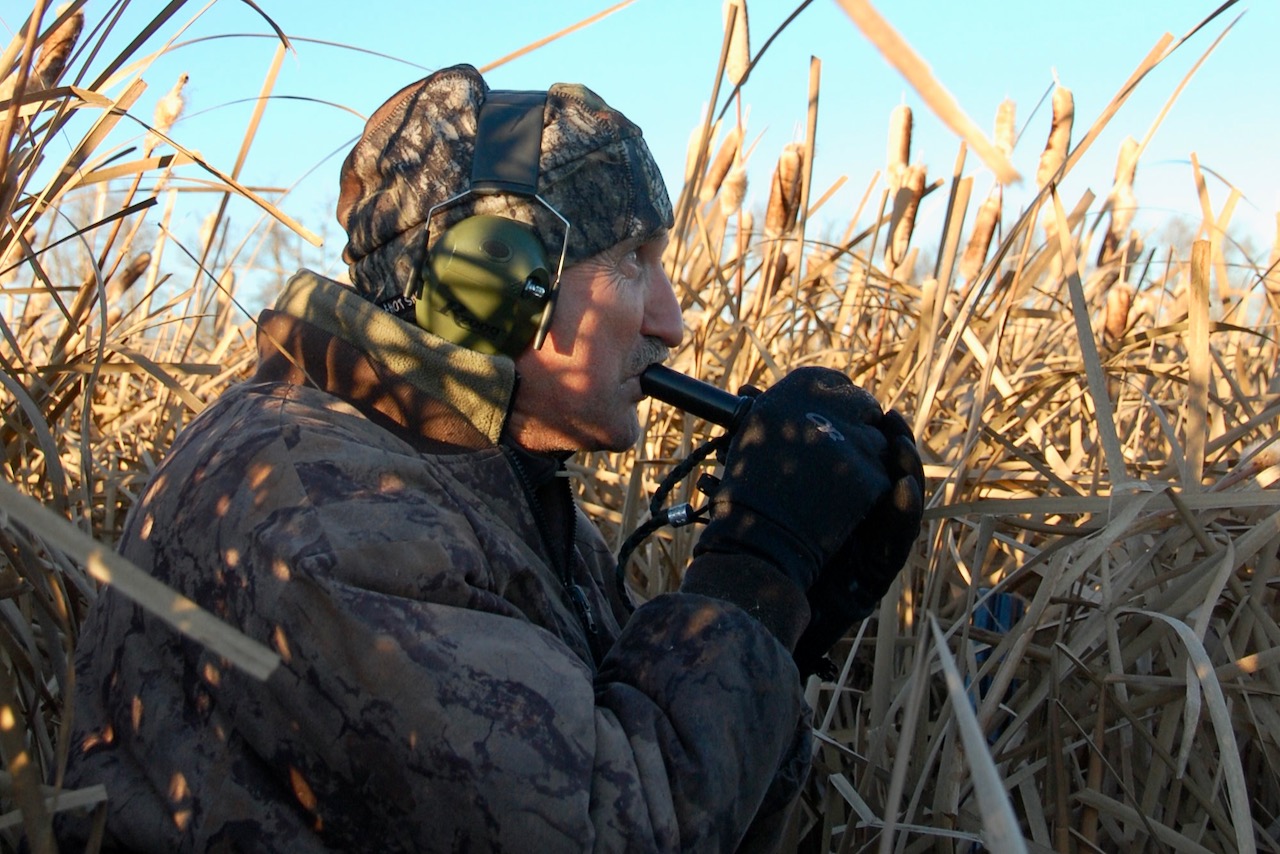
Only call once you’ve perfected your technique
GET THE RIGHT ACCESSORIES
You don’t need to purchase expensive clothing and gear to successfully hunt ducks. Camouflage apparel is helpful, as ducks have an amazing ability to detect movement. If you’ll be well-concealed in a blind or behind natural cover, however, any clothing that keeps you warm and dry will suffice. When hunting over water, you will want waders for setting out decoys and retrieving down birds. Again, you don’t need to break the bank; there are lots of affordable and durable options available.
You’ll also need a blind bag to carry your shells, calls, gloves, drinks, snacks and other necessities. It doesn’t have to be fancy, but it should keep your gear dry and clean. Check out surplus stores for options. A seat is another must-have, and a simple five-gallon pail will do the trick. Spray paint it dull brown, green or black to ensure it doesn’t alarm incoming ducks.
Duck hunters are a breed apart. Unlike most other hunters and anglers, we don’t measure and compare our success by standards such as size, weight and length. Days afield are instead measured by more complex, ethereal and often very personal standards: the glorious sight of mallards with feet down, wings out and head forward as they struggle against a prairie wind; the steady retrieve of an eager dog; the easy swing of a well-oiled shotgun; the unsophisticated artistry of an effective decoy spread; and the vivid memories of days past, recalling the camaraderie and both the follies and the successes.
Once you appreciate all that, you can confidently call yourself a duck hunter.