

VISE OPTIONS
Alternative tying materials for thinking outside of the fly box
Advertisement
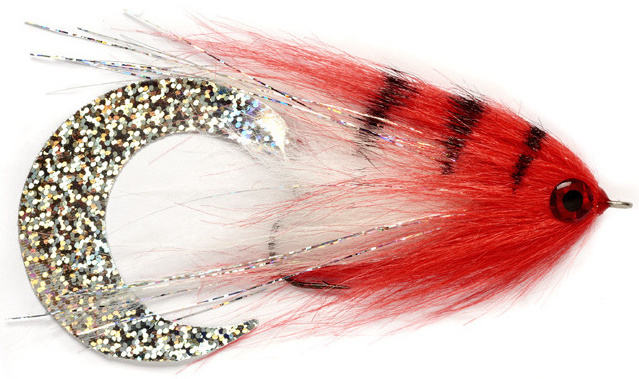 Paolo’s Wiggle Tail incorporates three new fly-tying materials: brushes, craft fur and curly tails
Flies are often described as creations of “fur and feathers,” an evocative term beloved by anglers for its classiness and alliteration. Since at least the 1800s, however, many flies have included artificial materials, in particular metallic tinsel, which added lethal flash to Victorian-era patterns. It’s a reminder that while fly fishing can seem hidebound, there have always been innovators who look at something shiny or interesting, and wonder if they can lash it to a hook.
The following are three newish fly-tying materials that have quickly found a home on my bench. They’ve been around for a few years, yet I don’t see them in too many other Canadian fly boxes, suggesting they haven’t really caught on here. That’s probably because these products emerged from saltwater and predator fly fishing, which are still fairly niche in this country. But they offer a lot of interesting, creative and fish-catching possibilities, and they’re perfect if you want to try some new patterns or just noodle around at the vise this winter…
Advertisement
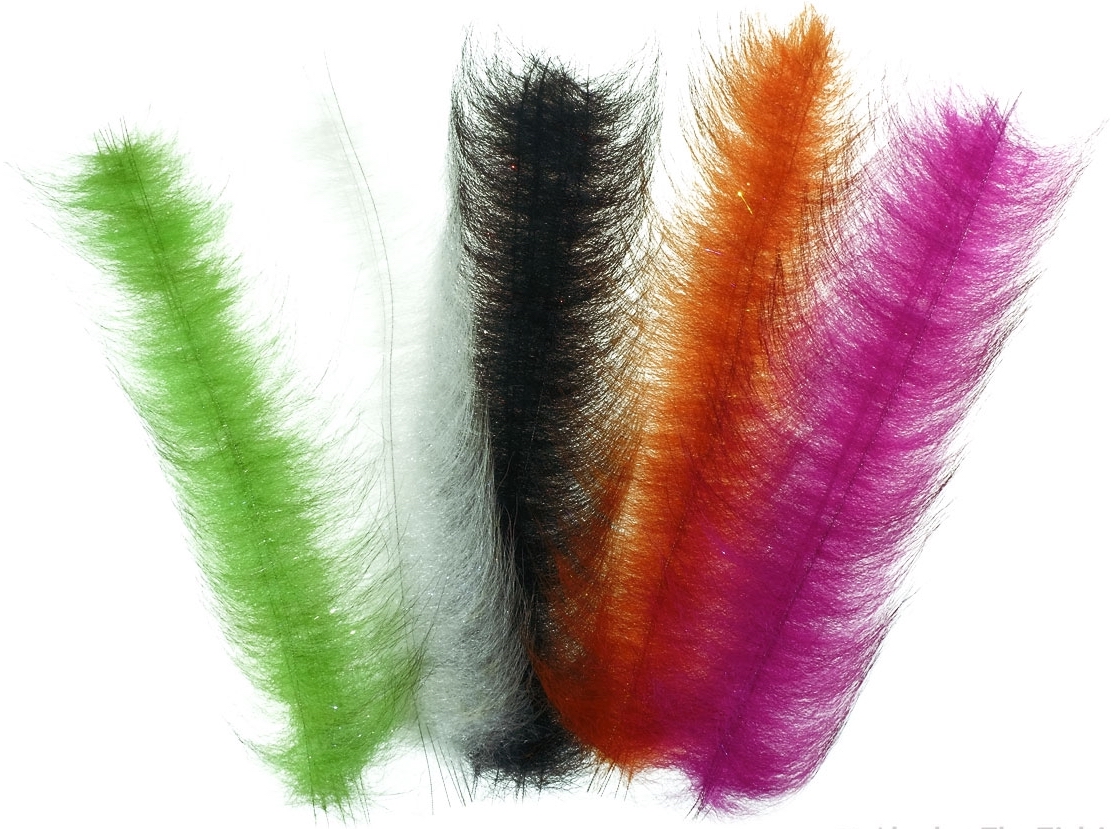 Brushes make quick, easy and very tough bodies or collars
BRUSHES
Made of blended synthetic fibres twisted around a wire, brushes resemble a wildly overgrown pipe cleaner. When you wrap the brush around the hook shank, the material flares out. This lets you quickly make collars or entire bodies by tying in a single material, instead of multiple feathers or dubbing on loose fur. And the result is nearly indestructible, since even the toothiest gamefish won’t damage the wire or fibres.
Brushes haven’t been around long, but they already come in a wide variety of colours, lengths, textures and densities. There are so many choices, in fact, it’s wise to buy brushes in person if you’re looking for specific characteristics, as it’s hard to see what you’re getting from just a photo.
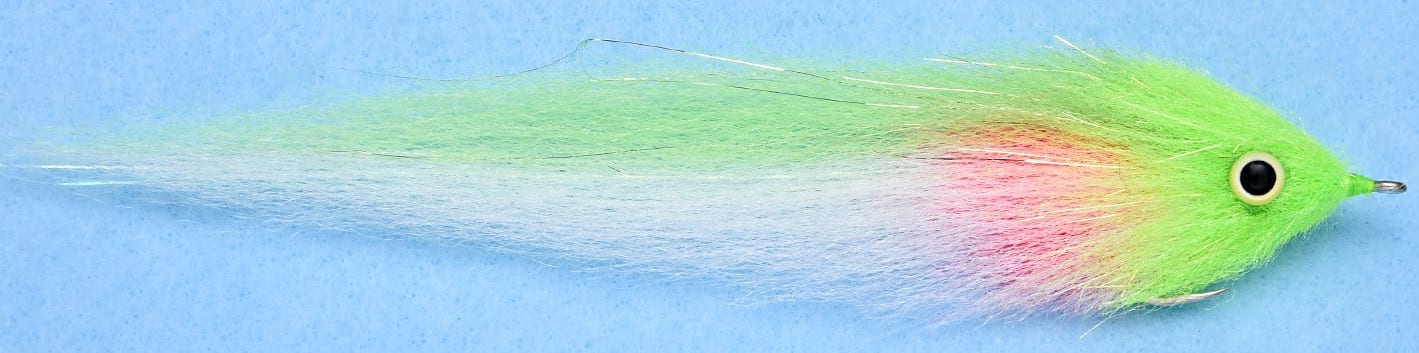 The head of the EP Pike/Offshore is made with a tightly wound brush
I use brushes to make a durable (and sparkly) body on Seaducer- and Woolly Bugger-style streamers, and to create large, thick heads that push a lot of water on big baitfish flies, such as the EP Pike/Offshore. There are many more applications for flies both large and small, including plenty that no one’s even thought of yet. (To see how to use a brush to make a quick, one-material baitfish fly, click this link.)
Advertisement