

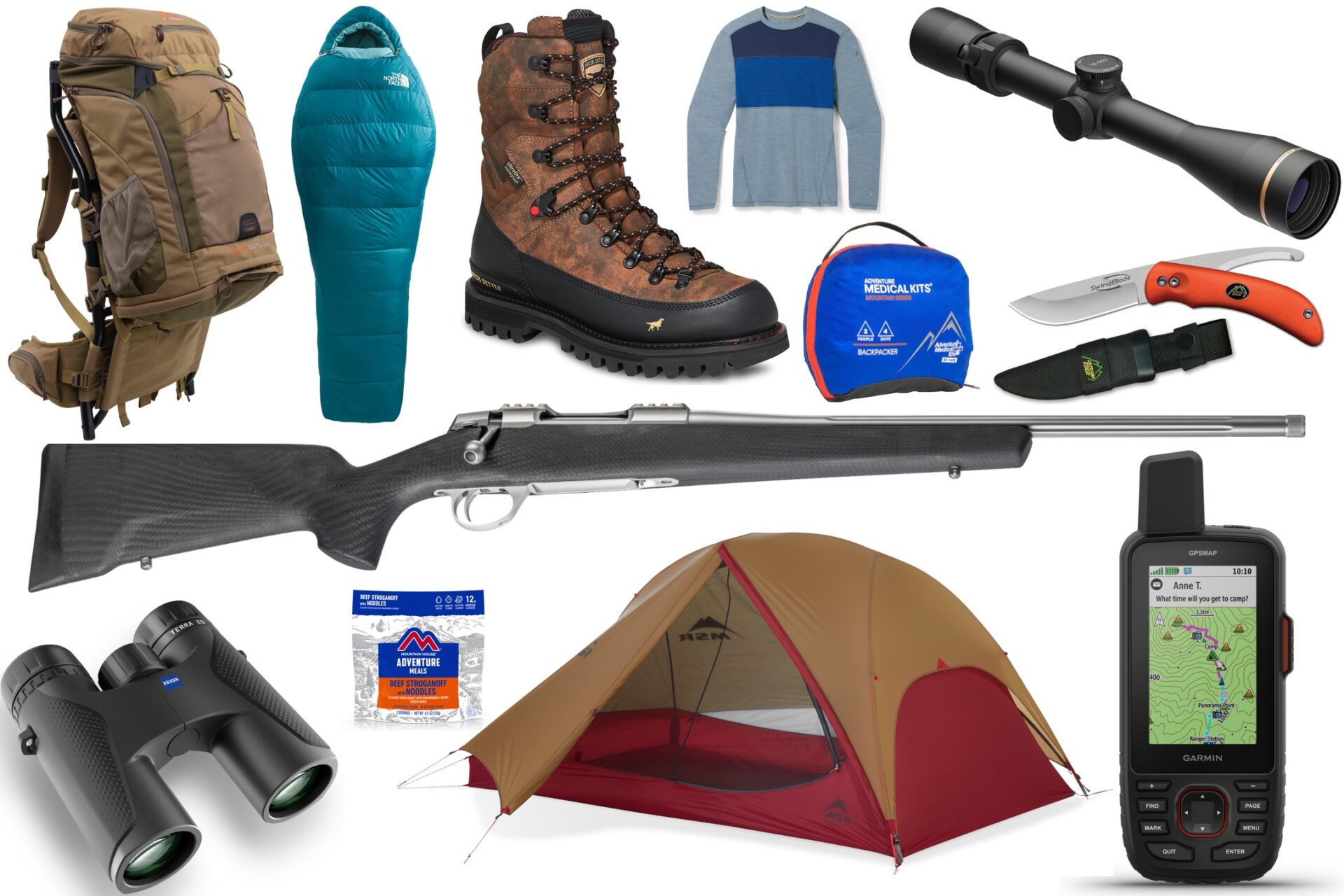

TOOLS OF THE TRAIL
To guarantee a successful backcountry hunting adventure, you need to pack just the right gear—and now’s the time to start planning
Advertisement
#10 HUNTING KNIFE
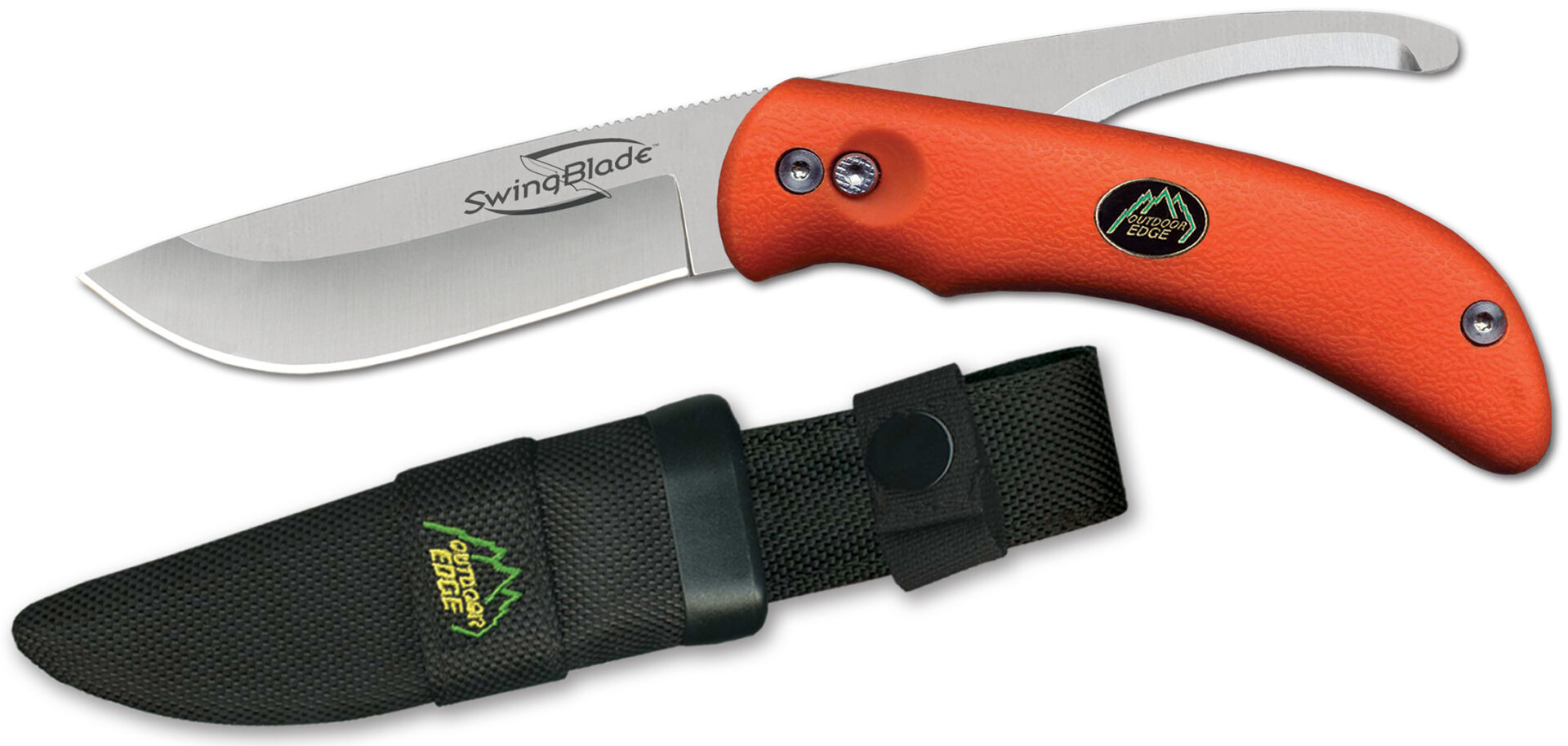
Whether you prefer fixed-blade or folding hunting knives, I will cut to the chase and suggest the two most useful blade styles to bring are the drop point and a gutting blade. I like the drop point because of its versatility and strength, while a gutting blade takes the guesswork out of opening up the body cavity; consider a knife that combines both. I also prefer a four-inch stainless-steel blade that’s hard enough to retain an edge, but also easy to sharpen. The three types of steel that top my list are VG-10, AUS-8 and that old classic, 440C. I also recommend a colourful handle that’s non-slip, such as rubberized TPR, which fits your hand well and is easy to find if you set the knife aside while field dressing.
Advertisement
#11 FOOD AND WATER
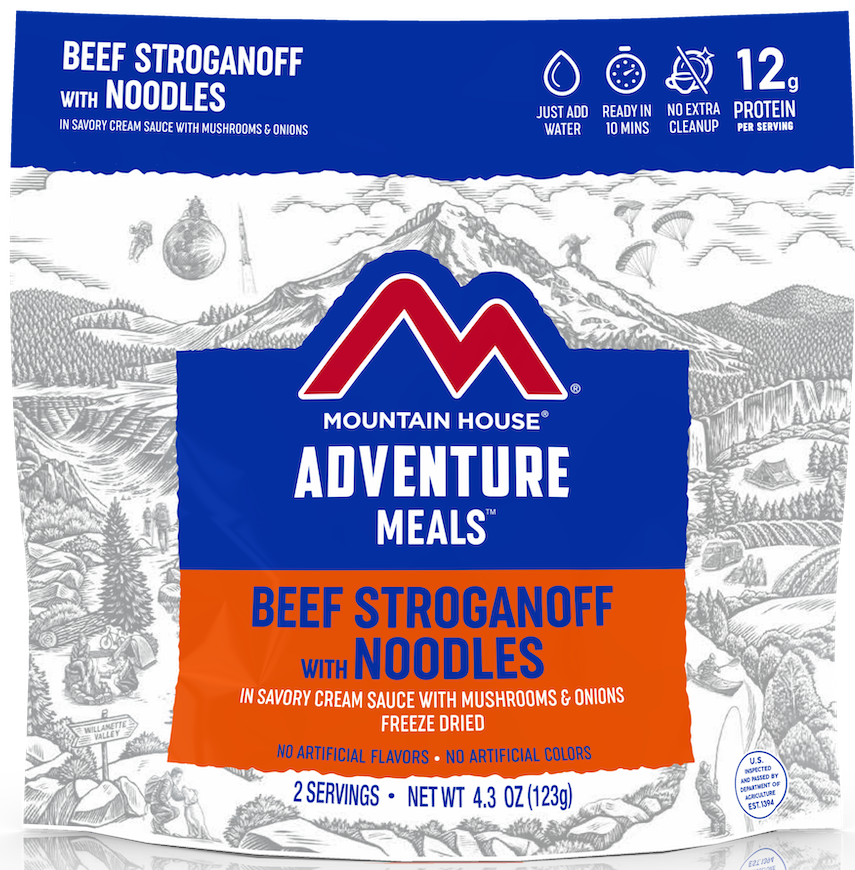
It has been calculated that a climber weighing 155 pounds may require between 5,000 and 7,000 calories during any given six-hour climb. Backcountry hunters may not burn that many calories, but when packing meat or ascending into sheep or goat country, they’ll be close. So, pack high-energy foods such as trail mix and energy bars, as well as electrolyte water enhancers. And plan your main meals around calorie-laden, freeze-dried foods, such as beef stroganoff with noodles in a cream sauce. And you want those meals to be flavourful, because at the end of an exhausting day, you may have to force yourself to take the time to eat.
For cooking, eating and drinking, bring a mini stove, aluminum or titanium pots, cutlery and a cup. It should all fit in a carrying bag and collectively weigh about a pound. For lengthy stays in the backcountry, also bring extra fuel for your stove. And finally, bring a water container with an integrated water-purifying system to filter out contaminants and prevent parasitic infections such giardiasis, commonly known as beaver fever.
Advertisement
#12 SUNDRY ESSENTIALS
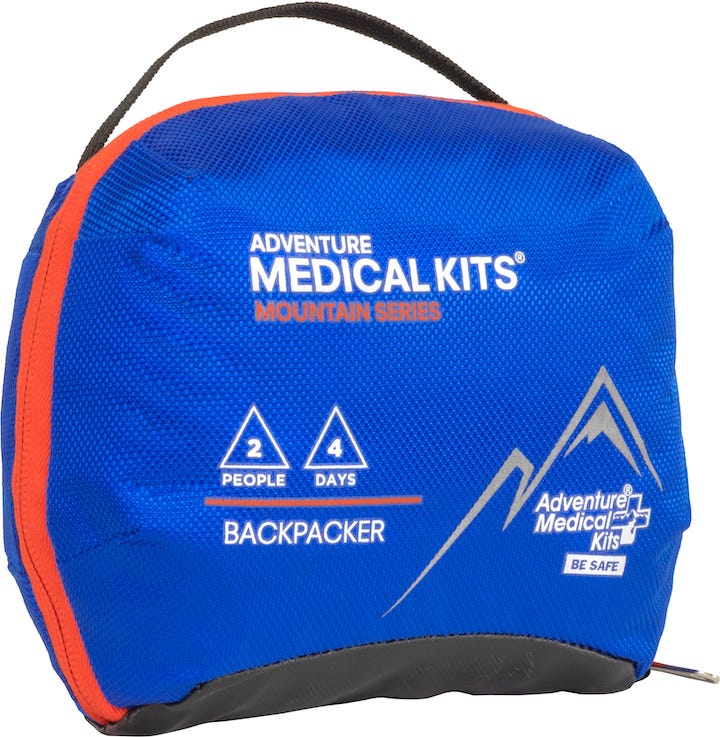
While packing light is a priority on any backcountry hunting trip, don’t leave home without a compact first aid kit, a headlamp and spare batteries, and a nylon tarp for covering your gear at night and keeping meat off the ground. You also want to bring a compact knife sharpener, nylon lashing rope, a camera (or smartphone), insect repellent if needed, game bags and, if weight permits, a lightweight spotting scope and rangefinder. And one more thing—don’t forget your ammunition!
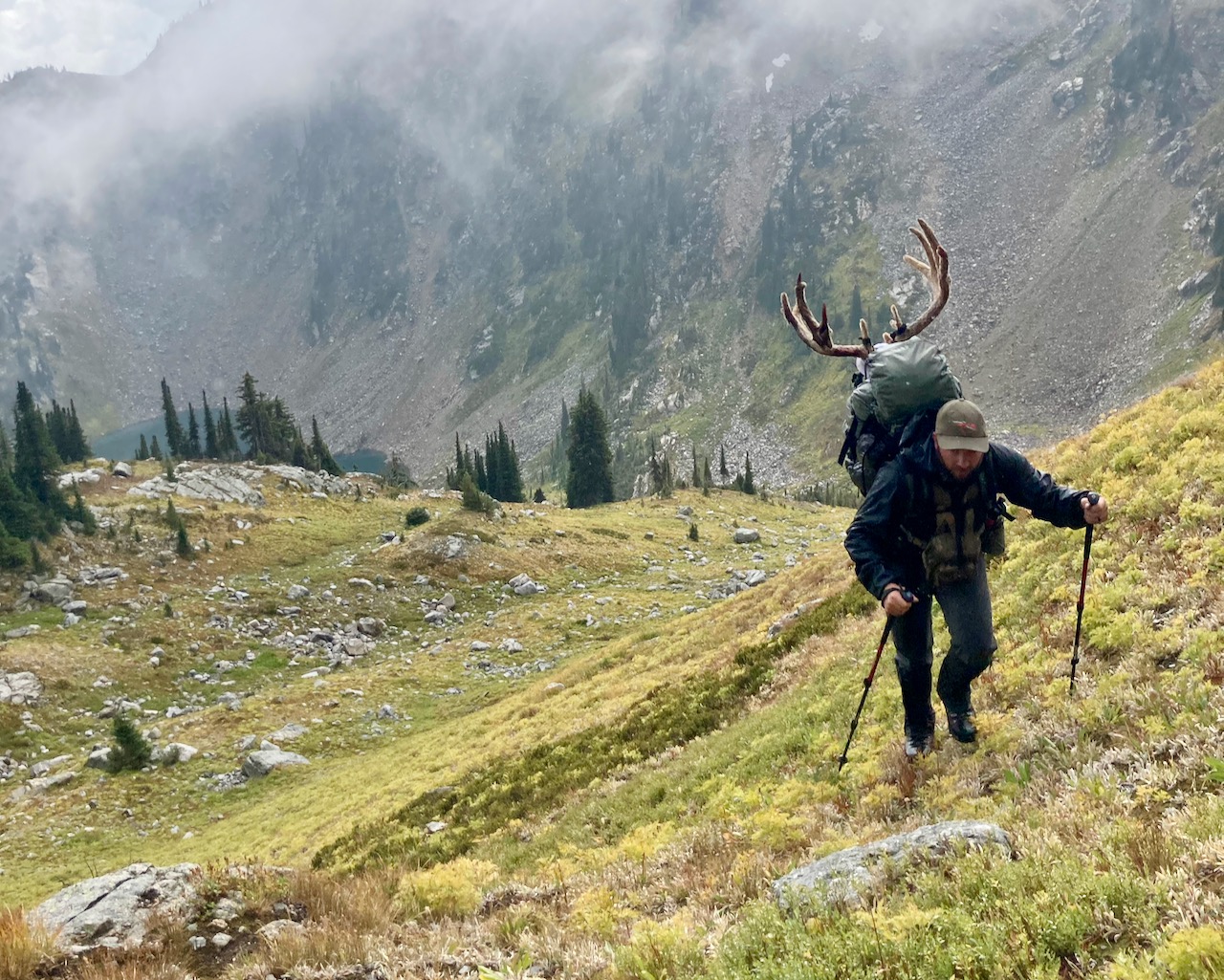 Photo: Sam Johnstone
BONUS TIP: PLAN FOR SUCCESS
Backcountry hunts can be very demanding, so it’s vital that you are in peak physical condition. Prior to my mountain hunts, I spend months hiking with loaded packs, jogging and climbing every set of stairs I can find. Also well before you head out, consider how you’re going to field dress and pack out the game you harvest. While boning and cutting the meat into packable sizes will help, you also need to establish how far you can realistically pack out a heavy load. For example, I set specific distances for various-sized game and never exceed them.
It’s also important to get to know your destination beforehand. Study satellite imagery, and talk to trappers, guides, game biologists or other hunters who know the area to help plan your route, select hunting areas and find access to drinking water. And, of course, opt for a time of year and location that will give you the best chance to harvest the game you want. Finally, hunt with a partner and hunt safe—if there’s ever an emergency, help will often be many hours away.