

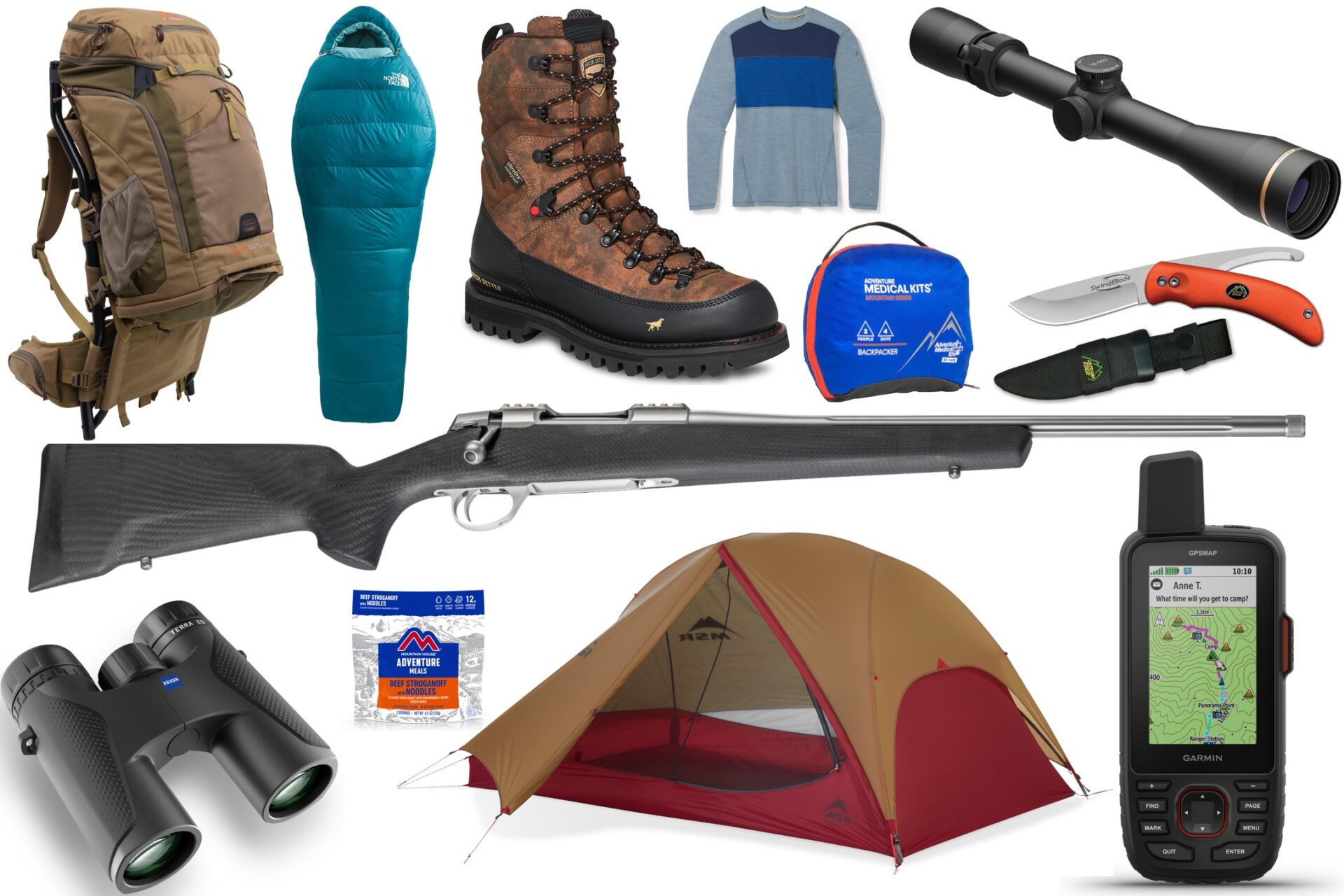

TOOLS OF THE TRAIL
To guarantee a successful backcountry hunting adventure, you need to pack just the right gear—and now’s the time to start planning
Advertisement
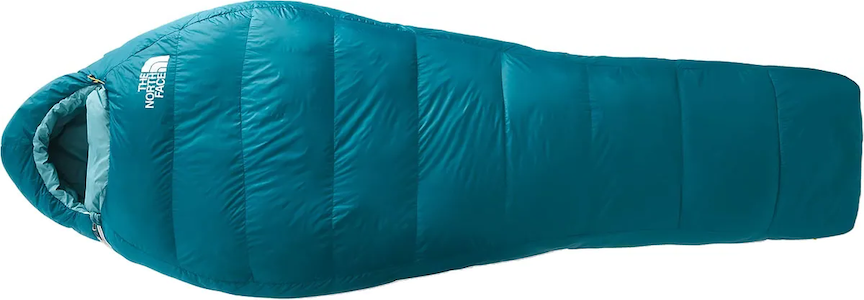
#7 SLEEPING BAG
A down mummy-style sleeping bag with a baffle construction to keep the down evenly distributed is ideal. It should include a water-repellent shell, and a jacket-style hood. It should also weigh less than three pounds and stuff into a sack no larger than 10 by 20 inches. And for a comfortable night’s sleep, also bring a compactible, self-inflating sleeping pad.
Advertisement
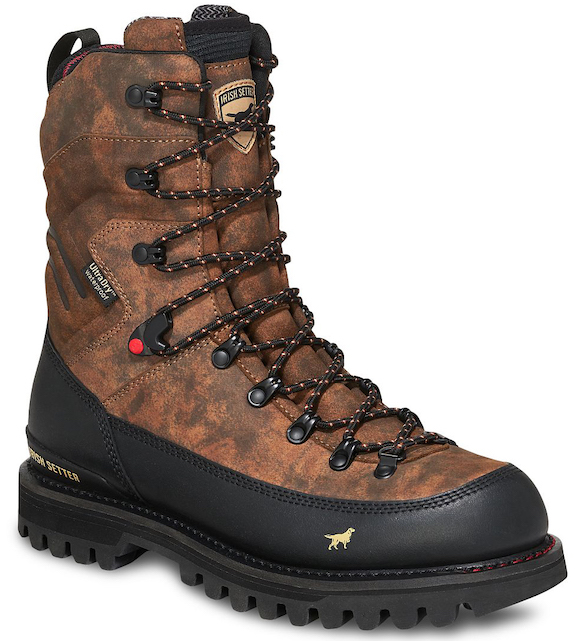
#8 BOOTS
The number one hiker’s injury is blistered feet, which can quickly shut down a hunt. To avoid this, make sure your boots are properly broken-in before heading off-grid. As with clothing, the time of the year will play a role in some aspects of your boot selection. On early-season hunts, go with non-insulated boots, but later in the season, select boots with suitable insulation for the lower temperatures.
I prefer leather boots of 10 inches in height for the additional support and rollover protection they provide in rocky or uneven terrain. Stream crossings are also more doable with a higher boot. Weight is another factor to consider, as even a light boot will feel like it has lead soles by the end of the day. That being said, performance trumps weight.
Advertisement
Backcountry hunting boots must have completely waterproof and breathable liners to keep water out, but allow sweat and moisture to escape. They should also be able to resist abrasion in tough terrain, and have a padded tongue and an EVA midsole that maintains cushioning and won’t break down. As well, you want durable outsoles that can handle various types of terrain. To prevent unwanted foot movement, I prefer a lace-to-toe fit.
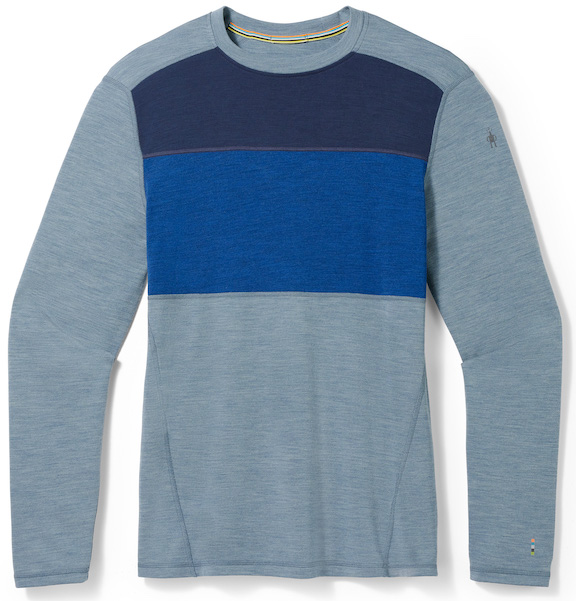
#9 APPAREL
While your choice of clothing and camo pattern depends on the time of year and location of your hunt, layering is key, as it allows you to add or remove clothing to match the conditions. For a base layer, nothing beats merino wool. For mid- and outer layers, look for clothing that offers breathability, followed by comfort, durability, multi-directional stretch, packability and weather protection. It should also be lightweight. Bring extra socks, and whenever possible, start each day with a fresh pair, even if it means washing them and drying them on the back of your pack while you hike. And definitely don’t forget packable, lightweight rain gear.