

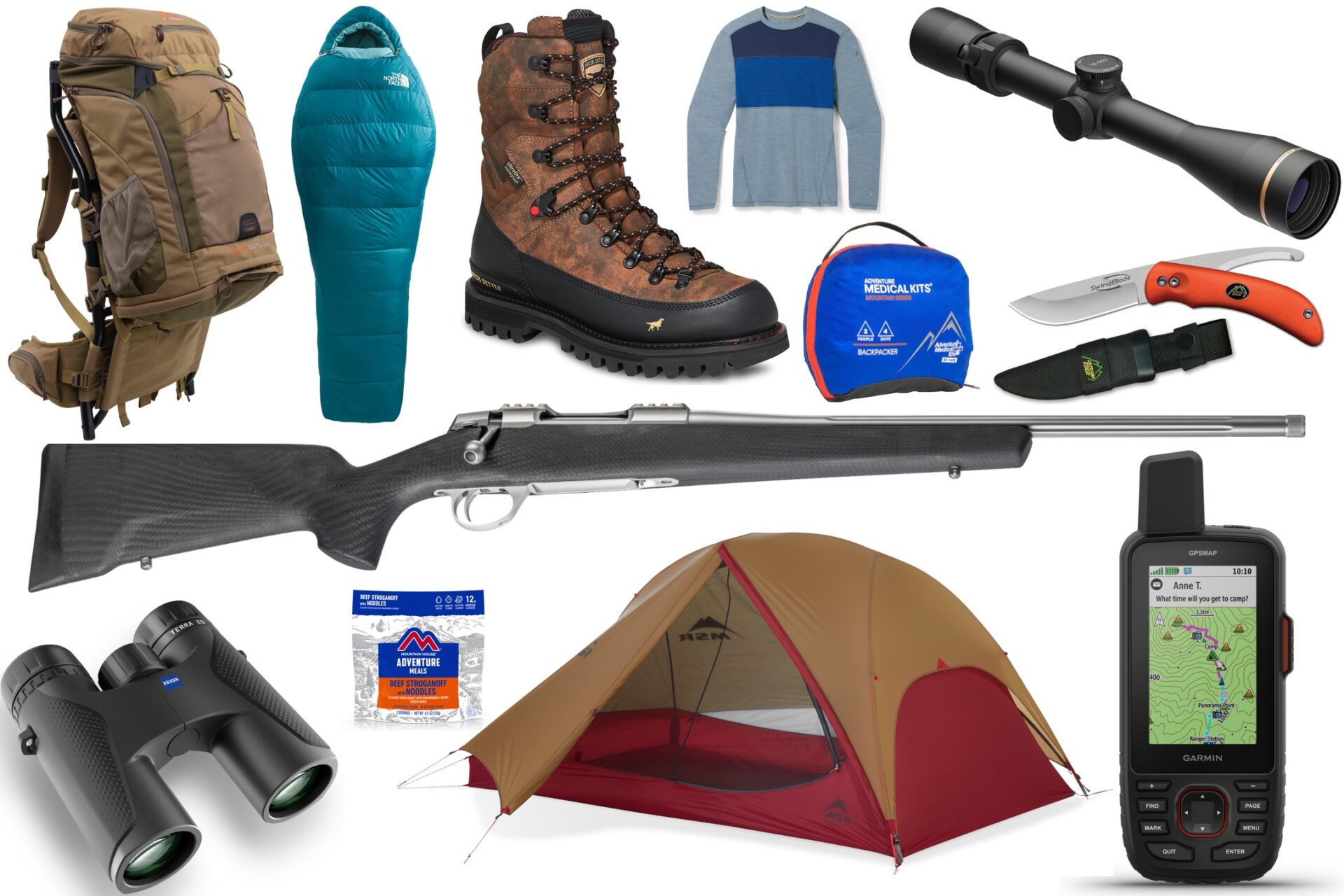

TOOLS OF THE TRAIL
To guarantee a successful backcountry hunting adventure, you need to pack just the right gear—and now’s the time to start planning
Advertisement
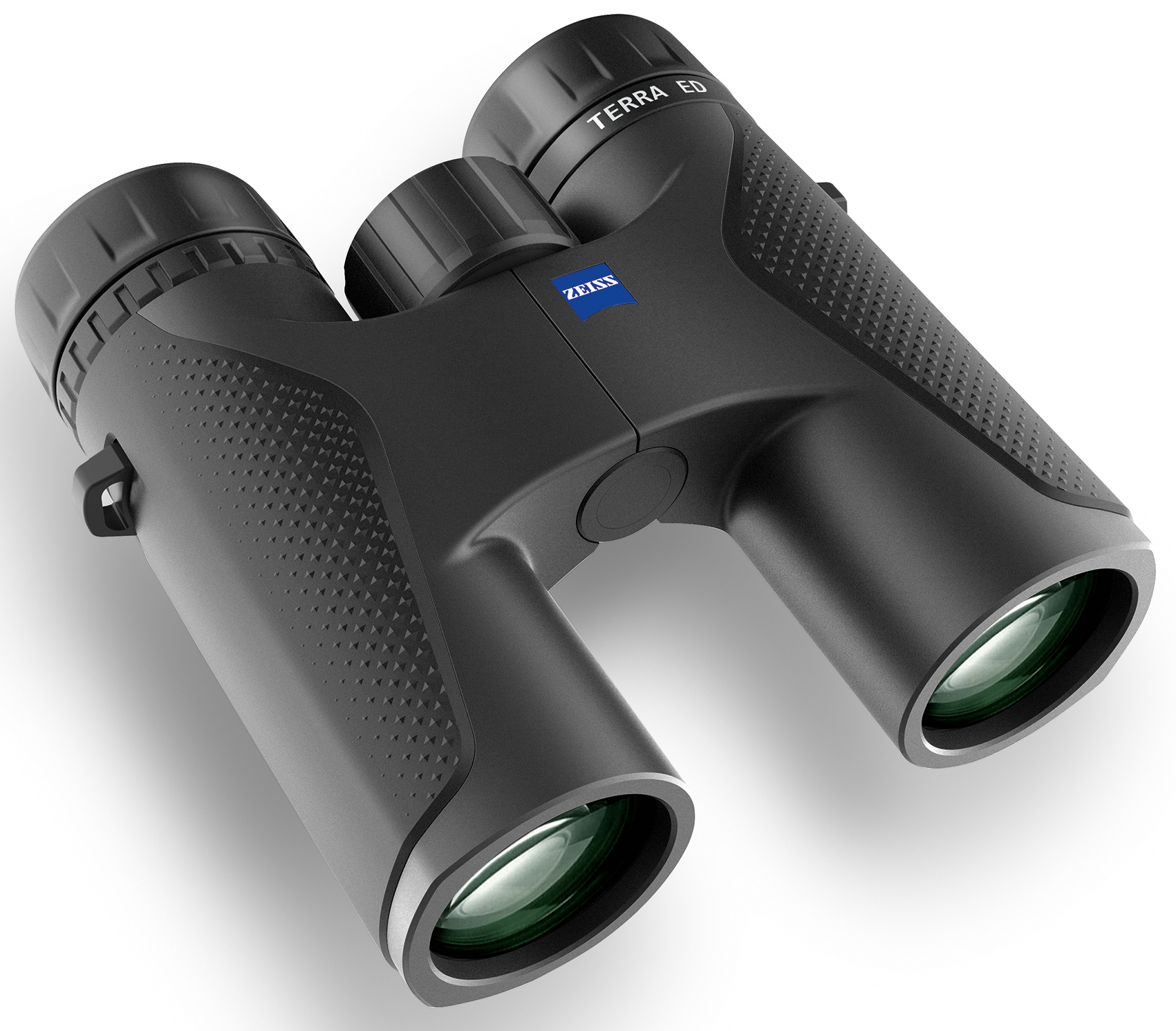
#4 BINOCULARS
When you’re not hiking during a backcountry hunt, you’re glassing, so you need a lightweight pair of compact or pocket-size binoculars. During long sessions of glassing, these diminutive binoculars are more difficult to steady, so optical quality is also essential.
Advertisement
Pocket-size binoculars, in either 8×25 or 10×25, are the lightest and smallest option. The 8x delivers a wider field of view and can be a bit easier to steady, but the extra magnification of a 10x is often crucial for determining whether an animal is legal to shoot. Most pocket binos are roughly five inches in length and weigh less than 12 ounces. They’re easy to carry, but not as steady to hold, or as bright, as the slightly larger compacts.
Sporting a larger objective lens, compacts are easier to hold and brighter, but they weigh more. A good all-around option is a compact 10×30/32 that weighs about a pound. If you’re not as concerned about weight, consider either an 8×42 or 10×42 instead; they weigh about 1½ pounds, but make for steadier and longer glassing without eye strain. No matter your choice, look for premium ED glass, armour coating, water- and fog-proofing, fully multi-coated lenses, excellent colour, edge-to-edge clarity and bright, crisp images. And if possible, try to forget what they cost.
Advertisement
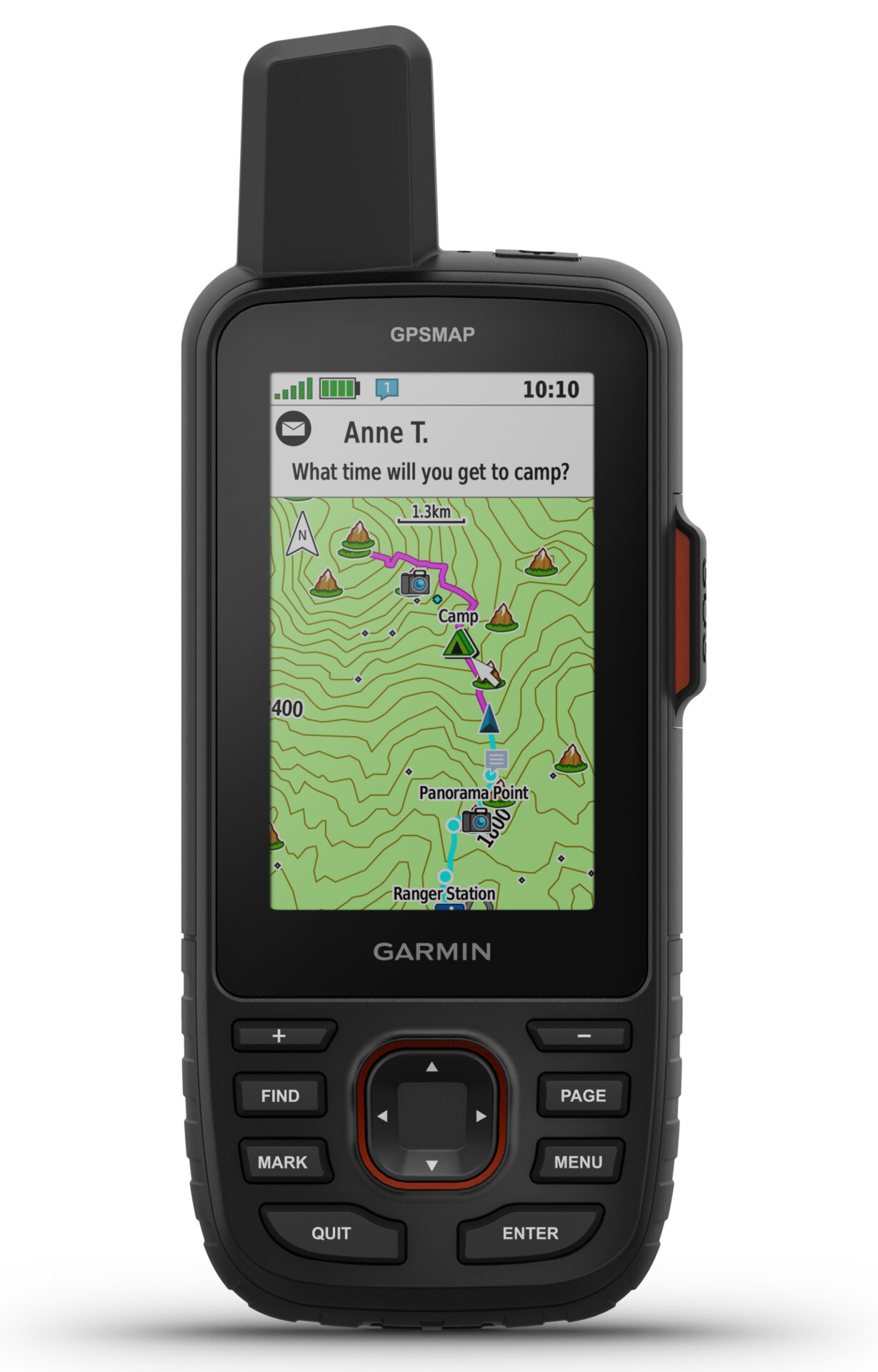
#5 GPS UNIT
Whether your backcountry adventure begins at the road’s end or at a fly-in lake, you need to be able to chart a route, stay on course and find your way back. A good handheld GPS unit can help you do all that and more, providing maps and satellite imagery of the area you intend to hunt, complete with waypoints.
Today’s units also monitor the weather, provide elevation data and offer an onboard compass as a navigation backup. They can even allow folks back home to follow your adventure via the location-tracking feature. Perhaps most importantly should you need to be rescued, many units can also send an SOS alert with your coordinates to emergency responders. Compact and weighing less than 10 ounces, a handheld GPS can offer hundreds of hours of battery life—and peace of mind.
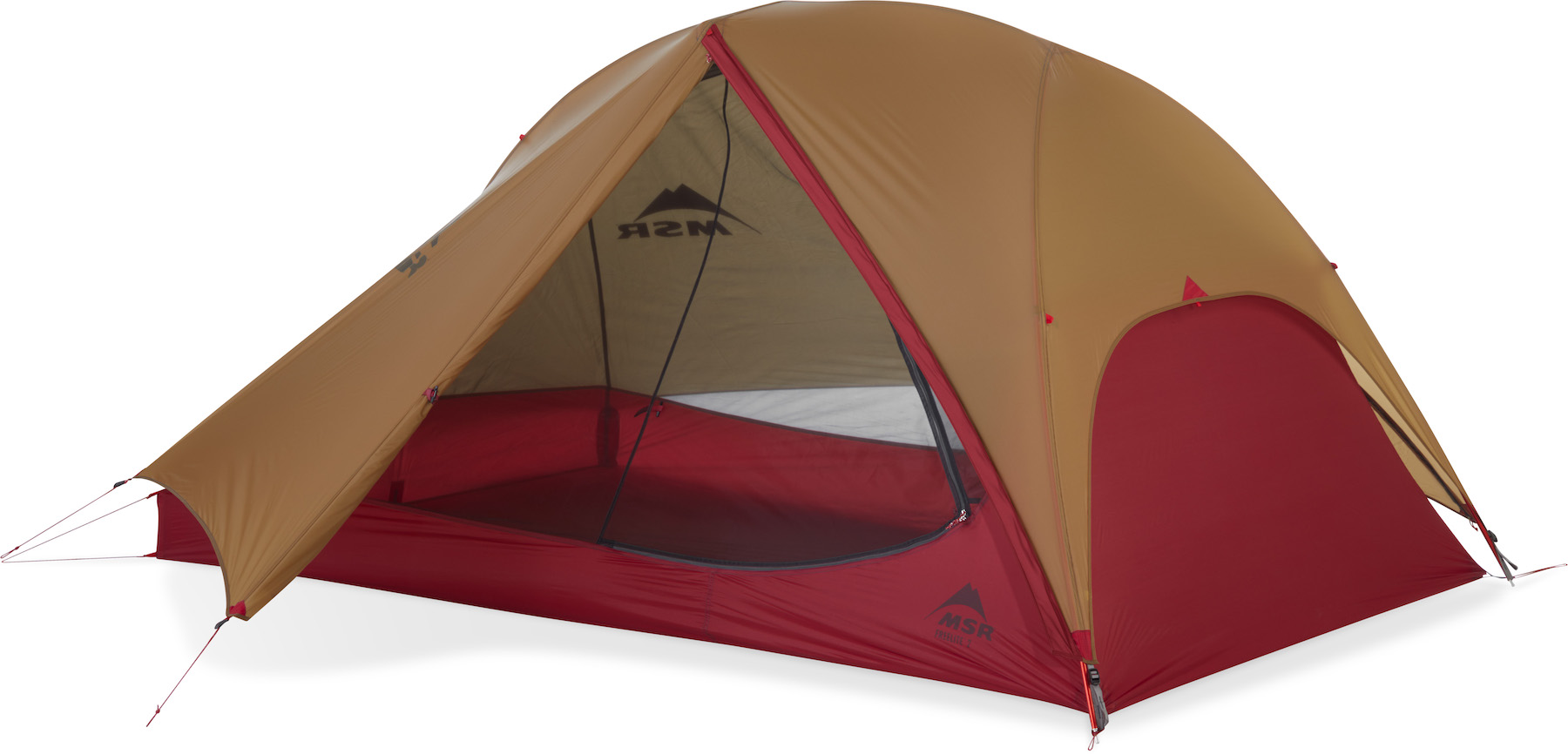
#6 TENT
At the end of a long day of trekking, no one needs the frustration of a tent that’s difficult to set up (or tough to pack up in the morning). With that in mind, look for a tent that’s either semi-freestanding or freestanding, complete with a waterproof fly and floor with taped seams. It should also have at least one easy-access door, a vestibule for storage, super-strong lightweight poles and reinforcements in key areas. As well, it must be able to withstand strong winds, and offer bug protection and plenty of ventilation. A one-person tent should weigh less than two pounds, while a two-person should not exceed three.