

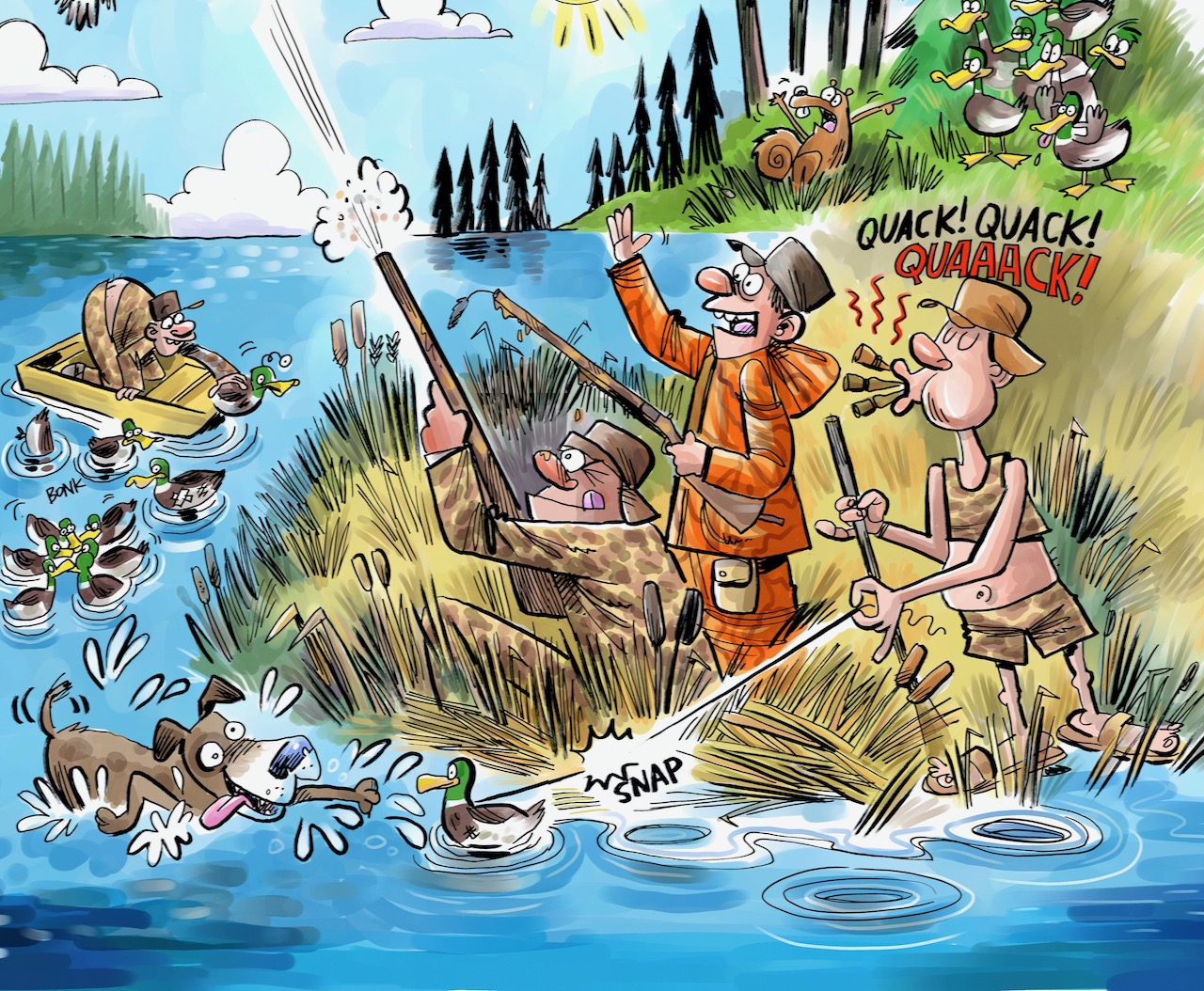

THE DIRTY DOZEN
12 common mistakes that can totally @#$%&! your duck hunt—and how to avoid them in the first place
Advertisement
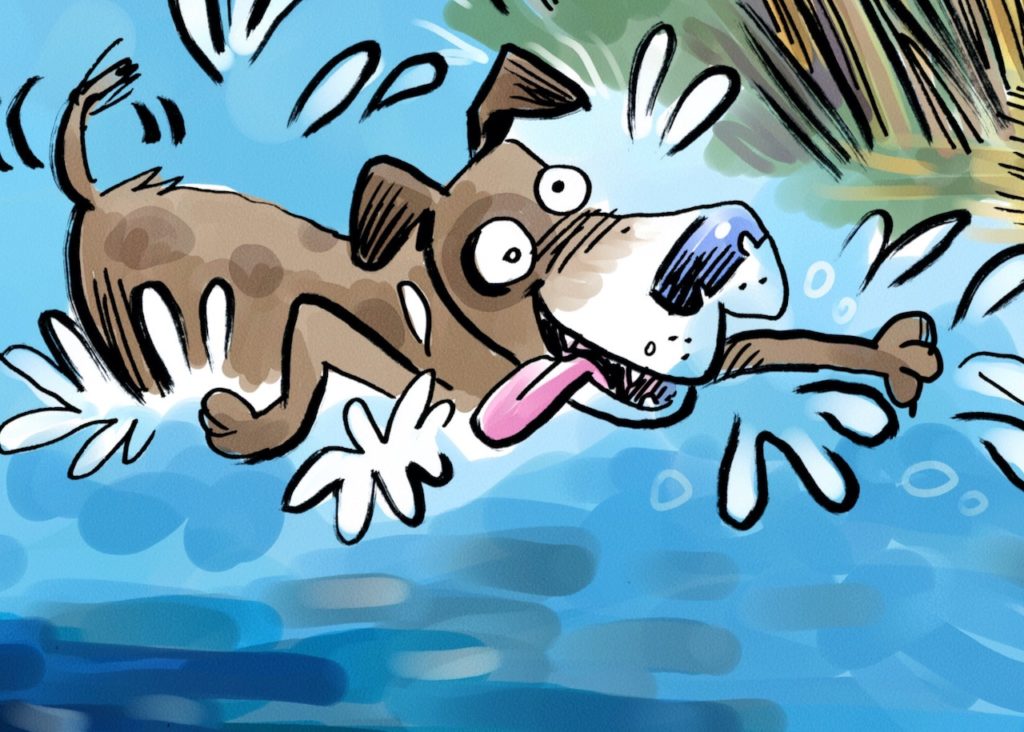
#9 DON’T CONTROL YOUR DOG
If your retriever won’t listen to commands or remain still when ducks are working the spread, the hunt will be a bust. I’ve seen many a good outing quickly turn bad when a dog runs erratically among the decoys or swims out of control through the blocks. If that happens, quickly restrain the dog in your blind or, if necessary, walk it back to your vehicle and put it in its kennel.
Advertisement
If it gets to that point, don’t get too down—all dogs have good and bad days. If your retriever is young, it simply needs some discipline. It’s best to spend time teaching it the routine during the off-season, however, not in the field during an actual hunt.
#10 USE A DIRTY GUN
During a hunt, dirt, mud or stubble can easily accumulate in your shotgun’s action. While this is especially true for semi-autos, I’ve also seen it happen with a dirty pump-action. Whatever the case, you can’t shoot ducks if your firearm is so dirty it jams or won’t cycle shells.
To prevent my shotgun from letting me down, I give it a quick cleaning after every outing. I’ve found that air compressors work great for blowing off dust and grit, allowing me to clean my gun without having to break it down every time. After every three or four hunts, though, I will strip down the gun and give it a more thorough cleaning, then lubricate the action and ensure it works smoothly.
Advertisement
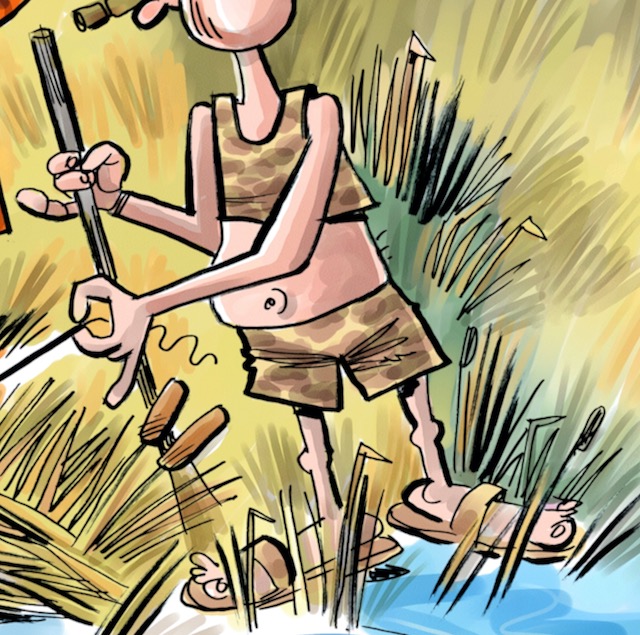
#11 DON’T DRESS FOR THE WEATHER
Some of the best duck hunts take place when it’s cold and the north wind is howling. But if you find yourself shivering on such a miserable day, the chances are good you’ll head home early and miss out on some great action. Even if you stay put, you may have trouble concentrating and making good decisions, or difficulty squeezing the trigger.
To avoid all that, make sure you head out with the proper clothing to match the weather. A wind- and waterproof insulated jacket and matching bibs are invaluable for keeping warm. To further ensure your comfort, dress in layers and wear a warm hat. The beauty of layers is that you can remove them so you don’t overheat when setting up decoys or running down cripples, then put them back on so you don’t get cold waiting for the ducks to swarm your decoys.
#12 SHOOT TOO SOON
Sky busting distant ducks only risks spooking or wounding them, so let incoming birds fly into lethal shooting range before squeezing the trigger. If the ducks fly by out of range, have confidence in your spread and calling abilities and let them make another swing or two.
Also read the birds as they work your spread so you don’t miss out on any potential shooting opportunities. If they swing into range and it looks like they’re not going to get any closer, for example, call the shot. If they’re in range and still working toward your landing zone, however, let them continue and enjoy the show before you shoot.
When setting up your spread, look for landmarks to help tell you gauge how far the birds are from your blind. Another good idea is to strategically place certain decoys as distance markers, telling you when the birds are within shooting range—and giving you the chance to limit out.