

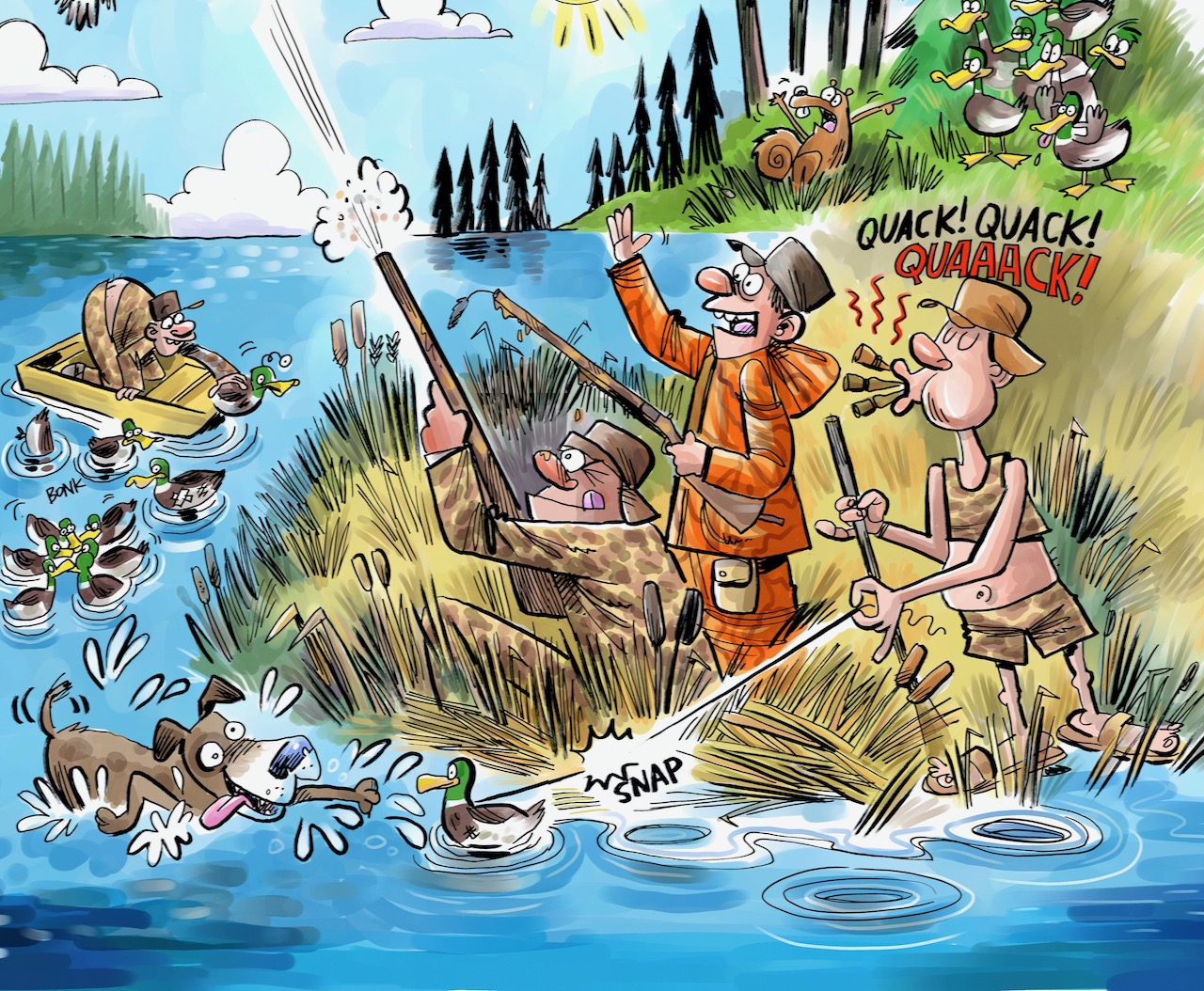

THE DIRTY DOZEN
12 common mistakes that can totally @#$%&! your duck hunt—and how to avoid them in the first place
Advertisement
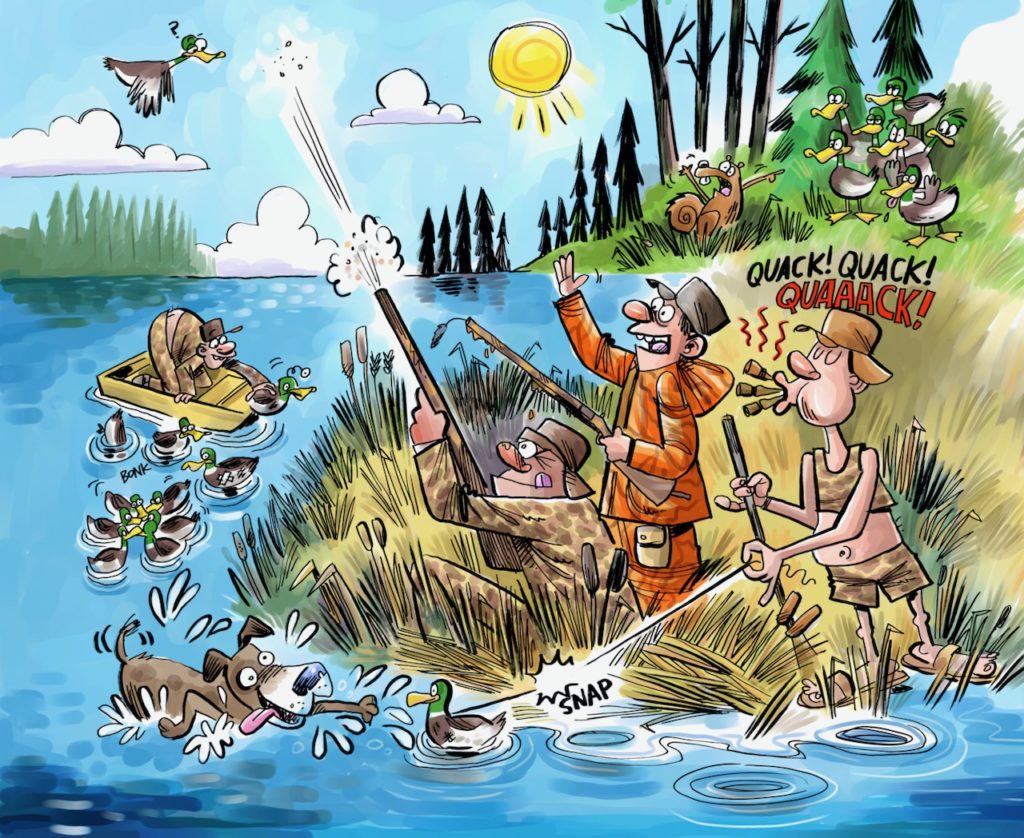
Over the years, I’ve been fortunate enough to hunt ducks across North America with some of the continent’s best waterfowlers, including outfitters, hunting TV hosts, call makers, decoy manufacturers and ammunition company reps. Having spent time afield with such hardcore waterfowlers—they earn their livings from hunting—I’ve come to realize it was often my own mistakes that spoiled some of my previous hunts, or at least made them less successful than they could have been.
Advertisement
Thankfully, I’ve also learned that most duck-hunting missteps can be easily fixed once they’re identified. Often, it’s just a matter of paying attention to the small details. To help save you some tough times afield, here are the 12 most common ways to screw up your duck hunt, complete with advice on making sure they don’t happen to you.
#1 ARRIVE LATE
Ducks will often be in the air and buzzing your decoys right at legal shooting time. Typically, the period from a half-hour before sunrise to shortly after sunrise will offer the best action. So, if you’re still setting up decoys or running a boat off the water or a vehicle off the field, you’re going to miss out on this action.
When figuring out what time to head out from your duck camp, remember that jobs such as hooking up a trailer, walking back to the spread after parking a vehicle or brushing blinds add time to your pre-hunt activities. And to make it easier to get out the door on time, start preparing the night before. Simple things such as setting an alarm clock, packing a snack, preparing the coffee maker, laying out your clothes, planning your route and putting your vehicle keys in a visible place can help make sure you’re not late.
Advertisement
#2 IGNORE WHAT THE BIRDS ARE DOING
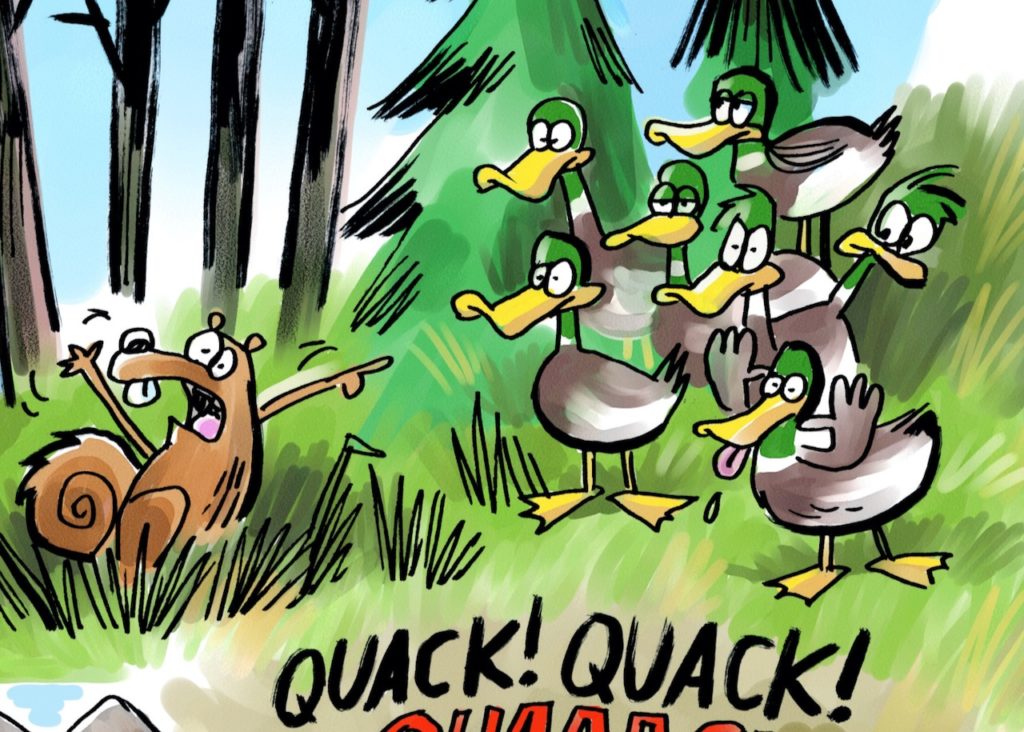
Generally, when ducks are relaxed and resting on a marsh, they will often spread out to loaf. When they’re nervous, however, they’ll often swim into a tight bunch to take flight in one big group if necessary. If they’re feeding in a dry field, on the other hand, ducks will be aggressive and congregate on the best feeding spot, spreading out only when the pickings are slim and they must search for food.
With all that in mind, it’s imperative to arrange your decoys in the same formation the birds were in when you saw them while scouting. If you create a scenario that otherwise resembles nervous or scared ducks, or suggests there isn’t a prime food source, the incoming birds will shun your spread, leaving you to wonder what went wrong.
#3 DON’T CREATE A LANDING ZONE
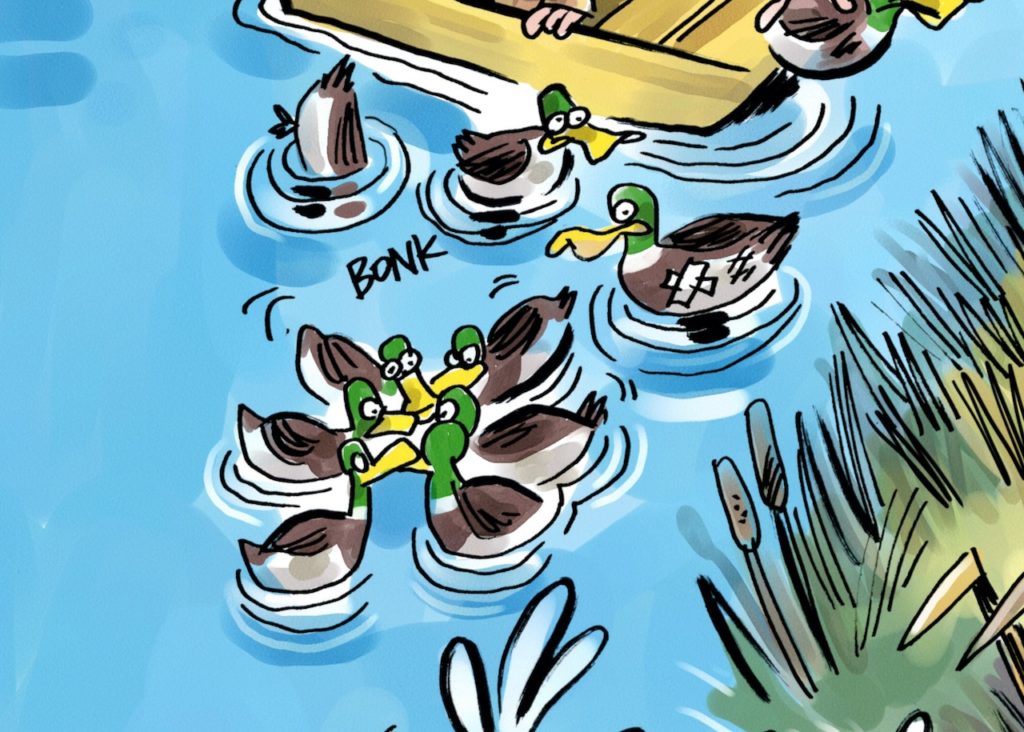
When you have guests over to your house for dinner, chances are you tell them where to park when they arrive. In a duck-hunting situation, think of the ducks as your guests and create an inviting landing zone for them among the decoys. If you don’t have a landing zone in your spread, the birds will either flare or slide off and land wide, short or to one side of your spread. If that happens, the shooting opportunities will be poor to non-existent.
When setting up your decoys, therefore, make a J- or V-shaped spread to ensure you leave an open hole for the birds to land in. Also make sure the landing zone is within close proximity to your blinds, allowing you to enjoy some close-range shooting opportunities.
#4 SET OUT UNREALISTIC DECOYS
Ducks are survivors. They have keen eyes and can pick apart a spread while approaching from a distance. So, if your decoys don’t look realistic because they’re dirty or damaged, or they shine in the sun, the birds will definitely flare. Only use your best decoys when hunting; if you have blocks that are broken or need paint, pull them from the spread or leave them at home until you’ve taken the time to refurbish them. It’s better to have a smaller spread of high-quality decoys than a larger spread with inferior imposters that will scare away the ducks.
Also take care when setting up and putting away your decoys to ensure they don’t get muddy or dirty. It’s also best to store them in slotted decoy bags to prevent them from grinding against each other and rubbing off paint, leaving behind shiny patches.